Pickling Liquid Recipe: Bracing & Tangy
A foundational liquid that uses a balanced ratio to ensure your vegetables stay bright and tangy, whether you are making onions, peppers, or cucumbers.
classic 1:1 ratio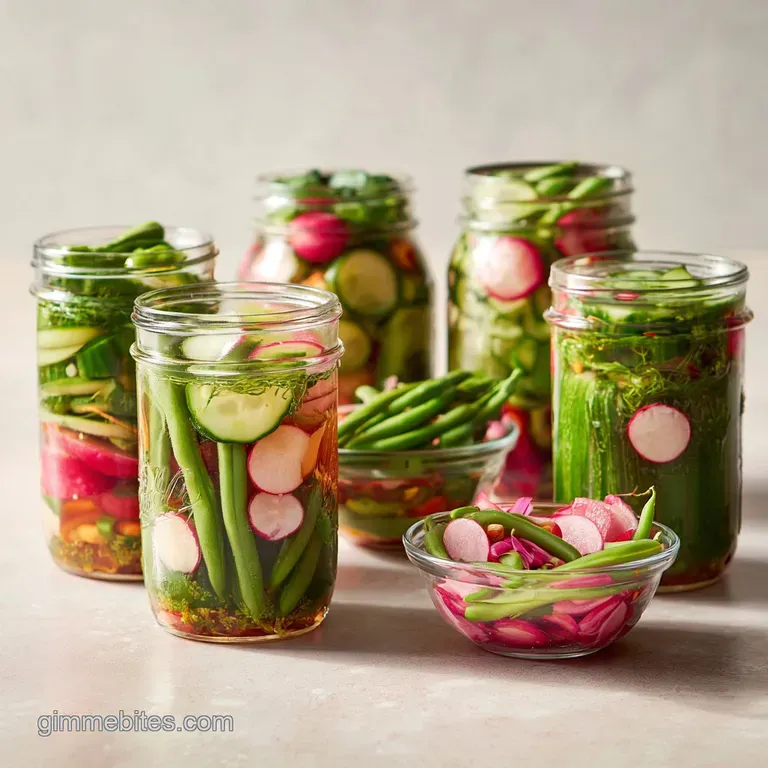
Pickling at home is a practical way to preserve the crunch of fresh vegetables while adding a bright, acidic punch to your meals. Whether you're filling jars for the pantry or whipping up a fast salsa for tonight's chips, these recipes focus on simple methods that don't require professional canning equipment.
This collection brings together everything from basic brining liquids to pickle-inspired side dishes. You'll find ways to use these techniques for traditional snacks, chunky appetizers, and even oven-baked vegetables that share that same savory-sweet appeal.
Starting with a reliable base is the first step to successful preservation. These recipes provide the foundational ratios needed to create a balanced brine that works for almost any garden-fresh vegetable you have on hand.
A foundational liquid that uses a balanced ratio to ensure your vegetables stay bright and tangy, whether you are making onions, peppers, or cucumbers.
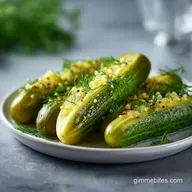
classic 1:1 ratioInspired by the refrigerated classic, this no-heat method focuses on maintaining a heavy crunch and deep dill flavor throughout a five-day cold brining period.
cold-brined copycatThese dishes take the flavors of a traditional pickle and apply them to faster formats like salsas and baked sides. They offer a quick way to get that signature tang on the table without waiting days for a jar to cure.
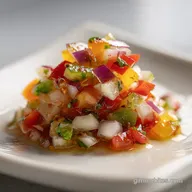
This fast salsa alternative uses diced pickles instead of tomatoes for a chunky texture that stays firm and crisp, making it a unique topping for tacos.
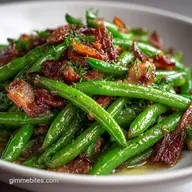
fast chunky salsaThese baked green beans offer a savory alternative to traditional vinegar-based pickles while keeping that signature snap people love as a dinner side pairing.
smoky bacon glaze| # | Recipes | Best For | Time | Difficulty | Texture | Primary Use |
|---|---|---|---|---|---|---|
| 1 | Pickling Liquid Recipe | general vegetable preservation | 10 min active / 30 min total | Easy | Liquid base | Foundational brine |
| 2 | Claussen Dill Pickle Recipe | refrigerator snacking | 25 min active / 5 day total | Easy | Crunchy | Whole or spear pickles |
| 3 | Pickle De Gallo Recipe | tacos and dipping | 10 min | Beginner | Chunky | Salsa or topping |
| 4 | Easy Crack Green Bean Recipe | weeknight dinner sides | 30 min | Beginner | Crispy | Cooked side dish |
Discover more curated recipe collections
Explore more recipe collections →