Spaghetti Seasoning Recipe: Budget-Friendly Blend
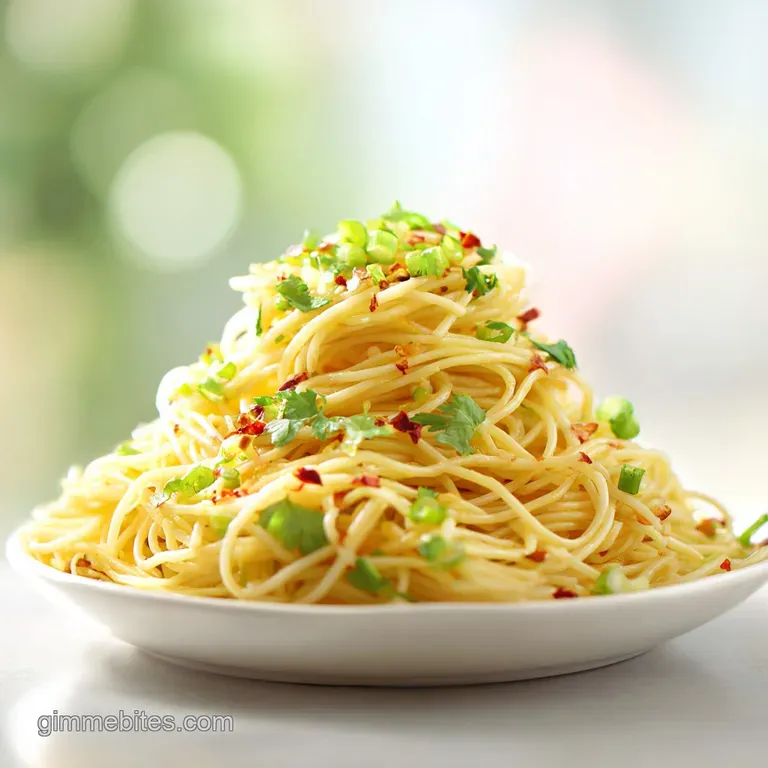
- Time: Active 5 minutes, Passive 0 minutes, Total 5 minutes
- Flavor/Texture Hook: Earthy herbs with a smoky, savory finish
- Perfect for: Batch cooking, budget meal prep, and busy weeknights
- Master This Hearty Spaghetti Seasoning Recipe
- Why This Hearty Spaghetti Seasoning Recipe Works Best
- Understanding Your Kitchen Prep Metrics
- Selecting Quality Spices for Better Results
- Simple Tools for Maximum Flavor Impact
- Step by Step Method for Success
- Fixing Flavor and Texture Errors Quickly
- Making Smart Dietary Ingredient Adjustments
- Keeping Your Herbs Fresh for Longer
- Hearty Side Dishes to Serve Tonight
- Myths About Dried Herb Blends
- Recipe FAQs
- 📝 Recipe Card
Master This Hearty Spaghetti Seasoning Recipe
I'll never forget the rainy Tuesday I realized I'd run out of those little silver seasoning packets. My kids were hungry, the pasta was already boiling, and I was staring at a very sad, very plain jar of tomato purée. I started rummaging through my spice cabinet, tossing things together by smell alone.
When that first pinch of fennel hit the hot oil and the aroma filled the kitchen, I knew I was onto something much better than anything I could buy at the store.
We’ve all been there, right? Settling for a "good enough" sauce because it's convenient. But the truth is, making your own spaghetti seasoning recipe is actually faster than a trip to the supermarket, and it costs pennies. Plus, you get to control the salt.
Honestly, once you smell the pungency of freshly crushed rosemary and the sweet heat of smoked paprika hitting your pan, you'll never go back to the pre mixed stuff. It's reliable, it's hearty, and it’s the kind of cooking that feels like a hug.
This mix isn't just about herbs, though. It’s about creating layers of flavor that stick to your ribs. We’re using a few smart tricks, like nutritional yeast for a savory depth and a hint of crushed fennel for that authentic Italian sausage vibe without the expensive meat.
Let’s get your pantry working harder for you.
Why This Hearty Spaghetti Seasoning Recipe Works Best
The Volatile Oil Release: Crushing dried herbs like rosemary and fennel seeds right before mixing breaks the cell walls, releasing trapped aromatic oils for a more intense scent.
The Umami Bridge: Nutritional yeast acts as a natural flavor enhancer, providing a savory, "meaty" backbone that bridges the gap between acidic tomatoes and earthy herbs.
The Hygroscopic Balance: Using powders instead of fresh aromatics prevents excess moisture from thinning out your sauce, ensuring it remains thick and clings to every strand of pasta.
Since we are focusing on keeping things budget friendly while maintaining high-quality, it is important to know where to spend and where to save. Sometimes you don't need the most expensive imported herbs to get a result that tastes like a million bucks.
| Premium Ingredient | Budget Alternative | Flavor Impact | Savings |
|---|---|---|---|
| Saffron Threads | Smoked Paprika | Adds earthiness instead of floral notes. Note: Changes color to deep red | Save $15-20 |
| Whole Fennel Pollen | Crushed Fennel Seeds | Very similar licorice like aroma. | Save $12 |
| Aged Parmesan Powder | Nutritional Yeast | Adds that same nutty, savory "bite" without the dairy cost. | Save $5 |
Choosing the right alternatives ensures your pantry stays stocked without breaking your grocery budget. I've found that these swaps actually make the dish feel more reliable for a Tuesday night dinner.
Understanding Your Kitchen Prep Metrics
When we talk about a reliable spaghetti seasoning recipe, precision matters for the first few tries until you find your "soul" ratio. I like to use a small digital scale for my herbs because things like dried parsley are so light they barely register in a tablespoon.
If you're using spoons, just make sure they're level.
1. The Surface Area Science
The smaller the particle, the faster the flavor moves into your sauce. If your rosemary needles are too big, they feel like little sticks in your mouth. Crushing them increases the surface area, allowing the oils to emulsify with the fat in your sauce almost instantly.
2. The Umami Fennel Connection
Fennel is the "secret" of this spaghetti seasoning recipe. It provides that classic aroma we associate with high end Italian restaurants. When combined with the savory notes of the nutritional yeast, it creates a complex profile that tastes like it has been simmering for hours, even if you only have twenty minutes.
3. Controlled Hydration
Using dried ingredients is actually a strategic choice here. Fresh herbs contain a lot of water. By using this dried spaghetti seasoning recipe, you aren't diluting your tomato base.
Instead, the dried herbs "drink" a little of the tomato juice, rehydrating inside the sauce and locking the flavor into the liquid.
Selecting Quality Spices for Better Results
You probably already have most of this in your cupboard. If your spices have been sitting there since the last eclipse, give them a sniff. If they don't smell like anything, they won't taste like anything either.
- 3 tbsp Dried Oregano (4g): The backbone of any Italian blend. Why this? Provides that characteristic pungent, earthy aroma that defines red sauce.
- 2 tbsp Dried Basil (3g): Adds a subtle sweetness. Why this? Balances the acidity of the tomatoes without needing extra sugar.
- 1 tbsp Dried Parsley (1.5g): Mostly for color and a "grassy" freshness.
- 1 tsp Dried Rosemary, crushed (0.5g): Essential for a "stick to your ribs" woodsy flavor.
- 1 tsp Dried Thyme (0.5g): A floral note that rounds out the oregano.
- 2 tbsp Garlic Powder (18g): For a consistent, savory bite.
- 1 tbsp Onion Powder (9g): Adds a cooked onion sweetness.
- 1 tsp Smoked Paprika (3g): My favorite trick for a hint of "simmered all day" depth.
- 1 tbsp Red Pepper Flakes (6g): For a gentle, warming heat.
- 1 tsp Crushed Fennel Seeds (2g): This is what makes it taste "authentic."
- 1 tsp Ground Black Pepper (2g): For a sharp, biting finish.
- 1 tbsp Nutritional Yeast (15g): The secret to a velvety, savory sauce.
If you really want to lean into that garlic flavor, my Confit Garlic Recipe is a great addition to the pan before you add this dry mix.
| Ingredient | Science Role | Pro Secret | ||||
|---|---|---|---|---|---|---|
| Smoked Paprika | Fat soluble color/flavor | Add to the oil for 30 seconds before liquid to "bloom" the color. | ||||
| Nutritional Yeast | Flavor Enhancer | Acts as a natural source of glutamates, which trigger savory taste buds. | ||||
| Red Pepper Flakes | Capsicin Release | The longer they sit in the jar, the more they infuse the other herbs with mild heat. | Original Ingredient | Substitute | Why It Works | |
| --------------------- | ------------ | -------------- | ||||
| Dried Oregano | Dried Marjoram | Very similar family. Note: Marjoram is slightly sweeter and less spicy. | ||||
| Garlic Powder | Granulated Garlic | Same flavor, different texture. Note: Use 1.5x the amount for granulated. | ||||
| Red Pepper Flakes | Cayenne Pepper | Both provide heat. Note: Cayenne is much stronger; use only 1/4 tsp. |
Simple Tools for Maximum Flavor Impact
You don't need fancy gadgets for a spaghetti seasoning recipe, but a couple of basic items make the job much easier. I usually just use a clean glass jar, but if you want that professional aroma, a mortar and pestle is your best friend.
- Small Glass Jar: For mixing and long term storage. Make sure it has a tight fitting lid.
- Mortar and Pestle: Highly recommended for the fennel and rosemary. It's better than a grinder because it crushes rather than cuts.
- Measuring Spoons: To keep the ratios consistent every time you make a batch.
- Funnel: If you're transferring the blend into a narrow necked spice jar.
Chef's Tip: Freeze your dried rosemary for 10 minutes before crushing. It makes the needles brittle so they shatter into a fine powder instead of staying as chewy bits.
step-by-step Method for Success
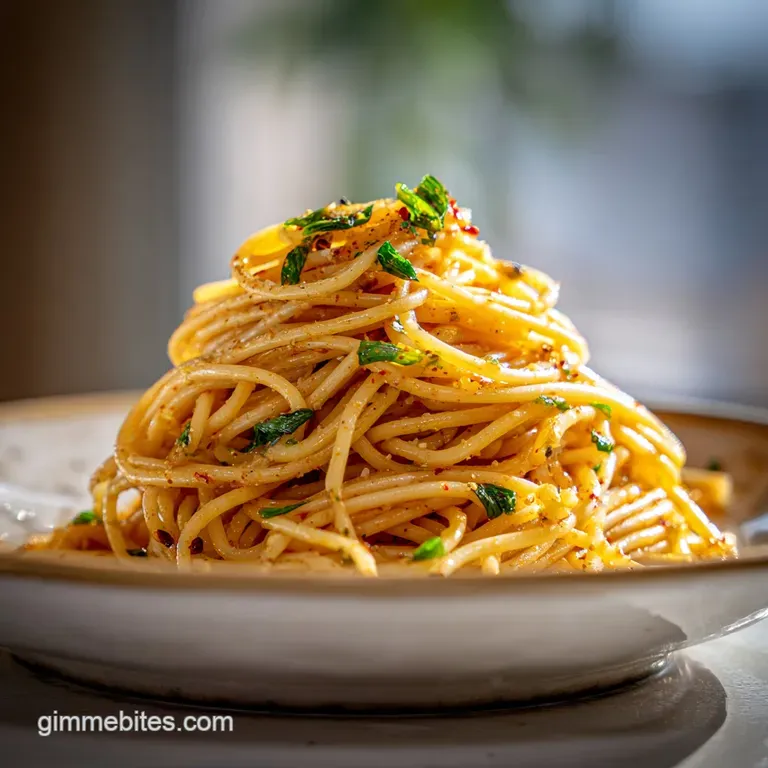
- Clean your workspace. Ensure all your bowls and jars are bone dry. Note: Any moisture will cause the garlic and onion powder to clump into hard rocks.
- Measure the base. Add 3 tbsp (4g) dried oregano and 2 tbsp (3g) dried basil to a small mixing bowl.
- Crush the aromatics. Place 1 tsp (0.5g) rosemary and 1 tsp (2g) fennel seeds in your mortar. Grind until the fennel seeds have split and the rosemary looks like coarse sand.
- Combine powders. Whisk in 2 tbsp (18g) garlic powder, 1 tbsp (9g) onion powder, and 1 tbsp (15g) nutritional yeast.
- Add the highlights. Stir in 1 tbsp (6g) red pepper flakes and 1 tsp (3g) smoked paprika. Wait until the color is a uniform, speckled red orange.
- Season and finish. Add 1 tsp (2g) black pepper and 1 tbsp (1.5g) dried parsley.
- Whisk thoroughly. Use a fork or small whisk to break up any lumps in the onion powder.
- Transfer to storage. Pour the mixture into your glass jar. Check that the lid is sealed tight to keep the humidity out.
- Label and date. Trust me, you think you'll remember what it is, but three months from now, it’ll just look like "green dust."
This sauce is hearty enough to stand up against a French Couscous Recipe if you want a change from pasta.
Fixing Flavor and Texture Errors Quickly
Even with a simple spaghetti seasoning recipe, things can go sideways. If your spice cabinet is near the stove, the steam can get into your jars and ruin the texture.
Why Your Seasoning Clumps
If you find hard lumps in your jar, it's usually because of the onion powder. Onion powder is like a sponge for humidity. If this happens, don't throw it out! You can usually break the lumps with a butter knife. To prevent it, throw a few grains of dry rice into the jar to act as a natural moisture absorber.
Muted or Dusty Flavors
If you cook your sauce and it tastes "old" or dusty, your herbs might be past their prime. You can revive them by "blooming" the seasoning in a little bit of warm olive oil for about 60 seconds before you add your tomatoes. The heat wakes up those dormant oils and makes them sizzle.
| Problem | Root Cause | Solution |
|---|---|---|
| Bitter aftertaste | Burned herbs | Add seasoning only after the liquid is in the pan, or bloom very briefly. |
| Gritty texture | Whole rosemary | Crush the rosemary needles into a fine powder before mixing. |
| Too much heat | Red pepper flakes | Add a pinch of sugar or a splash of heavy cream to the finished sauce. |
Common Mistakes Checklist
- ✓ Ensure all measuring spoons are completely dry before dipping into spice jars.
- ✓ Don't store your finished mix directly above the stove where heat and steam rise.
- ✓ Always crush the fennel; whole seeds can be an unpleasant "pop" of flavor for some.
- ✓ Shake the jar before every use, as heavier powders like garlic will settle at the bottom.
- ✓ Check the "best by" dates on your individual ingredients before blending.
Making Smart Dietary Ingredient Adjustments
One of the best things about making your own spaghetti seasoning recipe is that you can cater to everyone at the table. If you're watching your salt, this is a lifesaver because most store packets are about 40% salt.
- Sodium Free Foundation: This recipe as written has no added salt! You can add salt to your specific sauce to taste, or add 1 tbsp of Kosher salt to this mix if you want an all in-one blend.
- Low FODMAP Variation: Replace the garlic and onion powders with an extra tablespoon of dried chives and a pinch of asafoetida (hing) for that savory punch without the digestive issues.
- Extra "Stick to Your Ribs" Depth: If you aren't vegan, you can replace the nutritional yeast with 2 tbsp of very finely grated, dried Parmesan cheese.
Scaling Your Batch
- To Double (12 servings): Simply multiply all ingredients by 2. Keep the red pepper flakes at 1.5x if you are sensitive to spice, as it can build up quickly.
- To Half (3 servings): Use 1.5 tbsp oregano and 1 tbsp basil. For smaller measurements like the 1 tsp rosemary, just use a "generous pinch."
- For Large Families: I usually make a quadruple batch. It fits perfectly in a standard 8oz mason jar and lasts my family of five about two months.
Keeping Your Herbs Fresh for Longer
Storage is the difference between a spaghetti seasoning recipe that tastes like Italy and one that tastes like cardboard. Heat, light, and air are the enemies of flavor.
Storage: Keep your mix in a cool, dark place (like a pantry cabinet, not on the counter). It will stay vibrant for about 6 months. After that, the colors will fade and the smell will become faint.
Freezing: You actually can freeze dried herb blends! If you make a massive batch, keep a small jar in the pantry and the rest in an airtight bag in the freezer. It prevents the oils from oxidizing.
Zero Waste Tip: Don't throw away the "dust" at the bottom of your empty spice jars. Throw those last bits into this blend! Also, if you have Parmesan rinds, keep them in the freezer and drop one into your sauce along with this seasoning for a velvety, salty finish.
Hearty Side Dishes to Serve Tonight
Once you've got your sauce simmering with this spaghetti seasoning recipe, you need something to soak up all that goodness. A thick slice of crusty bread is the classic choice, but I like to get a bit more creative.
I often serve this with a big bowl of roasted vegetables or even use the seasoning to flavor some Butter Toffee Pretzels recipe — well, maybe not the pretzels for dinner, but the seasoning works surprisingly well on roasted nuts for a snack!
- Garlic Bread: Use a teaspoon of this seasoning mixed with softened butter for an instant herb butter.
- Roasted Broccoli: Toss florets in olive oil and a tablespoon of this mix before roasting at 200°C.
- Fresh Salad: A simple vinaigrette of olive oil, red wine vinegar, and a pinch of this seasoning is all you need.
| Method | Time | Texture | Best For |
|---|---|---|---|
| Stovetop Simmer | 20 mins | Thick and cohesive | Standard weeknight dinner |
| Slow Cooker | 6 hours | Deep, melded flavors | Tougher meat sauces |
| Pressure Cooker | 10 mins | Bright and punchy | Last minute meals |
Myths About Dried Herb Blends
Many people think that fresh is always better. While fresh basil is lovely as a garnish, dried herbs are actually superior for long simmered sauces. The drying process concentrates the flavors, and the heat of the cooking "unlocks" them in a way that fresh herbs can't match.
Another common myth is that "Italian Seasoning" and "Spaghetti Seasoning" are the same thing. Usually, Italian seasoning is just herbs. This spaghetti seasoning recipe includes aromatics like garlic, onion, and fennel, making it a complete flavor profile rather than just a floral addition.
It’s the difference between a garnish and a foundation.
Trust me, once you start keeping a jar of this on your counter, you'll find yourself putting it on everything from avocado toast to roasted chicken. It’s reliable, it’s cheap, and it makes your house smell like a home. Let’s get cooking!
Recipe FAQs
What spices are good for spaghetti?
Oregano, basil, rosemary, and fennel seeds are essential. These form the earthy and slightly sweet backbone of a classic sauce. Crush the rosemary and fennel slightly to release maximum volatile oils during cooking.
What seasoning goes best on spaghetti?
A blend containing smoked paprika and nutritional yeast provides the best flavor. Paprika adds depth and color, while nutritional yeast delivers a savory umami that mimics long simmered meats.
What to add to spaghetti for more flavor?
Bloom your dried spices in warm olive oil before adding tomatoes. Heating the spices in fat transfers their oil-soluble flavor compounds into the sauce base immediately. This technique is similar to how we enhance aromatics when making our Crawfish Tail Recipe.
What are the 4 ingredients in pasta sauce?
Tomatoes, garlic, onion, and herbs are the foundational four ingredients. While simple, you must ensure the garlic and onion are properly cooked or powdered for flavor integration.
Is it necessary to use salt in my homemade spaghetti seasoning blend?
No, it is highly recommended to skip the salt in the blend itself. This allows you to control the exact sodium level when you finish the sauce, preventing over salting across different batches.
How to make my spaghetti sauce taste less acidic?
Add a small pinch of sugar or a half teaspoon of baking soda for balance. These ingredients neutralize harsh acidity, creating a smoother mouthfeel. If you're focused on texture too, check out our recipe for crack to see how small additions create huge texture changes.
Should I crush dried herbs or leave them whole for spaghetti seasoning?
Crush dried herbs like rosemary and fennel seeds into a fine powder. Whole, dried leaves increase the risk of a gritty texture in the final sauce, as they don't rehydrate uniformly.
Spaghetti Seasoning Recipe Mix
Ingredients:
Instructions:
Nutrition Facts:
| Calories | 35 kcal |
|---|---|
| Protein | 2.2 g |
| Fat | 0.6 g |
| Carbs | 6.8 g |
| Fiber | 2.1 g |
| Sugar | 0.9 g |
| Sodium | 9 mg |
