Sweet Potato Recipe for Infants: Purees and Finger Foods
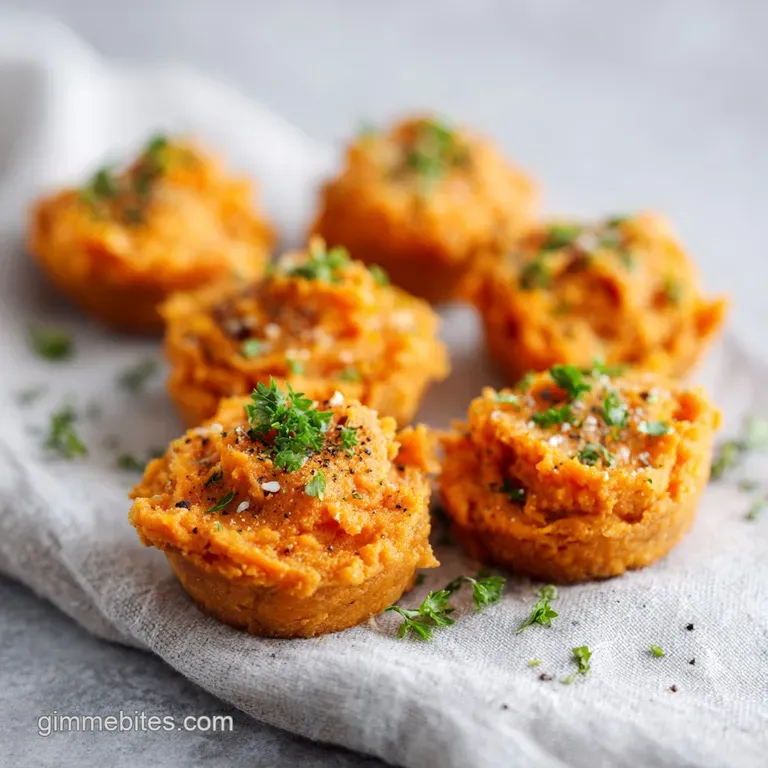
- Time: Active 10 minutes, Passive 35 minutes, Total 45 minutes
- Flavor/Texture Hook: Silky, naturally sweet puree and tender, easy to grip wedges
- Perfect for: Early weaning stages, meal prepping for the week, and family-friendly side dishes
- Crafting a Nutritious Sweet Potato Recipe for Infants
- Transforming Humble Tubers into Velvety First Foods
- The Hidden Science of Roasting versus Boiling
- Critical Timing and Temperature for Success
- Choosing the Elements for Your Sweet Potato Recipe
- Essential Tools for a Smooth Prep Flow
- Executing the Recipe with Precision
- Solving Common Roasting and Pureeing Issues
- Adjusting the Batch for Your Family Needs
- Debunking Common Infant Feeding Beliefs
- Storage Guidelines and Sustainable Kitchen Habits
- Mastering the Art of Baby Friendly Presentation
- Recipe FAQs
- 📝 Recipe Card
Crafting a Nutritious Sweet Potato Recipe for Infants
Forget everything you have heard about needing those expensive, counter hogging baby food steam and blend machines. There is a common myth floating around the parenting world that "gentle steaming" is the only way to preserve nutrients and create the right texture for a first food. Honestly, it is just not true.
Steaming often leads to a watery, bland mush that lacks the depth of flavor needed to actually get a little one excited about eating. When I first started making food for my kids, I followed the steaming "rules" and ended up with a kitchen that smelled like soggy cardboard.
The real secret to a successful sweet potato recipe for infants is roasting. When you slide those trays into a hot oven, something magical happens. The high heat coaxes out the natural sugars, creating a flavor profile that is deeply comforting and rich. It is a total game changer for picky eaters.
Instead of a flat, one note flavor, you get a concentrated, velvety sweetness that pairs perfectly with the healthy fats we're going to add. Plus, roasting allows you to cook for the whole family at once - no separate "baby only" gadgets required.
We are going to take 500g of sweet potatoes and turn them into a week's worth of nutrition. We're talking about a prep flow that takes just 10 minutes of hands on time. While the oven does the heavy lifting for 35 minutes, you can actually sit down and have a cup of coffee.
We are aiming for that fork tender consistency that yields under the slightest pressure, ensuring it is safe for tiny gums while still being interesting enough for a toddler to gnaw on.
Transforming Humble Tubers into Velvety First Foods
This is more than just a simple mash; it is a foundational recipe that grows with your child. The beauty of this specific sweet potato recipe for infants lies in its versatility. We are splitting our 500g of potatoes into two different paths.
One half gets peeled and cubed, destined for a high speed blender where it becomes a silky, spoonable cloud. The other half keeps its skin, providing the structural integrity needed for "finger food" wedges that won't just disintegrate when a determined six month old squeezes them.
When those cubes come out of the oven, they should have a slight sizzle and a hint of golden caramelization on the edges. That color isn't just for looks; it represents flavor development that you simply cannot get from boiling. The puree isn't just a liquid y mess, either.
By using breastmilk, formula, or even just warm water, we control the viscosity. For a brand new eater, we want it thin and runny. As they get older, we leave it a bit thicker, helping them practice those important swallowing muscles.
The wedges are the real stars of the baby led weaning world. They are cut to be roughly the size of an adult index finger, which is the ergonomic gold standard for babies who haven't quite mastered the pincer grasp yet.
They use their whole palm to scoop it up, and the tender interior provides a satisfying, mushy experience that is low stress for parents. It is hearty, it is reliable, and it is a stick to your ribs kind of meal that helps everyone sleep a little better.
The Hidden Science of Roasting versus Boiling
Most people assume boiling is "safer" for babies because it makes things soft. However, boiling actually leaches out water soluble vitamins, specifically those B vitamins and Vitamin C, into the cooking water. Unless you are planning on having your infant drink the potato water, those nutrients are gone.
Roasting keeps the nutrients locked inside the tuber, concentrated and ready for absorption.
Maillard Reaction: At 400°F (200°C), the amino acids and reducing sugars in the potato react to create new flavor compounds. This makes the potato taste "roasted" rather than just "cooked," which helps develop a baby’s palate for complex flavors early on.
Lipid Synergy: Sweet potatoes are packed with Vitamin A (as beta carotene), which is fat soluble. By tossing the potatoes in avocado oil and drizzling with olive oil, we are literally unlocking the nutrients so the baby's body can actually use them.
Without the fat, much of that Vitamin A just passes right through.
Starch Gelatinization: The 35 minutes of dry heat breaks down the complex starches into simpler sugars. This makes the potato much easier for an infant’s developing digestive system to handle, reducing the chance of gas or tummy upset.
| Method | Cook Time | Texture Outcome | Flavor Profile |
|---|---|---|---|
| Roasting (Oven) | 35 minutes | Velvety and dense | Deep, caramelized sweetness |
| Steaming | 15 minutes | Watery and soft | Mild, bland, and diluted |
| Boiling | 20 minutes | Mushy and limp | Often tastes washed out |
Roasting at 400°F (200°C) provides a consistent heat that ensures the center of the wedge is as soft as the outside. This uniformity is crucial for safety, as you don't want any "al dente" surprises in the middle of a finger food wedge.
The dry heat also helps create a very thin "skin" on the outside of the wedge not a crust, but just enough tension so it doesn't fall apart when gripped.
Critical Timing and Temperature for Success
When you are cooking for an infant, precision matters more for safety than for gourmet flair. We are looking for three specific checkpoints during this 45 minute process. First, the oven must be at a true 400°F (200°C) before the tray goes in.
A cold start will result in soggy potatoes that stick to the parchment. Second, the 35 minute cook time is the "sweet spot" where the fibers fully soften without the sugars burning.
Finally, the internal texture must be "fork tender," meaning a fork should slide through the thickest part of a wedge with zero resistance.
| Component | Role in Recipe | Pro Secret |
|---|---|---|
| Avocado Oil | over High heat fat source | Choose refined avocado oil for a neutral taste that won't overwhelm the potato. |
| Sweet Potato | Main carbohydrate | Use "Jewel" or "Garnet" varieties; they have the highest moisture content for pureeing. |
| Extra Virgin Olive Oil | Flavor and absorption | Add this after roasting to preserve the delicate polyphenols and healthy fats. |
| Breastmilk/Formula | Liquid base | Use milk to add familiar flavor, which helps the baby accept the new food more easily. |
Using warm liquid for the puree stage is a small trick that makes a huge difference. If you add cold milk to hot roasted potatoes, the starch can sometimes seize up and become gummy. By matching the temperature of the liquid to the potatoes, you ensure a velvety, consistent blend every single time.
It's the difference between a puree that looks like glue and one that looks like a professional mousse.
Choosing the Elements for Your Sweet Potato Recipe
To make this sweet potato recipe for infants, you don't need a massive grocery list. We are focusing on high-quality, whole ingredients that provide the most "bang for your buck" nutritionally.
Stick to the 500g measurement usually two medium potatoes as this fits perfectly on a standard rimmed baking sheet without overcrowding.
- 500g medium sweet potatoes: Look for firm ones without soft spots or sprouts. Why this? They provide a consistent ratio of starch to moisture for pureeing.
- 1 tbsp avocado oil: This is our high smoke point hero. Why this? It stays stable at 400°F and provides healthy monounsaturated fats.
- 3 tbsp warm water, breastmilk, or formula: Your liquid of choice. Why this? Adjusts the puree to a safe, age appropriate consistency.
- 1 tsp extra virgin olive oil: The finishing touch. Why this? Adds a punch of antioxidants and healthy fats post roast.
- 1 pinch ground cinnamon (optional): For a flavor boost. Why this? Introduces warm spices early to encourage a diverse palate.
If you find yourself out of avocado oil, you can use melted coconut oil, though it will add a slight tropical note. For another great starter meal, you might also enjoy my sweet potato apple puree which uses a similar roasting technique but adds a tart sweetness that babies often adore.
Essential Tools for a Smooth Prep Flow
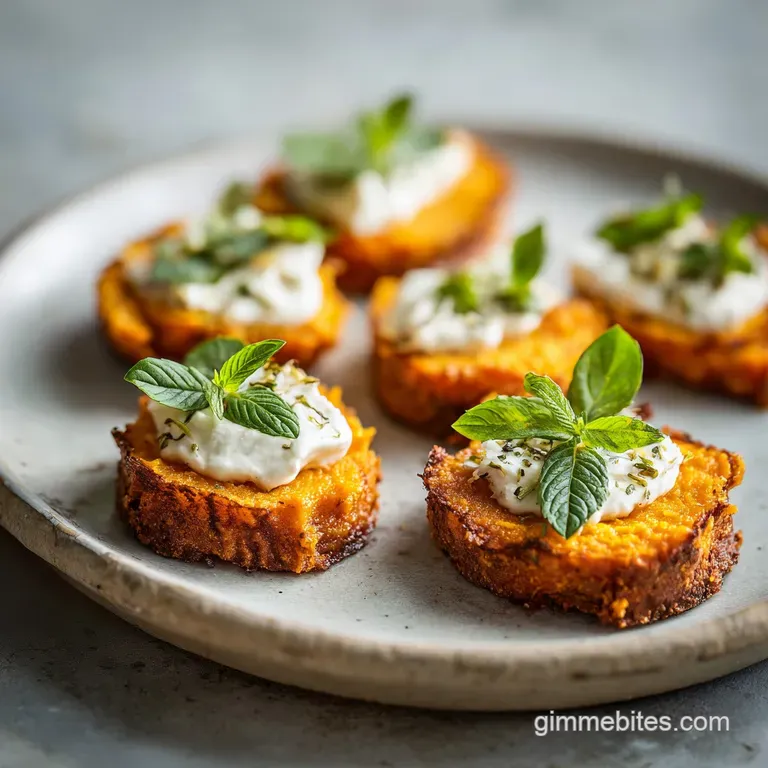
You don't need a fancy baby food maker, but a few basics will make your life much easier. A heavy, rimmed baking sheet is non negotiable. It distributes heat evenly and prevents any oil from dripping onto the bottom of your oven.
I highly recommend lining it with parchment paper; not only does this make cleanup a breeze, but it also prevents the potatoes from sticking and tearing when you try to flip them.
For the puree, a high speed blender (like a Vitamix or NutriBullet) is the gold standard for achieving that "silky" texture. If you don't have one, a standard food processor will work, though the puree might have a slightly grainier texture.
If you are doing a very small batch, even a simple immersion blender in a tall jar can get the job done. For the wedges, a sharp chef's knife is essential for getting those clean, "index finger" cuts that are safe for self feeding.
Executing the Recipe with Precision
- Preheat your oven to 400°F (200°C) and line a rimmed baking sheet with parchment paper. Note: This prevents the potatoes from sticking and ensures even browning.
- Scrub the sweet potatoes thoroughly under cold running water. Note: Use a vegetable brush if you have one to remove all dirt from the skins.
- Peel one potato completely using a Y peeler, while leaving the skin on the second potato.
- Cut the peeled potato into uniform 1 inch cubes. Note: Uniformity ensures they all finish cooking at the exact same time.
- Slice the unpeeled potato into long, thick wedges about the size of an adult index finger.
- Toss the cubes and wedges with 1 tablespoon of avocado oil on the baking sheet until every surface is glistening.
- Roast for 35 minutes until the potatoes are fork tender and the edges are slightly caramelized.
- Blend the roasted cubes in a high speed blender with 3 tablespoons of warm liquid and optional cinnamon until the mixture is velvety and smooth.
- Drizzle the roasted wedges with 1 teaspoon of extra virgin olive oil while they are still warm.
- Cool everything to room temperature until the potatoes are safe to touch with the inside of your wrist before serving.
Chef's Note: If the puree seems too thick or "gloopy," add one extra tablespoon of liquid at a time while the blender is running. The starch content in sweet potatoes can vary by season, so you might need a tiny bit more liquid in the winter months when the tubers are starchier.
Solving Common Roasting and Pureeing Issues
One of the biggest frustrations parents face with a sweet potato recipe for infants is the "sticky" factor. If the puree turns out more like glue than silk, it's usually a temperature or over blending issue.
Sweet potatoes are full of starch, and if you blend them too long or with liquid that is too cold, those starches break down into a gummy mess. The key is a short, high speed burst rather than a long, slow grind.
Why Your Wedges Are Too Soft
If your finger food wedges are collapsing before they even reach the baby's mouth, you might have cut them too thin or used too much oil. The "index finger" rule is vital. If they are too skinny, they turn into mush. If they are too oily, they become slippery and impossible for a baby to grip.
| Problem | Root Cause | Solution |
|---|---|---|
| Gummy Puree | Over blending the starch | Blend in short 15 second bursts with warm liquid. |
| Slippery Wedges | Too much oil post roast | Use a paper towel to blot excess oil before serving. |
| Hard Centers | Oven wasn't preheated | Ensure the oven is at 400°F before the tray goes in. |
Common Mistakes Checklist
- ✓ Never crowd the pan; leave space between wedges so they roast rather than steam.
- ✓ Don't skip the parchment paper, or the sugars will glue the potato to the metal.
- ✓ Avoid peeling the finger food wedges; the skin provides the structural "handle" for the baby.
- ✓ Always test the temperature of the puree on your own lip before offering it to the baby.
- ✓ Use warm liquid for blending to keep the starches relaxed and silky.
Adjusting the Batch for Your Family Needs
If you find that your baby is a sweet potato fanatic, you might want to scale this recipe up. Doubling the batch is easy just use 1kg of potatoes and a second baking sheet. However, when scaling up, don't just double the salt or spices.
For babies, we keep the spices very low anyway, but for a 2x batch, I usually stick to 1.5x the cinnamon to keep it from becoming bitter.
When scaling down for a single "trial" meal, use just one small potato (about 250g). You will need to reduce the roasting time by about 5-8 minutes, as a less crowded pan allows the heat to circulate more quickly. For a 4x batch (ideal for freezing a month's worth of food), work in batches.
Don't try to cram 2kg of potatoes onto one tray, or they will just steam and become soggy.
| Servings | Potato Weight | Oil Amount | Pan Size |
|---|---|---|---|
| 4-5 (Small) | 250g | 1/2 tbsp | Small Toaster Pan |
| 9 (Standard) | 500g | 1 tbsp | 13x18 Rimmed Sheet |
| 18 (Bulk) | 1kg | 2 tbsp | Two 13x18 Sheets |
Debunking Common Infant Feeding Beliefs
Myth 1: You must remove all skins for safety. Actually, for older infants practicing baby led weaning, the skin on a roasted wedge acts as a "grip" that prevents the potato from sliding out of their hand. As long as it is roasted until very soft, the skin is perfectly safe and adds a boost of fiber.
Just ensure it isn't "crispy" or sharp.
Myth 2: Sweet potatoes should be the very first food. While they are a fantastic option, there is no set order. Some people worry that the sweetness of the potato will make babies reject vegetables like broccoli later.
In reality, babies are born with a preference for sweet things (like breastmilk), and exposing them to complex roasted flavors early on actually helps broaden their palate.
Storage Guidelines and Sustainable Kitchen Habits
Once you have finished your sweet potato recipe for infants, you'll likely have plenty of leftovers. The puree stays fresh in the fridge for up to 3 days in an airtight container. For longer storage, I love using silicone ice cube trays.
Spoon the puree into the slots, freeze until solid, and then pop the "food cubes" into a freezer bag. They stay good for up to 3 months. When you're ready to serve, just thaw one or two cubes in the fridge overnight.
If you have extra wedges, they can also be frozen, though they do lose some of their structural integrity upon thawing. I usually chop up any leftover "adult" wedges and toss them into a breakfast hash for myself. Don't throw away the peels from the potato you did peel!
Toss those with a little oil and salt and roast them at the same time for a "chef's snack" for you. They turn into rustic chips that are incredibly satisfying.
For another easy meal prep option, you should check out these banana oat baby muffins, which are also freezer friendly and perfect for busy mornings when you don't have time to roast a fresh batch of tubers.
Mastering the Art of Baby Friendly Presentation
How you serve this sweet potato recipe for infants matters as much as how you cook it. For the puree, use a small, soft tipped spoon. Offer a "pre loaded" spoon by dipping it in the puree and setting it on the tray for the baby to pick up. This encourages independence and helps them develop motor skills.
If they are just starting, a very thin layer on the spoon is less overwhelming.
For the wedges, place them directly on the high chair tray. Avoid piling them up; just two or three at a time is plenty. If your baby is around 9 or 10 months old and has developed a pincer grasp (using the thumb and forefinger), you can cut the wedges into smaller, bite sized "chickpea" shapes.
This challenges them to pick up smaller objects and keeps mealtime engaging.
Remember, the goal isn't just to get the calories in it is to let them explore. Let them squish the potato between their fingers, smear it on the tray, and experience the velvety texture. It's messy, yes, but it is all part of the learning process.
A hearty, reliable sweet potato is the perfect partner for this messy, wonderful journey.
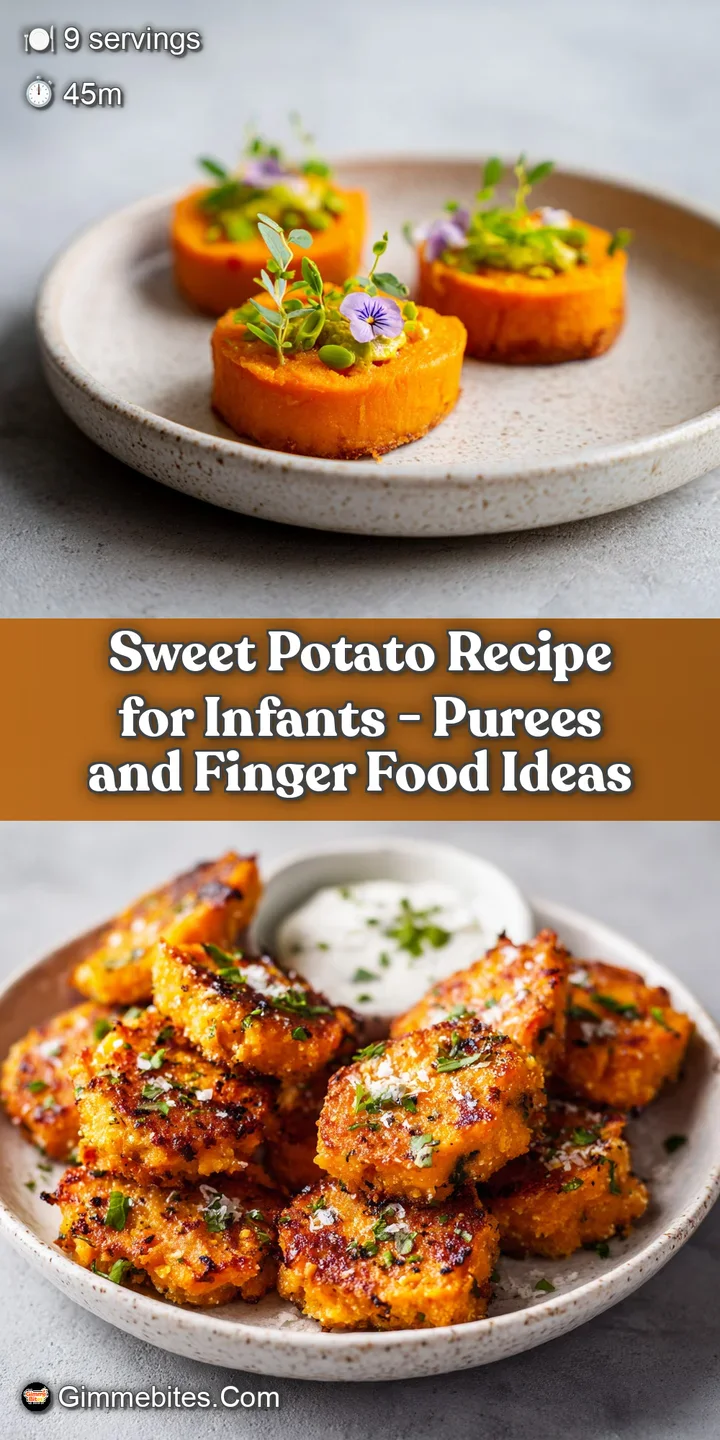
Recipe FAQs
What can be mixed with sweet potatoes for babies?
Use breastmilk, formula, or warm water. These liquids help thin the puree to a silky consistency while keeping the flavor profile familiar for your infant, and you can add a pinch of cinnamon for a hint of natural warmth.
How to prepare a sweet potato for an infant?
Preheat your oven to 400°F (200°C) and line a rimmed baking sheet with parchment paper. Scrub the potatoes, peel the portion intended for puree while leaving the skin on for finger food wedges, then toss with avocado oil and roast for 35 minutes until fork tender.
Does sweet potato help with diabetes?
No, this is a common misconception. While sweet potatoes are nutrient dense, they contain natural carbohydrates that impact blood sugar levels, so consult your pediatrician regarding specific dietary needs for infants with health conditions.
Can sweet potatoes help lower cholesterol?
False. There is no clinical evidence suggesting that sweet potatoes specifically lower cholesterol in infants; focus instead on providing a balanced variety of whole vegetables as part of a healthy development plan.
How to ensure the finger food wedges are safe for baby to hold?
Leave the skin on the wedges to provide a structural handle. Ensure you cut them into the size of an adult index finger and allow them to cool completely before serving, as the skin helps prevent the potato from crumbling in your baby's grasp.
How to achieve the silkiest texture for the puree?
Blend with warm liquid immediately after roasting. Using warm breastmilk, formula, or water keeps the vegetable starches relaxed, and if you enjoy mastering the consistency of purees, you can apply similar blending logic to our veggie infused sauce.
How to store leftovers effectively?
Freeze the puree in silicone ice cube trays for easy portioning. Once the cubes are solid, move them to a freezer bag where they will remain fresh for up to 3 months, allowing you to thaw only what you need for a single feeding.
Sweet Potato Recipe Infants
Ingredients:
Instructions:
Nutrition Facts:
| Calories | 66 kcal |
|---|---|
| Protein | 0.9 g |
| Fat | 2.1 g |
| Carbs | 11.2 g |
| Fiber | 1.7 g |
| Sugar | 2.3 g |
| Sodium | 31 mg |
