Copycat Claussen Dill Pickle Recipe
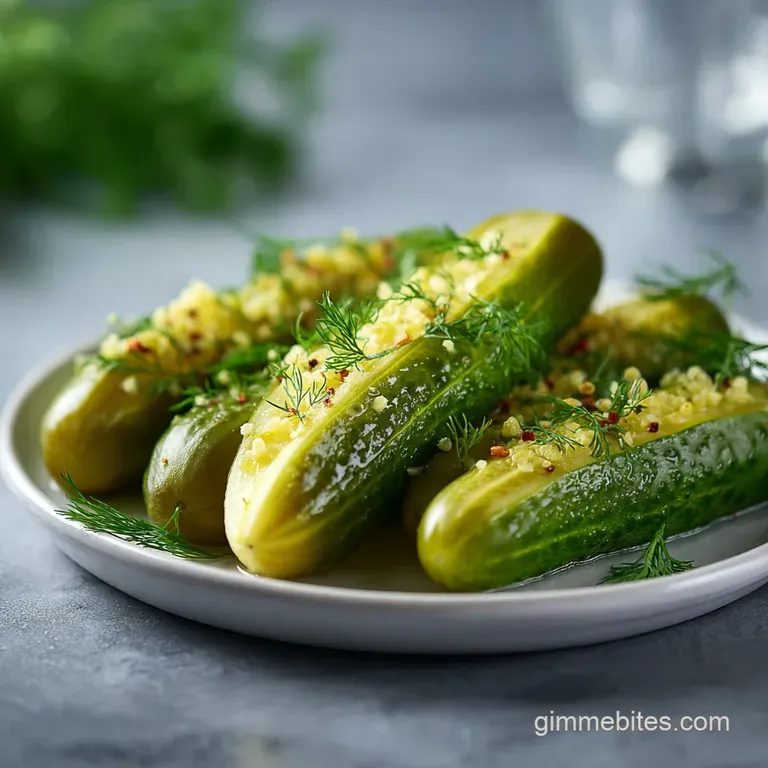
- Time: Active 25 minutes, Passive 5 days, Total 5 days 25 minutes
- Flavor/Texture Hook: Snappy, garlicky, and cold cured
- Perfect for: Deli style sandwiches and backyard barbecues
- Achieving Crunch with This Claussen Dill Pickle Recipe
- Vital Stats for Cold Brining
- Garden and Pantry Component Breakdown
- Tools for Your Deli Kitchen
- The Five Day Cold Brine Flow
- Fixing Cloudy or Soft Pickles
- Swapping Acids and Heat Levels
- Storage and Waste Reduction Tactics
- Serving Suggestions
- High in Sodium
- Recipe FAQs
- 📝 Recipe Card
Achieving Crunch with This Claussen Dill Pickle Recipe
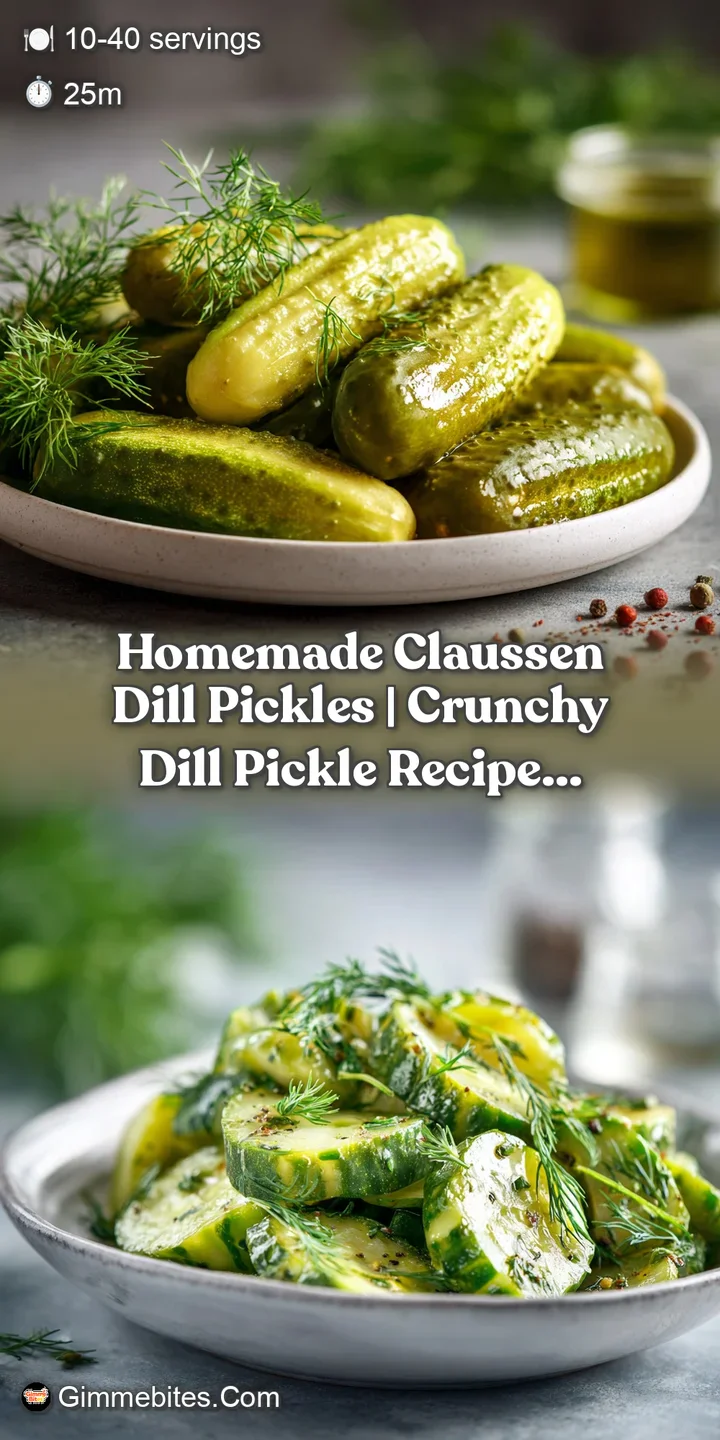
The first time I bit into a true deli style pickle, the sound was so loud it actually startled me. It wasn't that soft, vinegary mush you find in those dusty jars on the middle shelf of the grocery store. This was cold, vibrating with garlic, and had a "shatter" that felt like biting into a fresh apple.
I spent years trying to get that exact vibe at home, failing with boiling water baths that turned my hard work into soggy green sponges.
Honestly, the mistake I made for the longest time was thinking I had to "cook" the pickles to save them. If you want that legendary refrigerator crunch, you have to keep things cold.
I finally nailed it by treating the cucumbers like delicate produce rather than something that needs to be preserved for a nuclear winter. We're making something hearty and reliable here, meant to live in your fridge and disappear within a week because everyone keeps sneaking them out of the jar.
We've all been there opening a jar only to find a limp, sad spear that tastes more like metal than dill. This method changes that. We're leaning into the cold cure process which keeps the cucumbers from losing their spirit.
It's a straightforward flow, but the details in the brine and the prep are what make this the best version you'll ever tuck into a sandwich.
Vital Stats for Cold Brining
Pectin Preservation: Cold temperatures prevent the breakdown of pectin, the "glue" that keeps vegetable cell walls stiff and crunchy.
Osmotic Balance: A precise 2.5% to 3.5% salt to water ratio draws moisture out of the cucumber while pulling flavors deep into the center without turning it to leather.
| Method | Total Time | Texture | Shelf Life |
|---|---|---|---|
| Fast Refrigerator | 1 hours | Soft/Mild | 1 week |
| Classic Cold Cure | 5 days | Snappy/Deep | 2 months |
| Traditional Canning | 3 hours | Soft/Vinegary | 1 year |
If you're in a rush, you could technically eat these in 24 hours, but the garlic won't have fully permeated the core. For the most reliable results, give them the full five days. If you're looking for a different way to use your harvest, you might enjoy this Pickle De Gallo recipe which uses similar flavors in a chopped format.
Keeping the Pectin Strong
High heat is the enemy of the crunch because it dissolves the calcium pectate in the cell walls. By using a room temperature or chilled brine, we ensure the cucumbers never lose their structural integrity.
Stopping the Enzymes Cold
Cucumbers contain enzymes at the blossom end that naturally want to soften the fruit. Removing the tips and keeping the jars under 40°F (4°C) effectively puts these enzymes into a deep sleep.
Balancing the Salt Pressure
Salt pulls water out of the cells through osmosis, creating a denser, more satisfying bite. If the salt is too low, the pickles become flabby; too high, and they shrivel into salty husks.
Garden and Pantry Component Breakdown
| Ingredient | Science Role | Pro Secret |
|---|---|---|
| Distilled Water | Prevents mineral cloudiness | Use filtered if you have hard tap water |
| Pickling Salt | Controls fermentation/texture | Pure salt prevents a murky purple brine |
| White Vinegar | Lowers pH for safety | Stick to 5% acidity for the right tang |
| Garlic Cloves | Flavor and anti microbial | Smash them flat to release all the oils |
Why this? Distilled water ensures no chlorine or minerals interfere with the delicate spice infusion.
When gathering your items, look for 1.5 lbs Kirby or Persian cucumbers. You want them small and bumpy with thick skins. Don't even bother with the long, waxy English cucumbers; they have too much water and the skin is too thin to hold a real snap.
You'll also need 1 bunch fresh dill, 8 garlic cloves, 1 cup white distilled vinegar (5% acidity), and 3 cups distilled water.
For the spice blend, we're using 2.5 tbsp pickling salt, 1 tbsp mustard seeds, 1 tsp peppercorns, 0.5 tsp coriander seeds, 0.5 tsp dill seeds, and 0.25 tsp red pepper flakes. If you're out of pickling salt, you can use kosher salt, but you'll need to weigh it as the grain size varies wildly between brands.
Tools for Your Deli Kitchen
You don't need a massive canning setup for this. Since we aren't boiling jars, you can use any clean glass container with a tight lid. I prefer 1 quart wide mouth mason jars because they make it much easier to wedge the spears in tightly.
- Two 1 quart glass jars with lids
- Small saucepan (for dissolving salt)
- Mandoline or sharp chef's knife
- Measuring cups and spoons
Chef's Tip: Freeze your clean jars for 10 minutes before packing. This helps keep the cucumbers cold the second they touch the glass, which helps maintain that "shatter" texture we're after.
If you don't have pickling salt, you can check out this Pickling Liquid Recipe for a quick breakdown on how to balance ratios with what you have in the pantry.
The Five Day Cold Brine Flow
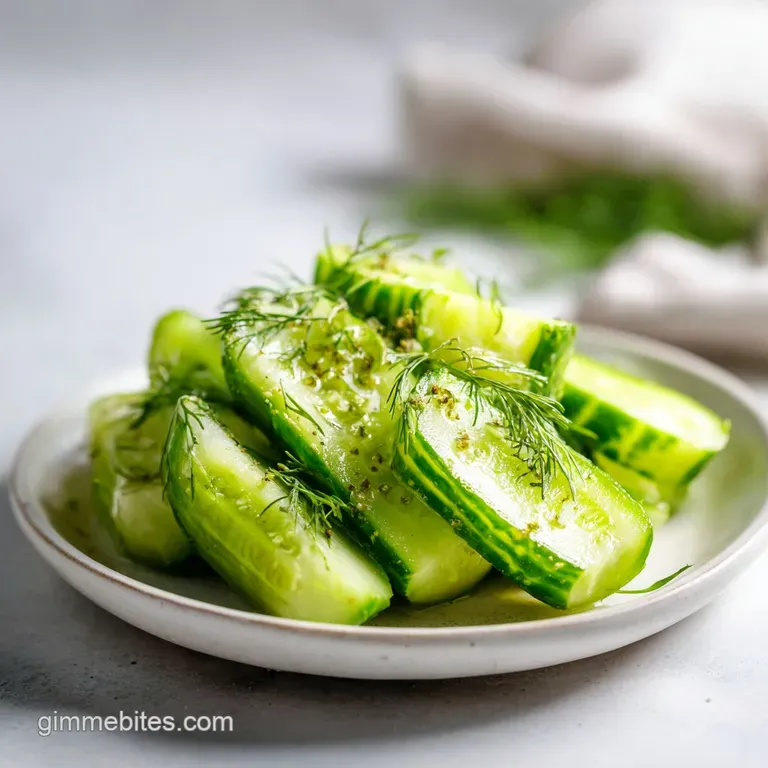
1. Prepping for Maximum Crunch
Wash 1.5 lbs Kirby or Persian cucumbers in ice cold water. Trim about 1/16th of an inch off the blossom end (the end without the stem) to remove the softening enzymes. Note: This is the single most important step for a firm pickle.
2. Layering the Aromatics
Divide the 8 garlic cloves (smashed), 1 tbsp mustard seeds, 1 tsp peppercorns, 0.5 tsp coriander seeds, 0.5 tsp dill seeds, and 0.25 tsp red pepper flakes between two clean quart jars.
3. Assembling the Chilled Jars
Slice the cucumbers into spears or thick chips. Pack them into the jars as tightly as possible without crushing them. Until the jars are packed to the neck and the cucumbers don't move when you shake it.
4. Mastering the Brine Infusion
Mix 3 cups distilled water, 1 cup white distilled vinegar, and 2.5 tbsp pickling salt in a pitcher. Stir until the liquid is completely clear and the salt is dissolved.
5. Curing for Peak Flavor
Pour the brine over the cucumbers, making sure they are fully submerged. Tighten the lids and place the jars in the back of the fridge. Let them sit for 5 days until the bright green fades to a dull olive.
| Servings | Cucumbers | Water/Vinegar | Jar Size |
|---|---|---|---|
| 10 people (1 qt) | 0.75 lbs | 1.5c / 0.5c | 1 Quart |
| 20 people (2 qt) | 1.5 lbs | 3c / 1c | 2 Quarts |
| 40 people (4 qt) | 3.0 lbs | 6c / 2c | 1 Gallon |
Be careful when scaling up. While you can double the cucumbers, don't just double the red pepper flakes or the garlic unless you want a serious kick. Spices tend to intensify more quickly than the base liquid.
Fixing Cloudy or Soft Pickles
Why Your Brine Is Cloudy
If you see a white, milky sediment at the bottom of the jar after a few days, don't panic. This usually happens if you used tap water with high mineral content or table salt with anti caking agents. As long as the pickles smell fresh and vinegary, they are safe.
If the cloudiness is accompanied by a foul smell or a slimy film on the cucumbers, toss them it means unwanted bacteria took over.
Why Your Pickles Are Soft
Softness is usually a temperature issue. If your fridge isn't cold enough (above 40°F), the enzymes in the cucumber will start to digest the pectin. It can also happen if the cucumbers were a bit old when you started. Always use the firmest, freshest produce you can find at the market.
| Problem | Root Cause | Solution |
|---|---|---|
| Shriveled Skin | Too much salt or sugar | Reduce salt by 1/2 tsp in next batch |
| Bitter Aftertaste | Cucumber skin or old dill | Peel a few strips or use fresher herbs |
| Hollow Center | Growth gaps in cucumber | Use smaller, younger Kirby cucumbers |
Common Mistakes Checklist
- ✓ Forgot to trim the blossom end (the enzymes will turn them to mush)
- ✓ Used table salt instead of pickling salt (iodine makes the brine dark and bitter)
- ✓ Didn't pack the jars tight enough (floating cucumbers soften faster)
- ✓ Tasted them too early (the "raw" cucumber flavor takes 5 days to vanish)
- ✓ Used warm water for the brine (heat is the enemy of the snap)
Swapping Acids and Heat Levels
If you want to move away from the classic deli profile, you can play with the acid. While white distilled vinegar is traditional for that sharp "snap," apple cider vinegar adds a fruitier, mellow depth. Just keep the acidity at 5% to ensure they stay preserved in the fridge.
For a spicy version, add two fresh habaneros sliced in half; the cold brine will pull the heat out slowly, giving you a slow burn rather than a searing spice.
- Spicier: Increase red pepper flakes to 1 tsp or add fresh jalapeños.
- Sweeter: Add 1 tbsp of sugar to the brine (this makes them more like a "bread and butter" hybrid).
- Extra Dill: Use dill "heads" (the flowers) instead of just the fronds for a more intense floral aroma.
Adding a Tannin Boost
If you really struggle with soft pickles, add a clean grape leaf or a single black tea bag to each jar. The tannins in these leaves act as a natural firming agent, binding to the pectin and keeping the cell walls from collapsing. It's an old school trick that works wonders for refrigerator recipes.
Storage and Waste Reduction Tactics
These pickles should stay in the refrigerator at all times. They aren't shelf stable, so don't leave them on the counter. In the fridge, they'll stay perfectly crunchy for about 2 months, though the garlic flavor will continue to intensify the longer they sit. I find the sweet spot is between week 2 and week 4.
Never throw away that leftover brine! It's liquid gold. You can use it to marinate chicken breasts for a tender, juicy "chick fil-a" style sandwich, or splash it into a potato salad for an instant hit of acidity and salt.
If you have extra cucumber scraps or onion ends, toss them into the jar once the pickles are gone; they'll soak up the leftover spice and give you a quick "fridge pickle" snack in just 24 hours.
Serving Suggestions
A cold, garlicky spear is the ultimate partner for a hearty, stick to your ribs meal. There’s something about the sharp acidity that cuts right through a heavy, fatty dish. I love serving these alongside a big plate of Dutch oven roast or a thick deli sandwich piled high with pastrami. If you’re making something like this Braised Mock Tenderloin recipe, the brightness of the dill and vinegar balances the rich, savory gravy perfectly.
Elevating the Classic Deli Plate
Arrange three spears on a wooden board with some sharp cheddar cheese and some thick cut rye bread. It feels like a fancy lunch but takes zero effort. The crunch of the pickle against the creamy cheese is a texture combination that never gets old.
Garnishing Your Sunday Brunch
These are the secret weapon for a top tier Bloody Mary. The garlic and red pepper flakes in the brine infuse the cucumber with so much flavor that they become the highlight of the drink. Use a tall spear as a stirrer, and maybe even add a tablespoon of the brine directly into the tomato juice for an extra savory kick.
It's reliable, classic, and always a hit with guests.
High in Sodium
885 mg mg of sodium per serving (38% % of daily value)
The American Heart Association recommends limiting sodium intake to about 2,300mg per day for overall health.
Tips to Reduce Sodium in Your Pickles
-
Reduce Pickling Salt-25%
Pickling salt is a significant source of sodium in this recipe. Try reducing the amount of pickling salt by 25% initially, and taste test to ensure desired flavor. You can reduce the 2.5 tbsp to 1.875 tbsp.
-
Dilute the Brine-15%
Increasing the amount of water in the brine will dilute the sodium concentration. Try increasing the water to 3.5 cups and reducing the vinegar to 0.75 cups to maintain the acidity while lowering sodium.
-
Vinegar Alternatives-10%
While white distilled vinegar is traditional, experiment with apple cider vinegar. Its slightly sweeter and milder flavor might allow for a further reduction in pickling salt needed.
-
Boost Other Flavors
Enhance the other flavors in the recipe with more dill, garlic, mustard seeds, peppercorns, coriander seeds, and red pepper flakes to compensate for the salt reduction. This will maintain a robust and flavorful pickle.
Recipe FAQs
What are the ingredients in Claussen dill pickles?
Cucumbers, water, vinegar, salt, and fresh spices. The signature flavor comes from fresh dill, garlic, mustard seed, and peppercorns packed without heat processing.
What makes Claussen pickles different?
They are refrigerator pickles kept cold and unpasteurized. This cold storage method prevents the softening enzymes from breaking down the pectin, resulting in their famously crisp texture.
What is the 321 rule for pickles?
The 3-2-1 rule refers to ratios for salt, sugar, and vinegar in some traditional canning methods, not Claussen style. For a reliable cold cure brine, focus on a 3.5% salt-to-water ratio to control osmosis effectively.
Are Claussen pickles fermented or vinegar based?
They are primarily vinegar based pickles preserved using refrigeration. True fermentation involves natural bacteria creating lactic acid, which these pickles skip in favor of immediate, sharp acidity from added vinegar.
How do I achieve that signature Claussen 'snap' at home?
Keep everything cold and trim the blossom end off the cucumber. The enzyme responsible for softening resides in that tip; removing it, along with maintaining a fridge temperature below 40°F, locks in the crunch.
Can I use these pickles in a cooked dish instead of fresh?
No, reheating will destroy the texture you are paying for. Because they are not heat processed like shelf stable varieties, the crispness will instantly disappear.
What’s the best way to use leftover Claussen brine?
Use the brine to marinate proteins like chicken for superior tenderness. If you enjoyed the flavor balance in this brine, you can see how similar acidic principles help tenderize meat in our Asian Chicken Crock recipe.
Claussen Dill Pickle Copycat
Ingredients:
Instructions:
Nutrition Facts:
| Calories | 12 calories |
|---|---|
| Protein | 0.5g |
| Fat | 0.2g |
| Carbs | 2.3g |
| Fiber | 0.8g |
| Sugar | 1.1g |
| Sodium | 885mg |
