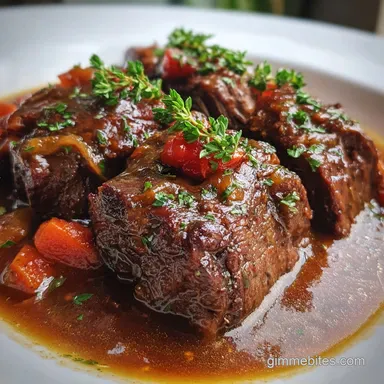
Braised Mock Tenderloin in Dutch Oven: Tender Slices

- Time: 20 min active + 30 min room temp rest + 140 min cooking + 15 min resting
- Flavor & Texture: Rich, savory beef with a mahogany crust and velvety finish
- Ideal for: Family gatherings or a cozy winter dinner
Braised Mock Tenderloin Recipe Dutch Oven
That first sizzle when the beef hits the hot oil is the best part. It's a sound that promises a meal with a deep, savory crust and meat that practically falls apart. This is the kind of dinner that fills the house with a heavy, comforting scent, telling everyone that tonight is about slow food and relaxation.
It fits those rainy Sunday afternoons when you want a roast that feels fancy but doesn't require you to stay glued to the stove. Using a Dutch oven means the heat stays even, which is the key to transforming a budget-friendly cut into something that tastes like a high-end steakhouse meal.
The Braised Mock Tenderloin Recipe Dutch Oven relies on a simple flow: a hard sear, a slow simmer, and a patient rest. You get a hearty, stick to your ribs result that works just as well for a special occasion as it does for a comforting weekday feast.
Quick Recipe Specs
This approach focuses on a steady temperature to break down the muscle fibers. Since we're using a braise, the moisture keeps the meat from drying out while the oven provides the consistent heat needed for the collagen to break down.
For a different take on beef, you might enjoy a Basic Beef Skillet recipe for those nights when you don't have three hours to spare.
Why This Braise Works
- Low and Slow: A steady 325°F temp turns tough connective tissue into gelatin for a tender bite.
- The Fond: Searing the meat creates brown bits on the bottom of the pot that make the sauce taste rich.
| Roast Thickness | Oven Temp | Rest Time | Doneness Cue |
|---|---|---|---|
| 3-4 inches | 325°F | 15 mins | Internal 145°F / Fork tender |
Gathering Your Essentials
Each part of this dish adds a layer of depth. The red wine cuts through the richness of the beef, while the tomato paste adds a subtle sweetness and a dark color.
Ingredient Deep Dive
| Ingredient | Role | If You Don't Have It |
|---|---|---|
| Mock Tenderloin | Main protein | Chuck roast (approximation, adjust time) |
| Tomato Paste | Umami and color | Concentrated tomato sauce (use more) |
| Dry Red Wine | Acidity and depth | Extra beef broth + 1 tbsp red wine vinegar |
| Beef Broth | Braising liquid | Water + beef bouillon cubes |
The Full List
- 3 lb mock tenderloin roast Why this? High connective tissue makes it ideal for braising
- 2 tbsp vegetable oil Why this? High smoke point for the sear
- 2 tsp kosher salt
- 1 tsp coarsely ground black pepper
- 2 tbsp unsalted butter Why this? Adds richness to the sautéed vegetables
- 1 large yellow onion, diced
- 3 medium carrots, cut into 1 inch chunks
- 4 cloves garlic, smashed
- 2 tbsp tomato paste Why this? Thickens sauce and adds savory depth
- 2 cups low-sodium beef broth
- 1 cup dry red wine
- 2 sprigs fresh rosemary
- 3 sprigs fresh thyme
- 2 dried bay leaves
Necessary Kitchen Gear
A 6 quart enameled cast iron Dutch oven is the best tool for this. The heavy walls hold heat and distribute it evenly, which prevents hot spots that could toughen the meat. You'll also need a meat thermometer to ensure safety and a sturdy wooden spoon for scraping the bottom of the pot.
The Cooking Process

Preparing the Protein
Pat the mock tenderloin completely dry with paper towels. Note: Wet meat steams instead of searing. Season all sides generously with 2 tsp kosher salt and 1 tsp black pepper. Let the meat sit at room temperature for 30 minutes to ensure it cooks evenly.
Developing the Mahogany Crust
Preheat the oven to 325°F (163°C). Heat 2 tbsp vegetable oil in the Dutch oven over medium-high heat until shimmering. Sear the roast for 5–7 minutes per side until a deep mahogany crust forms. Remove meat and set aside on a plate.
Building the Flavor Profile
Reduce heat to medium and add 2 tbsp unsalted butter. Sauté the diced yellow onion and carrot chunks until the onions are translucent and carrots begin to soften.
Stir in the smashed garlic and tomato paste; cook for 2 minutes until the paste turns a deep brick red and smells nutty.
Executing the Slow Braise
Pour in 1 cup dry red wine, scraping the brown bits from the bottom. Stir in 2 cups low-sodium beef broth, rosemary, thyme, and bay leaves. Return the seared roast to the pot, ensuring it is partially submerged. Cover with a tight fitting lid and transfer to the oven for 2 hours.
Finishing the Meat
Use a meat thermometer to verify the beef has reached a safe internal temperature of 145°F (63°C). USDA guidance puts this as the safe minimum for beef. Remove the roast from the pot and let it rest for at least 15 minutes before slicing.
Fixing Common Issues
If the meat feels rubbery or resists the fork, it just needs more time. Braising is less about a strict timer and more about the physical breakdown of the protein.
When the sauce feels too thin, you can simmer it on the stove after removing the meat. This reduces the liquid and concentrates the flavor into a silky glaze.
Fixing Tough Meat
This happens when the collagen hasn't fully converted to gelatin. Put the roast back in the oven for another 20–30 minutes.
Fixing Thin Sauce
The liquid didn't reduce enough during the braise. Simmer the sauce on medium-high for 10 minutes before serving.
| Problem | Root Cause | Solution |
|---|---|---|
| Meat is tough | Under-cooked | Braise for another 30 mins |
| Sauce is watery | Too much liquid | Simmer on stove to reduce |
| Meat is dry | Over-cooked / No liquid | Add more braising liquid next time |
Easy Ingredient Swaps
You can tweak the aromatics to change the vibe of the dish. For a more earthy flavor, add a teaspoon of dried oregano or a pinch of smoked paprika.
If you want a more intense sauce, replace the beef broth with a mix of broth and a splash of Worcestershire sauce.
| Original Ingredient | Substitute | Why It Works |
|---|---|---|
| Red Wine | Beef Broth + Vinegar | Similar acidity, no alcohol |
| Fresh Thyme | Dried Thyme (1 tsp) | Same herbal notes, more concentrated |
| Vegetable Oil | Grapeseed Oil | Similar high smoke point |
For Different Goals:
- For a richer sauce: Add 1 tbsp of cold butter to the sauce at the very end.
- For more vegetables: Add parsnips or celery during the sauté step.
- For a leaner result: Skim the fat off the top of the sauce before serving.
Storing Leftovers
Seal the beef and sauce in a plastic container and keep it chilled for up to 4 days. The flavors actually get better after a day in the fridge as the herbs continue to infuse.
For longer storage, the beef freezes well for up to 3 months. Freeze the meat and sauce together in a freezer-safe bag to keep the protein moist.
To reheat, place the beef and sauce in a small baking dish, cover with foil, and warm at 300°F for 20 minutes. This prevents the meat from overcooking and becoming tough.
You can also use the leftover braising liquid as a base for a hearty gravy or as a starter for a beef stew.
Best Pairing Ideas
This roast is quite rich, so it needs something to balance it out. I like serving it alongside mashed potatoes or a creamy polenta to soak up all that mahogany sauce.
For a fresh contrast, a crisp green salad with a lemon vinaigrette works wonders. This hearty roast also pairs well with some Sourdough Buns recipe to soak up every last drop of the gravy.
The Classic Plate
- Main: Sliced Braised Mock Tenderloin
- Starch: Garlic Mashed Potatoes
- Veg: Steamed Green Beans with Lemon
Kitchen Truths
Searing meat doesn't actually "lock in" the juices; moisture loss occurs regardless of the sear. The brown crust adds flavor and color through a chemical change in the proteins, but it doesn't function as a waterproof seal.
Some believe that salting meat hours beforehand tenderizes it. While a long salt brine helps with moisture retention, it cannot break down the tough connective tissues of a mock tenderloin. Only low, moist heat can accomplish that.
Recipe FAQs
How to cook meat in a Dutch oven?
Sear the meat over medium-high heat to develop a crust, then simmer it slowly in liquid. Cover with a tight lid and transfer to the oven for consistent heat.
Can you make braised beef without a Dutch oven?
Yes, any oven-safe pot with a heavy lid works. A deep baking dish covered tightly with foil is another good alternative for keeping moisture in.
What is the best way to cook mock tender steak?
Braise it slowly at 325°F after searing. This breaks down the tough connective tissue and results in meat that is tender enough to shred.
Which steps are used to braise meat in an oven?
Brown the meat in a pot, add aromatics and liquid, then cover and bake at a low temperature. If you enjoyed mastering this slow-cooking method, see how a similar red sauce approach works for chicken.
Is it true you can slice the roast immediately after cooking?
Not true. Let the beef rest for at least 15 minutes so the juices redistribute throughout the meat.
When reheating leftovers, how should you do it?
Place the meat and sauce in a baking dish and cover with foil. Warm it at 300°F for about 20 minutes to avoid toughening the protein.
Braised Mock Tenderloin for 6 Servings