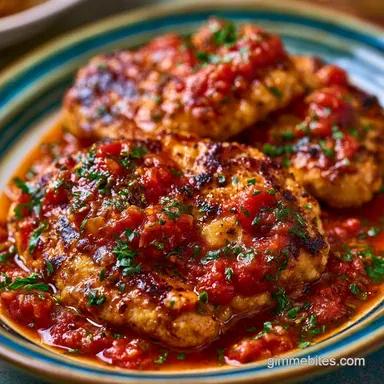
Chicken with Red Sauce: Pan-Seared and Glossy
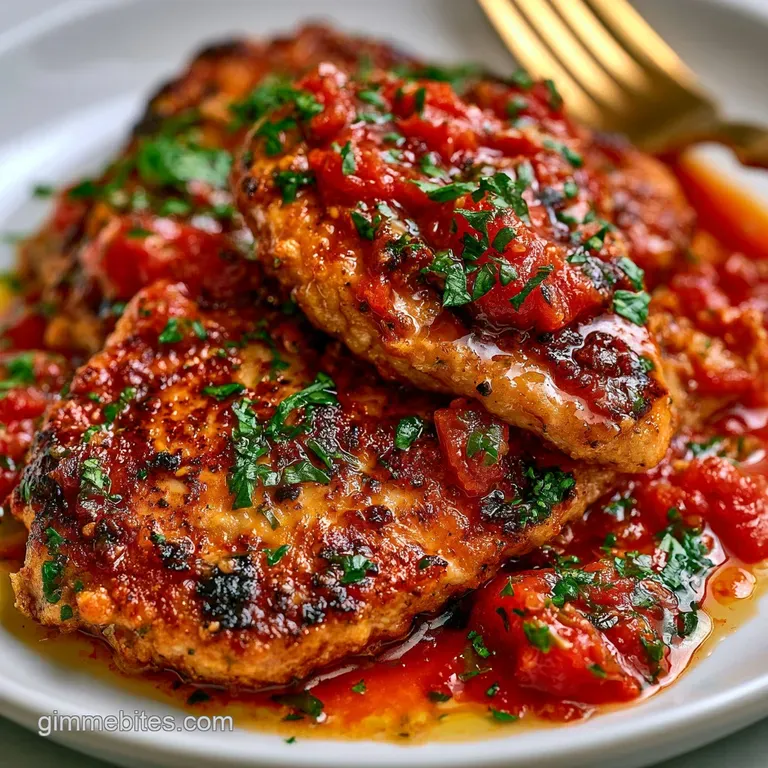
- Time:10 minutes active + 20 minutes cook = 30 minutes total
- Flavor/Texture Hook: Hearty, mahogany crusted chicken in a glossy, aromatic tomato glaze
- Perfect for: Busy weeknight dinners that need to feel like a Sunday feast
Hearty Chicken with Red Sauce
That aggressive sizzle when the chicken hits the hot oil is my favorite part of this whole process. I remember one rainy Tuesday when I was absolutely exhausted, but I wanted something that felt like a hug in a bowl.
I tossed these cutlets into the pan, and the smell of garlic and oregano hitting the heat immediately shifted the mood in the kitchen from "stressful" to "comforting."
The trick is in that mahogany crust. If you just simmer the meat in the sauce, it's fine, but it's boring. By searing the meat first, we get a depth of flavor that makes this Chicken with Red Sauce taste like it spent hours on the stove, even though we're in and out in half an hour.
It's a hearty, stick to your ribs meal that my family asks for at least twice a month.
You can expect a dish where the chicken is tender and the sauce is thick enough to cling to the meat without swimming in a puddle of water. It's simple, honest cooking that doesn't require a fancy kitchen, just a decent skillet and a few pantry staples. Trust me, the butter at the end is non negotiable.
Why This Dish Hits
The magic here isn't about fancy techniques, it's just about how the ingredients interact in the pan. I've spent way too much time overcooking chicken, but these few tweaks keep things juicy.
- The Brown Bit Boost: Those caramelized remnants left after searing the meat are pure flavor gold. When the tomatoes hit the pan, they lift those bits up, blending them directly into the sauce.
- Thin Cutlet Logic: Halving the breasts lengthwise means the meat cooks faster and more evenly. You get more surface area for that crust without drying out the center.
- The Butter Gloss: Adding cold butter at the very end creates a velvety texture. It mellows out the sharpness of the canned tomatoes and gives the sauce a professional sheen.
- Acid Balance: The natural acidity of the crushed tomatoes is balanced by the fat from the olive oil and butter. This prevents the sauce from tasting "tinny" or overly sour.
| Method | Time | Texture | Best For |
|---|---|---|---|
| Fast Sear (This) | 30 mins | Crusty & Velvety | Weeknights |
| Classic Braise | 1.5 hours | Fall apart Tender | Sunday Dinner |
| Slow Cooker | 6 hours | Shredded/Soft | Meal Prep |
Right then, let's look at what's actually happening with the ingredients. I don't think of it as chemistry, just as "how things taste."
Ingredient Component Analysis
| Ingredient | Science Role | Pro Secret |
|---|---|---|
| Crushed Tomatoes | Flavor Base | Look for "San Marzano" style for less acidity |
| Unsalted Butter | Texture Modifier | Stir in at the end for a glossy finish |
| Olive Oil | Heat Medium | Use a high smoke point oil for that mahogany crust |
| Garlic Powder | Depth Layer | Adds a baseline savoriness that fresh garlic alone lacks |
The Grocery List
I keep these basics in my pantry at all times. If you're missing something, don't sweat it, but try to stick to the specific types mentioned for the best result.
- 1.5 lbs chicken breasts, halved lengthwise into thin cutlets Why this? Ensures fast, even cooking without toughness
- 2 tbsp olive oil (for searing) Why this? High heat stability for the crust
- 1 tsp salt Why this? Essential for moisture retention
- 1/2 tsp cracked black pepper Why this? Adds a sharp, woody heat
- 1 tsp garlic powder Why this? Creates a savory crust on the meat
- 28 oz crushed tomatoes (canned) Why this? Thicker than puree, more consistent than diced
- 3 cloves garlic, minced Why this? Provides a fresh, pungent aromatic hit
- 1 tbsp olive oil (for sauce) Why this? To bloom the spices
- 1 tsp dried oregano Why this? Earthy, classic Italian profile
- 1/2 tsp red pepper flakes Why this? A subtle background warmth
- 1/4 cup fresh basil leaves, torn Why this? Bright, peppery finish to cut the richness
- 1 tbsp unsalted butter Why this? Emulsifies the sauce for a silky mouthfeel
| Original Ingredient | Substitute | Why It Works |
|---|---|---|
| Chicken Breast | Chicken Thighs | Same process. Note: More fat, juicier, but higher calorie |
| Crushed Tomatoes | Tomato Puree | Similar base. Note: Thicker texture, might need a splash of water |
| Fresh Basil | Dried Basil | Same flavor profile. Note: Add with oregano; less aromatic finish |
| Unsalted Butter | Heavy Cream | Adds richness. Note: Makes the sauce "creamy" rather than "glossy" |
Honestly, don't bother with low-fat substitutes here. The fat is what carries the flavor of the oregano and garlic. If you want to lighten it up, just serve it with a massive pile of steamed greens.
Step by step Method
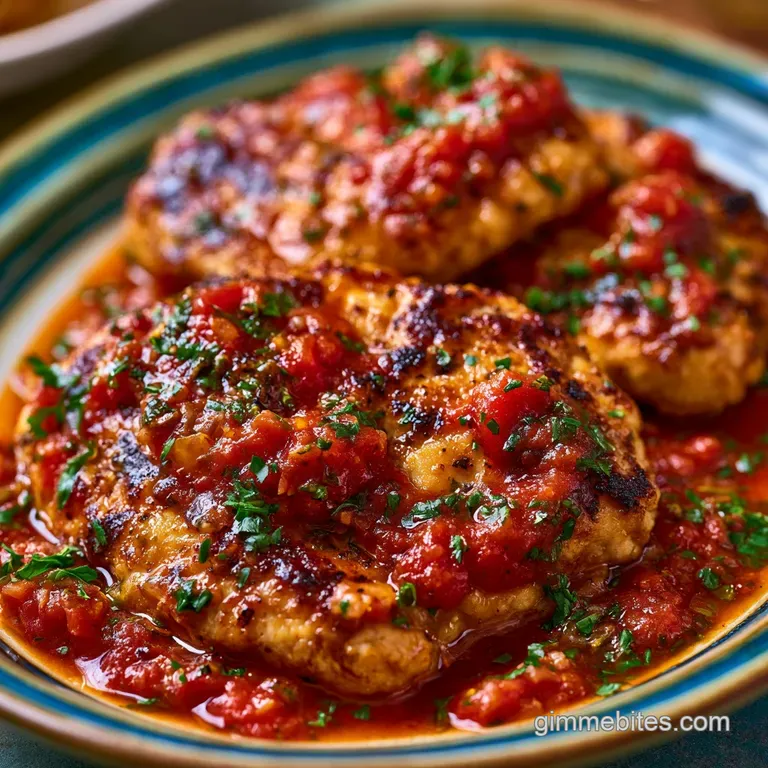
Let's crack on. Make sure your pan is actually hot before the chicken goes in, otherwise, you'll just be boiling the meat in oil.
- Pat the chicken cutlets dry with paper towels. Note: Wet chicken won't sear, it will steam
- Season both sides evenly with salt, pepper, and garlic powder.
- Heat 2 tbsp of olive oil in a large stainless steel or cast iron skillet over medium high heat until it shimmers.
- Add chicken and sear for 3–5 minutes per side until a mahogany colored crust forms.
- Remove chicken to a plate and set aside.
- Reduce heat to medium. In the same pan, add another 1 tbsp of olive oil.
- Sauté the minced garlic and red pepper flakes for about 60 seconds until fragrant.
- Pour in the crushed tomatoes and dried oregano. Use a wooden spoon to scrape the bottom of the pan to release the browned chicken bits (fond) into the sauce.
- Return the chicken and any accumulated juices to the pan.
- Simmer gently for 8–10 minutes until the sauce thickens and the chicken reaches an internal temperature of 165°F (74°C).
- Remove the pan from the heat. Stir in the unsalted butter and fresh basil leaves until the butter is melted and the sauce is glossy.
Fixing Common Sauce Issues
Even for experienced cooks, things can go sideways. Usually, it's just a matter of heat management or a slight imbalance in the sauce. According to USDA FoodData, the natural acidity in tomatoes can vary, which sometimes affects the final taste.
The Chicken is Rubberized
If your meat feels like a bouncy ball, you've likely overshot the internal temperature. Chicken breasts are lean and don't have much room for error. Use a meat thermometer to pull them exactly at 165°F (74°C).
The Sauce Tastes Too Acidic
Some canned tomatoes are more tart than others. If the sauce makes your mouth pucker, a tiny pinch of sugar or an extra knob of butter usually fixes it. The fat coats the tongue and masks the sharp acid.
The Sauce is Too Thin
This usually happens if the pan was too cold or the simmer wasn't long enough. If it looks like soup, let it bubble for another 3-5 minutes without the lid on to let the water evaporate.
| Problem | Root Cause | Solution |
|---|---|---|
| Chicken sticking to pan | Pan not hot enough | Wait for oil to shimmer before adding meat |
| Garlic tastes burnt | Heat too high during sauté | Lower heat; add tomatoes immediately |
| Sauce separates | Butter added while boiling | Remove pan from heat before stirring in butter |
Common Mistakes Checklist:
- ✓ Patting chicken dry before seasoning
- ✓ Avoiding overcrowding the pan during the sear
- ✓ Scraping the fond (brown bits) into the sauce
- ✓ Checking internal temp with a thermometer
- ✓ Adding butter only after removing from heat
Customizing Your Plate
This is a great base recipe, but you can easily steer it in different directions depending on what's in your fridge. If you're feeling fancy, you can try some of these variations.
The Creamy Twist: Stir in two tablespoons of mascarpone or heavy cream along with the butter. This turns it into a creamy chicken and red sauce that feels like a restaurant dish.
The Spicy Kick: Double the red pepper flakes and add a pinch of smoked paprika. For an even deeper heat, check out my Chicken Sauce Piquant recipe for some serious inspiration.
The Low Carb Swap: Instead of pasta, serve this over zoodles or roasted cauliflower. The thick sauce is hearty enough that you won't even miss the carbs.
The Flavor Boost: If you want a more complex herb profile, you can mix in some Spaghetti Seasoning during step 8. It adds those subtle notes of thyme and rosemary that really round things out.
Decision Shortcut: If you want it velvety → Stick to the butter finish. If you want it zesty → Add a squeeze of lemon juice at the end. If you're in a rush → Use a wider skillet to speed up the sauce reduction.
Preservation Secrets
Don't let the leftovers go to waste. This dish actually tastes better the next day because the chicken has time to soak up the tomato flavors.
Storage Guidelines: Store the chicken and sauce together in an airtight container in the fridge for up to 3-4 days. If you're freezing it, I recommend freezing the sauce separately from the chicken to avoid the meat becoming mushy. The sauce lasts up to 2 months in the freezer.
Reheating Tips: Avoid the microwave if you can. Put a portion in a small skillet over medium low heat with a splash of water. Cover it for 2 minutes to steam the chicken back to life, then uncover to thicken the sauce.
- Zero Waste Hacks
- Pan Sauce Pasta
- If you have a bit of sauce left in the pan, toss in some cooked penne and a splash of pasta water for a quick side.
- Tomato Base
- Any leftover sauce can be frozen in ice cube trays and used as a starter for a homemade minestrone soup.
Best Side Pairings
Since this is a rich, hearty dish, you want sides that either soak up the sauce or provide a fresh contrast.
Starchy Staples: Classic spaghetti is the go to, but I love serving this over a bed of creamy polenta or mashed potatoes. The starch absorbs the red sauce and makes the whole meal feel more substantial.
Fresh Greens: A simple arugula salad with lemon vinaigrette is a must. The bitterness of the arugula cuts through the richness of the butter and tomatoes, cleansing your palate between bites.
Baked Veggies: Roasted zucchini or charred asparagus work brilliantly. The smokiness from the oven complements the mahogany crust on the chicken.
Chef's Note: If you're serving this for a crowd, sear the chicken in batches. If you crowd the pan, the temperature drops, and you'll get grey, steamed meat instead of that beautiful brown crust. It takes an extra 5 minutes, but it's worth every second.
High in Sodium
845 mg 845 mg of sodium per serving (37% 37% of daily value)
The American Heart Association recommends that adults limit sodium intake to 2,300 mg per day, with an ideal limit of 1,500 mg for most adults.
Tips to Reduce Sodium
-
Reduce Added Salt-25%
Cut the 1 tsp of salt in half or omit it entirely; the crushed tomatoes already provide a significant amount of sodium.
-
Low-Sodium Tomatoes-20%
Replace the standard canned crushed tomatoes with a 'no salt added' version to avoid hidden preservatives.
-
Brighten with Acid-10%
Squeeze fresh lemon juice over the finished chicken to mimic the flavor enhancing effect of salt using acidity.
-
Boost Fresh Aromatics
Increase the amount of fresh basil and minced garlic to create a more robust flavor profile without needing extra salt.
Recipe FAQs
Does red sauce go with chicken?
Yes, it is a classic pairing. The bright acidity of the crushed tomatoes balances the savory richness of the seared chicken breasts.
Can a diabetic eat baked chicken?
Yes, lean chicken is generally diabetic friendly. This recipe avoids added sugars, relying on crushed tomatoes and garlic for flavor, which helps maintain stable blood glucose levels.
How to cook chicken if you have gallstones?
Reduce the olive oil and butter quantities. Use a minimal amount of fat for searing to prevent gallbladder irritation while keeping the tomato based sauce for flavor.
What sauces work best with chicken?
Tomato based red sauces, creams, and savory glazes are top choices. If you enjoy the bold flavor of this sauce, try a teriyaki glaze to experience a different balance of sweet and salty notes.
Why is my chicken steaming instead of searing?
The meat was likely too wet. Always pat the chicken cutlets dry with paper towels before seasoning to ensure you get that mahogany colored crust.
Is it true that I must rinse the crushed tomatoes before adding them to the pan?
No, this is a common misconception. Rinsing the tomatoes removes the essential texture and flavor needed to create a thick, glossy sauce.
How to thicken the red sauce if it is too watery?
Simmer gently for 8 10 minutes. This allows the liquid to reduce and the flavors to concentrate before you stir in the butter to emulsify the sauce.
Chicken With Red Sauce