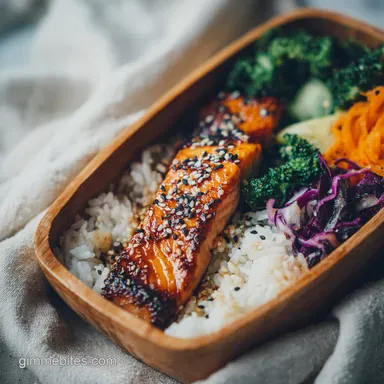
Teriyaki Salmon Bento Box: Pan-Seared and Caramelized
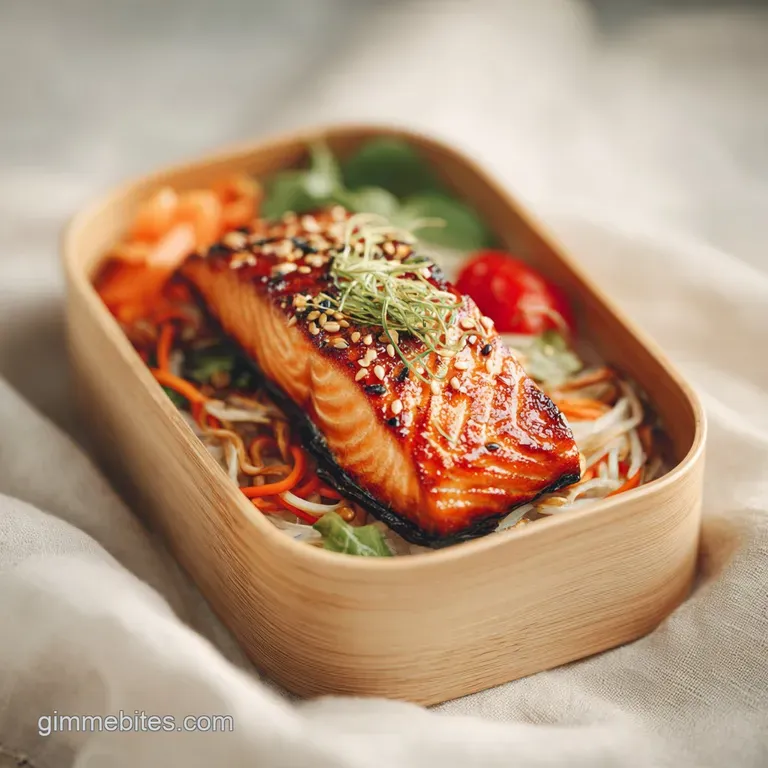
- Master the Teriyaki Salmon Bento Box
- Why This Meal Stays Fresh
- Detailed Component Analysis
- Selecting Your Fresh Elements
- Essential Tools for Success
- Step-by-Step Cooking Guide
- Fixing Common Kitchen Mishaps
- Adjusting for Any Group
- Debunking Classic Kitchen Lore
- Keep It Fresh Longer
- Perfecting the Bento Experience
- Critical Sodium Alert! 🚨
- Recipe FAQs
- 📝 Recipe Card
Master the Teriyaki Salmon Bento Box
There is a specific, rhythmic sizzle that happens when cold salmon hits a shimmering layer of hot oil. It starts as a sharp crackle, then settles into a steady, energetic hiss as the skin begins its transformation from soft silver to a golden, shattering crust.
I remember the first time I tried to meal prep a "luxury" lunch for the office; I was tired of limp salads and sad leftovers. I wanted something that felt like a reward for surviving a Tuesday. Discover your next favorite meal with this sensational Teriyaki Salmon bento box, perfect for adult lunches.
It’s about more than just food; it’s about that hit of energy you get from high protein fuel that actually tastes like a restaurant treat.
Honestly, we’ve all been there with salmon. You buy a beautiful piece of fish, and then it ends up either dry as cardboard or suspiciously soggy because the sauce didn’t stick. This recipe fixes that.
We’re going to use a quick dry cure trick I learned from a Japanese chef that changes the game for texture. By the time you open your container at noon, the rice is still chewy, the broccoli is bright, and that salmon is glazed in a mahogany syrup that’s better than anything in a bottle.
Let’s get into the mechanics of why this works so well without costing a fortune.
Why This Meal Stays Fresh
- Osmotic Surface Prep: The salt sugar cure draws moisture from the skin's surface, allowing it to fry into a thin, crisp layer rather than steaming in its own juices.
- Glaze Viscosity Control: Reducing the soy and mirin separately creates a thick syrup that clings to the fish like a second skin instead of pooling at the bottom of the box.
- Starch Set: Rinsing the short grain rice removes excess surface starch, preventing the grains from turning into a gummy mass as they cool.
- Flash Blanching: A quick 2-3 minute boil for the greens stops the enzyme action, keeping them vibrantly green and snappy even after 24 hours in the fridge.
| Method | Time | Texture | Best For |
|---|---|---|---|
| Stovetop Skillet | 20 mins | Shattering skin | Maximum flavor depth |
| Air Fryer | 12 mins | Even browning | Quick Tuesday fuel |
| oven roasted | 15 mins | Velvety flakes | Batch prepping for 4+ |
This comparison shows that while the skillet is king for texture, you can pivot based on your schedule. If you're chasing that fusion vibe and want a faster cleanup, the air fryer works, but you'll lose that specific "shatter" you get from the oil contact in a pan.
For this bento, I always recommend the skillet to get that professional finish on the skin side.
Detailed Component Analysis
| Ingredient | Science Role | Pro Secret |
|---|---|---|
| Salmon Fillets | Protein Structure | Patting bone dry is non negotiable for a crisp sear. |
| Mirin/Sake | Sugar & Acidity | These alcohols break down fish proteins for a softer bite. |
| Short Grain Rice | Starch Foundation | Use specifically "sushi rice" for the correct amylopectin ratio. |
| Sea Salt | Moisture Draw | It tightens the flesh, making the fish less likely to flake apart in the pan. |
Choosing the right salmon is your first win. Look for center cut pieces because they have a uniform thickness, which means the edges won't overcook before the middle is done. I usually go for skin on because that skin acts as a protective heat shield, keeping the interior velvety while the outside gets that necessary crunch.
Selecting Your Fresh Elements
- 4 center cut salmon fillets (5oz each): Skin on is vital for texture. Why this? The skin prevents the fish from drying out during the over high heat sear.
- 0.5 tsp sea salt & 0.5 tsp granulated sugar: For the quick cure. Why this? This combo seasons deep into the muscle while tightening the protein fibers.
- 2 cups Japanese short grain rice: Dry weight. Why this? It has the stickiness needed to eat easily with chopsticks or a fork.
- 4 tbsp soy sauce: Use a naturally brewed version for better depth. Why this? Provides the savory base and the dark color for the glaze.
- 4 tbsp mirin: Sweet Japanese rice wine. Why this? Adds a distinct shine and gentle sweetness to the teriyaki sauce.
- 4 tbsp sake: Dry rice wine. Why this? Acts as a solvent to carry the ginger flavor into the fish.
- 1 tbsp brown sugar: For the glaze reduction. Why this? The molasses content helps the sauce thicken into a rich syrup quickly.
- 1 tsp fresh ginger: Grated finely. Why this? Cuts through the fat of the salmon with a sharp, clean zing.
- 2 cups broccoli florets: Fresh and bite sized. Why this? It's a sturdy vegetable that holds its shape and color in a bento.
- 1 cup shelled edamame: Frozen is fine here. Why this? High protein filler that adds a buttery texture to the box.
- 1 Persian cucumber: Thinly sliced. Why this? Provides a cooling, watery crunch to balance the salty glaze.
Essential Tools for Success
You don't need a professional kitchen, but a heavy bottomed skillet is your best friend here. Cast iron or a thick stainless steel pan holds heat much better than thin aluminum, which prevents the temperature from dropping when the fish hits the pan.
If the pan stays hot, the skin crisps; if it cools down, the fish sticks.
A rice cooker is a massive help for consistency, but a heavy pot with a tight fitting lid works just as well. You'll also want a small saucepan for the glaze. Reducing the sauce in a separate pan while the fish cooks is the secret to getting that thick, glossy finish without overcooking the salmon.
Step-by-step Cooking Guide
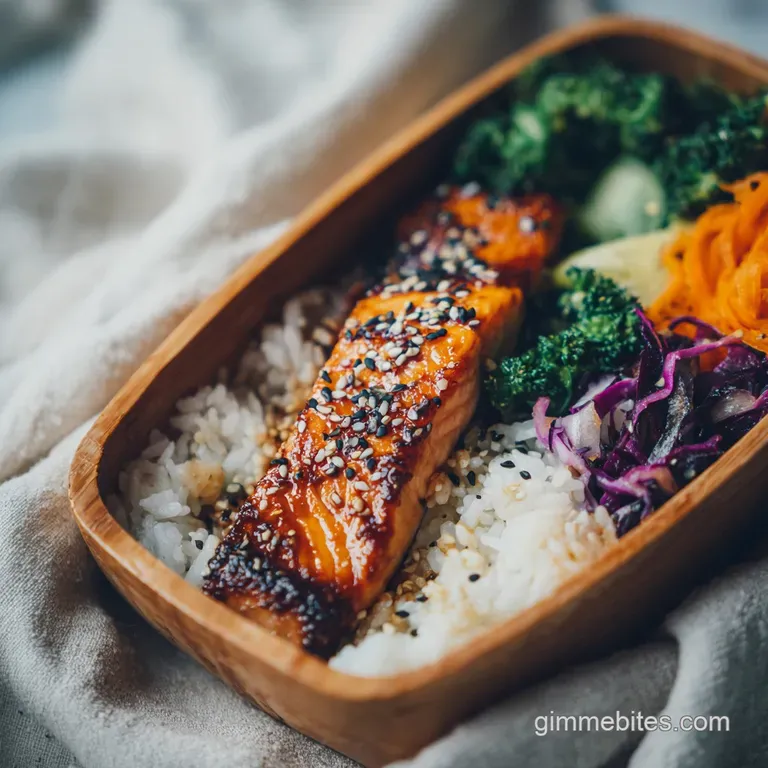
- Prep the rice. Wash the 2 cups of short grain rice 3 4 times in cold water until the water runs clear. Cook with 2.5 cups of water for 15 minutes. Note: Rinsing removes excess starch so the rice is fluffy, not gummy.
- Season the salmon. Pat the 4 salmon fillets dry with paper towels. Sprinkle the flesh side with 0.5 tsp sea salt and 0.5 tsp granulated sugar. Let sit for 10 minutes to cure.
- Prepare the glaze. Combine 4 tbsp soy sauce, 4 tbsp mirin, 4 tbsp sake, 1 tbsp brown sugar, and 1 tsp grated ginger in a small saucepan.
- Reduce the sauce. Simmer the glaze over medium heat for 5–7 minutes until the liquid reduces by half and looks like a thick, dark syrup.
- Clean the fish. Wipe away all the surface moisture from the salmon fillets with a fresh paper towel. Ensure the skin is completely dry before it touches the oil.
- Searing the skin. Heat 1 tbsp neutral oil in a skillet over medium high heat. Place salmon skin side down, pressing firmly with a spatula for 30 seconds to prevent curling.
- Finish the salmon. Cook for 4-5 minutes until the skin is audible and crisp, then flip. Cook for another 1-2 minutes until it reaches your preferred doneness.
- Blanch the greens. Boil the 2 cups of broccoli and 1 cup of edamame for 2-3 minutes until they turn a bright, electric green. Drain immediately.
- Season the base. Fluff the cooked rice and fold in 2 tbsp rice vinegar. Spread it out slightly so it cools to room temperature without steaming itself.
- Bento assembly. Place a bed of rice in each box. Lay the salmon on top, drizzle generously with the reduced glaze, and tuck the broccoli, edamame, and sliced cucumber into the remaining space.
Fixing Common Kitchen Mishaps
Why Your Salmon Skin Sticks
This usually happens because the pan wasn't hot enough or the skin was still damp. When moisture meets hot oil, it creates steam, which acts like glue between the fish and the metal. Always pat the skin dry right before it goes into the pan.
| Problem | Root Cause | Solution |
|---|---|---|
| Rubber like skin | Excess moisture or low heat | Pat dry and sear on medium high heat. |
| Broken rice grains | Over washing or old rice | Wash gently; use rice within one year of harvest. |
| Thin, runny glaze | Not enough reduction time | Simmer until it coats the back of a spoon. |
If your salmon does stick, don't panic and try to rip it off. Often, the fish will "release" itself once the crust has fully formed. Give it an extra 30 seconds, then gently slide a thin metal fish spatula underneath.
Common Mistakes Checklist
- ✓ Never skip the 10 minute salt/sugar cure; it’s the difference between flabby and firm fish.
- ✓ Don't crowd the pan with all four fillets if your skillet is small; work in batches to keep the heat high.
- ✓ Avoid using "light" soy sauce for the glaze; it lacks the sugar and body needed for a thick reduction.
- ✓ Stop cooking the broccoli the second it turns bright green to prevent it from turning mushy in the box.
Adjusting for Any Group
When you're scaling this recipe down for just one or two people, it’s tempting to just cut everything in half. However, for the rice, I suggest making the full 2 cups anyway. Rice freezes remarkably well in individual portions, and having it ready to go is a massive time saver for future fuel ups.
For the salmon, stick to the 5oz portions, but you might need to use a smaller saucepan for the glaze so it doesn't evaporate too quickly.
Scaling up for a crowd (like a Sunday meal prep for the whole family) requires a bit more strategy. Don't double the salt and spices linearly; usually, 1.5x the amount is plenty for a 2x batch of fish to avoid over seasoning. When cooking 8 or more fillets, use two pans or cook in batches.
If you put too much cold fish in one pan, the temperature will plumit, and you'll end up poaching the salmon in oil instead of searing it.
| Original Ingredient | Substitute | Why It Works |
|---|---|---|
| Sake (4 tbsp) | Dry Sherry (4 tbsp) | Similar acidity and alcohol content to balance the soy. |
| Mirin (4 tbsp) | Honey + Water (3 tbsp + 1 tbsp) | Provides the thickness and sweetness. Note: Lacks the subtle tang of mirin. |
| Short grain rice | Cauliflower Rice | Better for a low carb version. Note: Won't absorb the glaze as well. |
Debunking Classic Kitchen Lore
One common myth is that you should only ever flip salmon once. While that's a good rule for beginners to prevent the fish from falling apart, "multi flipping" can actually result in a more even internal temperature.
However, for this specific bento style, we want the skin to stay in contact with the heat for a long time to get that crunch, so the "mostly skin side" method is superior.
Another misconception is that you need to buy expensive, "sushi grade" salmon for this. "Sushi grade" is actually a marketing term rather than a legal standard. For a cooked dish like this, a high-quality, fresh fillet from your local grocery store is perfect.
Just look for clear eyes (if whole) or firm, moist flesh that doesn't smell "fishy."
Keep It Fresh Longer
Storage Guidelines You can keep these assembled bento boxes in the fridge for up to 3 days. The rice will naturally firm up when cold, which is why we add the rice vinegar it helps keep the texture palatable even when chilled.
If you prefer your salmon warm, pack the cucumber and any fresh ginger on the side so you can remove them before a quick 45 second zap in the microwave.
Zero Waste Tips Don't throw away those broccoli stems! Peel the tough outer skin with a vegetable peeler, slice the tender core into matchsticks, and toss them in with the florets. They have a lovely, sweet crunch. If you have leftover glaze, it stays good in a jar for two weeks.
Drizzle it over fried eggs or use it as a marinade for chicken thighs later in the week. Even the cucumber ends can be chopped and tossed into a quick water bottle infusion for a refreshing drink.
Perfecting the Bento Experience
Eating a bento is a sensory experience. The goal is to have different textures in every bite: the soft, vinegared rice, the salty sweet glaze, the crunch of the cucumber, and the buttery pop of the edamame.
When you're packing the box, try to keep the "wet" ingredients (the glazed salmon) slightly separated from the "dry" ones (the rice) if you aren't eating it right away. You can even use a large lettuce leaf as a natural divider to keep the glaze from soaking into everything.
If you want maximum crunch, do this:
- Keep the skin side up when packing the box so the steam from the rice doesn't soften the crust.
- Wait until the salmon has cooled slightly before closing the lid to prevent condensation.
- Pack an extra little container of the glaze to add right before eating for a hit of fresh flavor.
This recipe is my go to when I need to feel like I've got my life together. It's fast enough for a weeknight but feels special enough for a Friday treat. Once you master that 10 minute cure and the glaze reduction, you'll realize you never need to order overpriced teriyaki takeout again.
It’s better, cheaper, and honestly, that sizzle in your own kitchen is much more satisfying.
Critical Sodium Alert! 🚨
1180 mg 1180 mg of sodium per serving (51% 51% of daily value)
The American Heart Association recommends limiting sodium intake to no more than 2,300mg per day, with an ideal limit of 1,500mg for most adults.
Tips to Slash Sodium in Your Salmon Recipe
-
Halve the Soy Sauce-20%
Soy sauce is a major sodium contributor. Reduce the soy sauce from 4 tbsp to 2 tbsp for a significant sodium cut. You can also opt for a lower sodium soy sauce.
-
Minimize Added Salt-15%
The recipe calls for 0.5 tsp of sea salt. Eliminate the added sea salt entirely. The soy sauce already provides significant saltiness.
-
Rethink Mirin and Sake-10%
While these add flavor, they can contribute to sodium. Use 2 tbsp each of mirin and sake instead of 4 tbsp each. Consider using unsalted versions if available.
-
Boost with Fresh Aromatics
Emphasize fresh flavors by increasing the amount of grated ginger. Add an extra 0.5 tsp of ginger and consider adding a pinch of red pepper flakes for a subtle kick.
-
Flavor Rice with Vinegar
The rice vinegar for the sushi rice is a good low-sodium flavor enhancer. Ensure you use the full amount as it adds brightness without significant sodium.
Recipe FAQs
What does teriyaki salmon go with?
Serve it with Japanese short grain rice and crisp vegetables. The meal is traditionally rounded out with blanched broccoli, shelled edamame, and thinly sliced Persian cucumber to balance the richness of the glazed salmon.
What is a good side dish for teriyaki salmon?
Blanched broccoli and edamame are ideal. These vegetables provide a vibrant, crunchy texture that contrasts perfectly with the sweet, umami rich teriyaki glaze.
What dishes go well with teriyaki salmon?
Pair the salmon with vinegared rice. By fluffing the cooked short grain rice with rice vinegar, you create a tangy base that cuts through the caramelized brown sugar and soy glaze.
What is the 4 3 2 1 rule for bento boxes?
Arrange your bento using a ratio of 4 parts starch, 3 parts protein, 2 parts vegetable, and 1 part garnish or pickle. This formula ensures a nutritionally balanced and visually structured lunch box.
Is it true I can skip the salt and sugar cure on the salmon?
No, this is a common misconception. You must season the flesh side and let it sit for 10 minutes to properly cure the fish, which prevents the fillet from becoming flabby and ensures a firm texture.
How to ensure the salmon skin gets perfectly crispy?
Press the skin side into the skillet for 30 seconds immediately after placing it in the pan. Cooking over medium high heat for 4 5 minutes on that side without moving it is the key to achieving a professional quality crisp.
How to avoid gummy rice in the bento box?
Wash the short grain rice 3 4 times until the water runs completely clear before cooking. Removing this excess surface starch is the only way to ensure the final result is fluffy rather than sticky or gummy.
Teriyaki Salmon Bento Box