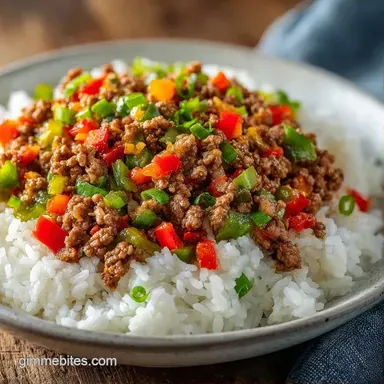
Beef Skillet: Hearty and Filling
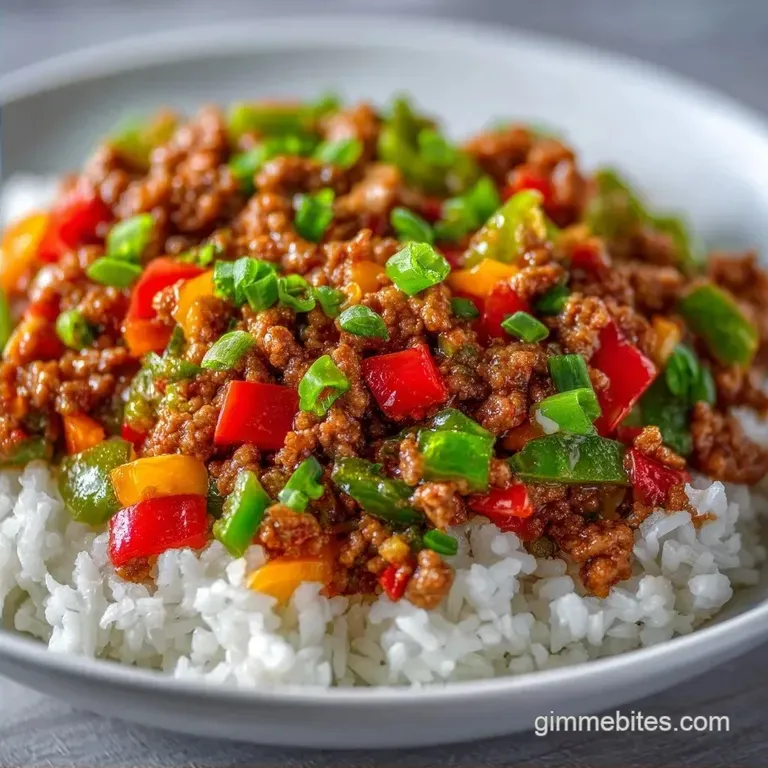
- Time: 10 min active + 30 min cook
- Flavor/Texture Hook: Velvety melted cheese and a savory, browned beef crust
- Perfect for: Busy weeknight family dinners or beginner cooks
- Simple Beef Skillet for Busy Weeknights
- How the Textures Come Together
- Essential Beef Skillet Specs
- The Ingredient Deep Dive
- Gathering Your Essentials
- Tools for the Job
- Simple Cooking Steps
- Tips to Avoid Mistakes
- Troubleshooting Common Issues
- Adjusting the Portion Size
- Truth About Skillet Cooking
- Storing and Reheating
- Serving Your Meal
- Critical Sodium Level
- Recipe FAQs
- 📝 Recipe Card
Simple Beef Skillet for Busy Weeknights
That sound of beef hitting a hot pan is the best part of my Tuesday nights. It’s that aggressive sizzle that tells me dinner is actually happening, even if the kids are still arguing over homework and the dog is staring at me with hope in his eyes.
This isn't a fancy meal, but it's the kind of food that makes a house feel like a home. It's warm, filling, and smells like a hug in a pan.
I used to make the mistake of stirring the meat too much, which just steamed the beef instead of browning it. Once I learned to just leave it alone for a few minutes, the whole flavor profile shifted.
Now, this Beef Skillet is the go to when I don't have the energy for three different pots but still want something that feels like a proper meal.
You can expect a dish that is creamy from the cheese but has a nice bite from the long grain rice. It’s a reliable, hearty meal that doesn't require a culinary degree to pull off. We're keeping things simple here, focusing on a few key steps that make a big difference in the final taste.
How the Textures Come Together
Fat Toasting: Cooking the rice in beef drippings before adding liquid coats the grains in fat. This prevents them from clumping together and adds a nutty depth.
Crust Formation: Leaving the meat undisturbed creates a brown sear. According to Serious Eats, this process creates complex flavor compounds that you just can't get from boiling or steaming meat.
Liquid Absorption: Simmering with a tight lid traps steam, ensuring the rice cooks evenly. The starch from the rice slightly thickens the beef broth and tomato juice into a cohesive sauce.
Cheese Binding: Adding the cheddar at the very end off the heat prevents the cheese from breaking or becoming oily. It creates a velvety fold that holds the beef and rice together.
| Fresh Ingredients | Shortcut Options | Impact on Dish | Savings |
|---|---|---|---|
| Fresh diced onion | Onion powder | Loss of texture and sweetness | $1.00 |
| Diced bell pepper | Frozen pepper mix | Slightly softer texture | $0.50 |
| Fresh parsley | Dried parsley | Less brightness, more muted flavor | $0.75 |
Essential Beef Skillet Specs
The key to a great Beef Skillet is the balance between the lean meat and the moisture from the tomatoes and broth. Using 90% lean beef ensures we have enough flavor without the pan becoming a pool of grease, which would make the rice feel heavy.
When you're timing this, remember that the 30 minutes of cooking is mostly passive. Once the lid goes on, you can actually step away and breathe for a bit. It's the perfect window to clear the table or pour a glass of water.
For those who love a good meal prep, this recipe holds up surprisingly well. While the rice continues to absorb liquid over time, a splash of water during reheating brings it right back to life. It's a comforting option that stays hearty even on day three.
The Ingredient Deep Dive
| Ingredient | Science Role | Pro Secret |
|---|---|---|
| Ground Beef | Base flavor & fat | Don't crowd the pan or it will steam |
| Long grain Rice | Structure & absorbency | Toast for 2 mins for better flavor |
| Beef Broth | Hydration & salt | Use low sodium to control the seasoning |
| Sharp Cheddar | Emulsifier & richness | Grate your own for a smoother melt |
Gathering Your Essentials
For this Beef Skillet, you'll need a few pantry staples and some fresh produce. I highly recommend using a sharp cheddar; the acidity of the "sharp" variety cuts through the richness of the beef.
- 1 lb (450g) lean ground beef (90% lean) Why this? Less grease means the rice absorbs the broth better
- 1 medium yellow onion, finely diced Why this? Provides a sweet, aromatic base
- 3 cloves garlic, minced Why this? Essential for depth
- 1 bell pepper, diced Why this? Adds color and a slight pepperiness
- 2 tbsp olive oil Why this? Prevents sticking and helps searing
- 1 cup (185g) long grain white rice, uncooked Why this? Holds its shape better than short grain
- 2 cups (475ml) low sodium beef broth Why this? Adds a rich, salty foundation
- 1 can (14.5 oz/411g) diced tomatoes, undrained Why this? Adds acidity and moisture
- 1 tbsp Worcestershire sauce Why this? Adds umami and tang
- 1 tsp smoked paprika Why this? Gives a hint of wood fire flavor
- 1 tsp dried oregano Why this? Earthy herb notes
- 1/2 tsp salt Why this? Basic flavor enhancer
- 1/4 tsp black pepper Why this? Mild heat
- 1 1/2 cups (170g) shredded sharp cheddar cheese Why this? Strong flavor that doesn't get lost
- 2 tbsp fresh parsley, chopped Why this? Fresh finish to cut the richness
| Original Ingredient | Substitute | Why It Works |
|---|---|---|
| Long grain Rice | Brown Rice | More fiber. Note: Requires more broth and 20 extra mins cook time |
| Beef Broth | Chicken Broth | Lighter taste. Note: Less "beefy" depth |
| Sharp Cheddar | Monterey Jack | Melts easier. Note: Milder flavor than cheddar |
| Bell Pepper | Frozen Peas | Similar color. Note: Add at the end to avoid mushiness |
Tools for the Job
You don't need a kitchen full of gadgets for this. The beauty of a Beef Skillet is that it's designed for minimal tools.
First, you need a 12 inch deep skillet. Make sure it has a tight fitting lid. If your lid is loose, the steam escapes, the rice stays hard, and you'll end up with a burnt bottom. A cast iron skillet works great here because it holds heat evenly, but a stainless steel pan is just as good.
A sturdy wooden spoon or a silicone spatula is essential for breaking up the meat and scraping the brown bits off the bottom. Those brown bits, often called "fond," are where the most flavor lives. If you're feeling fancy, a microplane for the garlic makes the prep go faster.
Simple Cooking Steps
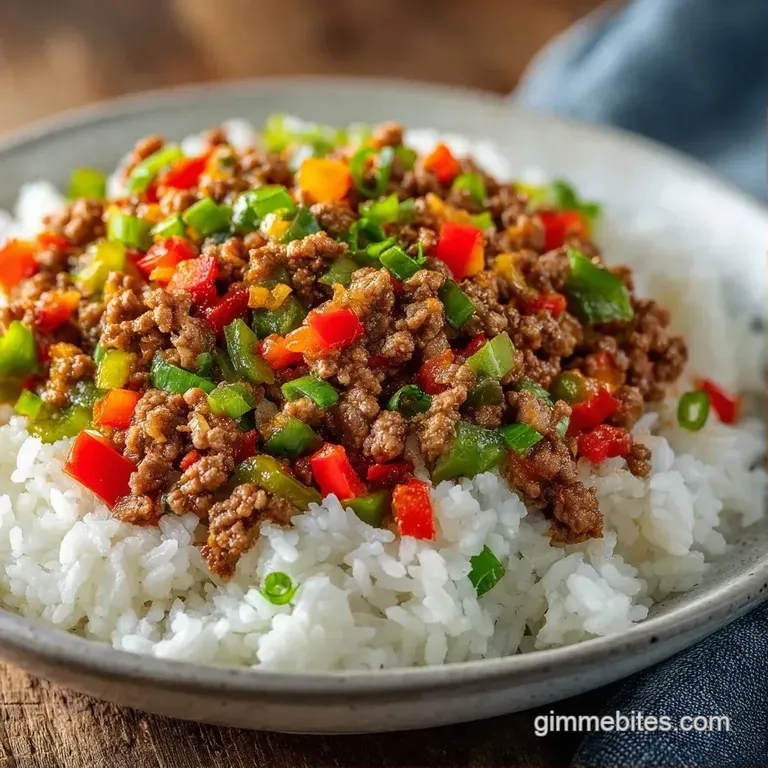
- Heat olive oil in a 12 inch deep skillet over medium high heat. Note: Wait until the oil shimmers to ensure a good sear.
- Add ground beef and spread it in an even layer. Leave undisturbed for 3-4 minutes until a brown crust forms.
- Break the beef apart and stir in the diced onion and bell pepper. Sauté for 5 minutes until vegetables are softened.
- Stir in the minced garlic, smoked paprika, oregano, salt, and pepper; cook for 60 seconds until fragrant.
- Pour in the uncooked rice. Stir and cook for 2 minutes until the rice looks slightly toasted.
- Pour in the beef broth, diced tomatoes with juice, and Worcestershire sauce.
- Bring the mixture to a boil, then immediately reduce heat to low.
- Cover with a tight fitting lid and simmer for 18-20 minutes until the liquid is absorbed and rice is tender.
- Remove the pan from the heat. Stir in shredded sharp cheddar cheese until melted and cohesive. Garnish with chopped fresh parsley.
Chef's Note: If you're using a cast iron pan, be careful when adding the broth; it will hiss and steam quite a bit. Just keep stirring and you'll be fine.
Tips to Avoid Mistakes
One of the most common issues with a Beef Skillet is the texture of the rice. If you stir the pan while it's simmering, you release too much starch, and the rice becomes gummy. Trust the lid and leave it alone.
Another thing to watch for is the "grey meat" effect. This happens when you put too much meat in a pan that isn't hot enough. The meat releases juice, boils in its own liquid, and turns a dull grey. To avoid this, make sure your pan is hot and don't crowd the surface. For a similar over high heat technique, you can look at how to make a pan seared burger.
Troubleshooting Common Issues
| Issue | Solution |
|---|---|
| Why Your Rice Is Mushy | This usually happens because of too much liquid or too much stirring. If the rice feels like porridge, you might have used a rice variety that is too starchy or didn't let the liquid reduce fully. |
| Why Your Beef Is Grey | This is a temperature issue. If the pan isn't hot enough, the meat steams. You want to hear a loud sizzle the second the beef hits the oil. |
| Why the Cheese Separated | If you keep the heat on high while adding cheese, the fat separates from the solids, leaving you with an oily mess. Always remove the pan from the burner first. |
Common Mistakes Checklist
- ✓ Didn't stir the beef for the first 4 minutes
- ✓ Used a lid that actually seals the steam
- ✓ Toasted the rice before adding liquid
- ✓ Removed from heat before adding cheese
- ✓ Used 90% lean beef to avoid excess oil
Adjusting the Portion Size
If you're cooking this Beef Skillet for just yourself or a huge crowd, you can't just double everything blindly. The surface area of your pan matters more than you think.
For a half batch, use a smaller 8 or 10 inch skillet. Reduce the simmer time by about 20%, as a smaller volume of liquid evaporates faster. If the recipe calls for one egg in a different version, beat one and use half, but since we use broth here, just halve the measurements exactly.
When doubling the recipe, don't just double the spices. I recommend increasing salt and paprika to about 1.5x the original amount. Liquids should be reduced by about 10% because a larger pot traps more steam. Most importantly, work in batches when browning the beef.
If you put 2 lbs of meat in one pan, it will definitely steam and turn grey.
If you're looking for other ways to use ground beef in bulk, my quick ground beef pasta is another great option for feeding a crowd.
Truth About Skillet Cooking
Some people claim that you have to sear meat to "seal in the juices." This is a myth. Moisture loss happens regardless of whether you sear the meat or not. The real reason we sear the beef in this Beef Skillet is for the flavor. The browning creates a crust that adds a deep, savory taste.
Another common misconception is that you must rinse your rice to remove "excess starch" for every recipe. While rinsing helps in some dishes, toasting the rice in fat as we do here actually benefits from a bit of that surface starch, as it helps the beef drippings cling to the grain.
Finally, don't believe the idea that you need a professional grade pan for this. A basic non stick or stainless steel skillet works just as well as a fancy copper one. The technique is what matters, not the brand of the pan.
Storing and Reheating
This Beef Skillet is a powerhouse for leftovers. Store it in an airtight container in the fridge for up to 4 days. Because of the rice, it will thicken up as it cools, becoming almost like a casserole.
For the freezer, you can keep this for up to 3 months. I recommend freezing it in individual portions. When you're ready to eat, thaw it in the fridge overnight. Reheat it in a skillet over medium low heat with a tablespoon of water or beef broth. This loosens the rice and makes the cheese velvety again.
To keep things zero waste, don't toss your vegetable scraps. The onion ends and bell pepper seeds can go into a freezer bag for homemade stock. Also, if you have a bit of tomato juice left in the can, stir it into the pan. It contains a lot of flavor and helps the rice cook.
If you have leftover shredded cheese, freeze it in a small bag to prevent it from molding.
Serving Your Meal
The way you plate this Beef Skillet can change the whole vibe of the dinner. For a casual family night, I just put the skillet right in the center of the table on a heat proof mat and let everyone scoop their own. It's rustic and cozy.
If you want to make it feel a bit more special, scoop the mixture into wide bowls and top with an extra sprinkle of fresh parsley. The bright green against the deep browns and oranges of the beef and cheese makes the dish pop visually.
For a side, I love serving this with a simple side salad or some sourdough buns to soak up any extra sauce. The crunch of the bread balances the softness of the rice and cheese. Just make sure the parsley is added at the very last second so it stays vibrant and doesn't wilt from the heat.
Critical Sodium Level
1145 mg 1,145 mg of sodium per serving (50% 50% of daily value)
The American Heart Association recommends a daily sodium limit of no more than 2,300 mg for most adults to reduce the risk of cardiovascular disease.
Ways to Lower Sodium in This Recipe
-
Swap the Broth-30%
Replace the low-sodium beef broth with water or home-made unsalted beef stock to significantly cut down on hidden salts.
-
Omit Added Salt-25%
Completely remove the 1/2 tsp of salt from the recipe; the other ingredients provide enough flavor to compensate.
-
Choose No-Salt Tomatoes-20%
Use no-salt added diced tomatoes instead of standard canned tomatoes to avoid the sodium used in processing.
-
Substitute the Sauce-20%
Replace Worcestershire sauce with a splash of balsamic vinegar and extra black pepper for a similar tangy depth without the sodium.
-
Reduce the Cheese-15%
Use half the amount of sharp cheddar or switch to a Swiss cheese, which is naturally lower in sodium.
-
Boost the Aromatics
Increase the amount of smoked paprika, dried oregano, and fresh parsley to enhance flavor without adding any salt.
Recipe FAQs
What is the best beef to use for this skillet?
Use 90% lean ground beef. This ensures the dish remains hearty without becoming overly greasy.
What kind of skillet is best for cooking ground beef?
A 12 inch deep skillet is ideal. The wide surface area prevents crowding, which is essential for developing a brown crust.
Should I brown ground beef in butter or oil?
Olive oil is the better choice. It has a higher smoke point than butter, allowing the beef to sear properly over medium high heat.
Is it true that ground beef always turns grey when browned?
No, this is a common misconception. Grey meat occurs when the pan is too cold or overcrowded; using a hot skillet ensures a rich brown color.
How to prevent the rice from becoming gummy in a beef skillet?
Leave the pan undisturbed while simmering. Stirring releases excess starch, so keep the lid tight and let the rice absorb the liquid on its own.
How to reheat leftover beef skillet?
Warm in a skillet over medium low heat with a tablespoon of beef broth. This loosens the rice and restores the velvety texture of the cheddar cheese.
What are some other ways to prepare ground beef for a quick meal?
Explore different flavor profiles like sweet and savory. If you enjoyed the efficiency of this one-pan meal, see how the same speed works in our Korean ground beef.
Beef Skillet With Rice