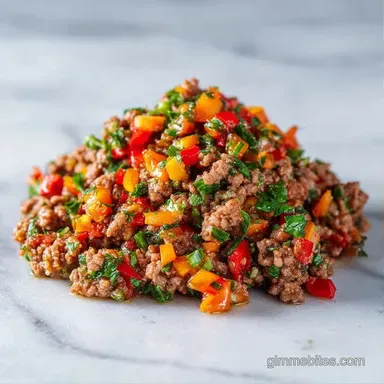
Basic Beef Skillet Recipe: Hearty and Savory
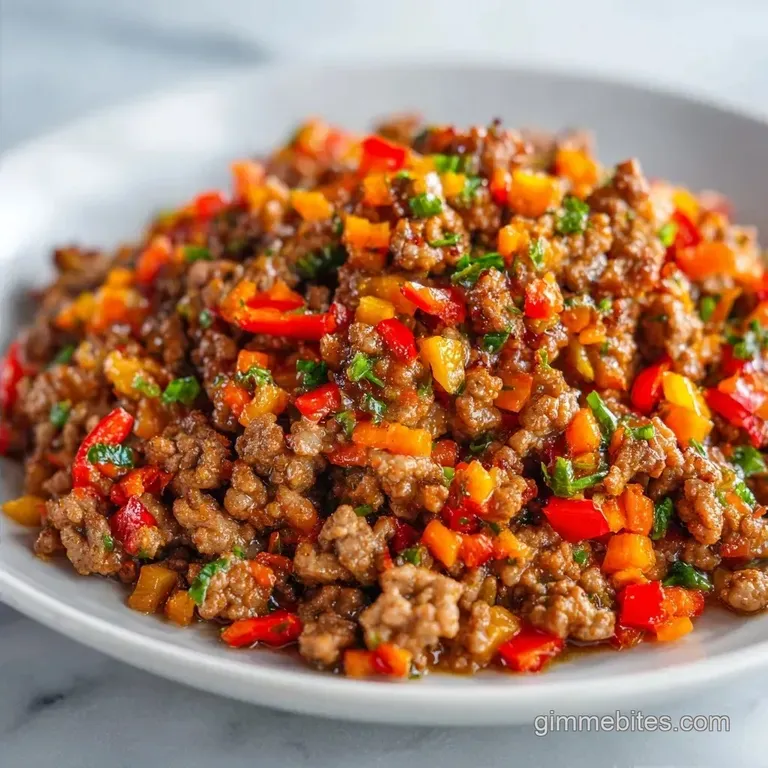
- Time:10 minutes prep + 20 minutes cooking
- Flavor/Texture Hook: Hearty beef with a savory, velvety glaze and tender crisp vegetables
- Perfect for: Family weeknight dinners and beginner friendly meal prep
The loud, aggressive sizzle of ground beef hitting a smoking hot cast iron pan is, for me, the sound of a Tuesday night win. I remember one particular evening a few years back when the kids were practically vibrating with hunger and I had exactly thirty minutes before soccer practice.
I didn't have the patience for a roast or the time for a complex stew, so I just threw everything into my biggest skillet.
That night, I realized that the secret isn't in the complexity of the ingredients, but in the order they hit the heat. I used to just brown the meat and toss the veggies in all at once, which left the carrots hard and the beef gray.
Once I started searing the beef first to get that deep brown crust and then "sweating" the aromatics in the leftover fat, everything changed.
This Basic Beef Skillet Recipe is the result of those chaotic weeknights. It's a stick to your ribs kind of meal that doesn't require a mountain of dishes. We're talking about a one pan wonder that manages to be hearty and filling while sneaking in a good amount of greens and root vegetables. Trust me, it's the kind of meal that makes everyone actually sit down at the table without complaining.
Easy Basic Beef Skillet Recipe Guide
The goal here is to create a meal that feels like it spent all day on the stove, but actually comes together in a flash. When you're making this Basic Beef Skillet Recipe, you're looking for a balance between the richness of the beef and the brightness of the vegetables. It's all about building layers.
Right then, let's talk about the flow. Most people rush the browning process, but that's where the soul of the dish lives. If you stir the meat too much, it steams instead of searing. You want that beef to develop a dark, crusty exterior. That's what gives the final sauce its depth and that classic comfort food vibe.
Once you've got your beef browned and your vegetables tender, the beef broth and tomato paste create a silky coating that ties everything together. It's a simple method, but it works every time because it respects the ingredients. Let's crack on with the details.
Why This Meal Works
I've always been curious about why some one pan meals taste "flat" while others taste rich. It usually comes down to a few basic principles of heat and moisture. Here is the breakdown of why this specific method delivers such a hearty result:
- The Sear Factor: Leaving the beef undisturbed for a few minutes allows the proteins to brown deeply. For more on the physics of searing, Serious Eats has a great breakdown of how heat creates flavor.
- Sequential Sautéing: Adding carrots and onions after the meat ensures the vegetables soften without becoming mushy or boiling in the beef juices.
- Fond Recovery: Using beef broth to scrape the bottom of the pan releases the "fond," which are the browned bits of meat and fat that hold the most concentrated flavor.
- Residual Wilt: Folding in the spinach at the very end uses the remaining pan heat to soften the leaves without turning them into a dark, soggy mess.
Depending on how you like your dinner, you might wonder if you should move this to the oven. I've tried both, and while the oven is great for large batches, the stovetop is king for texture.
| Method | Time | Texture | Best For |
|---|---|---|---|
| Stovetop | 20 minutes | Crispy beef, snappy veg | Quick weeknight meals |
| Oven Baked | 40 minutes | Tender, uniform heat | Large family gatherings |
| Slow Cooker | 6 hours | Very soft, stew like | Set and forget mornings |
Component Analysis
To get this Basic Beef Skillet Recipe right, you need to understand what each part of the pan is doing. It's not just about filling the skillet; it's about how the ingredients interact.
| Ingredient | Science Role | Pro Secret |
|---|---|---|
| Lean Ground Beef | Base Protein | Don't over stir to keep the crust intact |
| Tomato Paste | Umami Booster | Sauté it for a minute to remove the "raw" tin taste |
| Beef Broth | Deglazing Agent | Use low sodium so you can control the salt yourself |
| Smoked Paprika | Aroma/Color | Bloom it in oil to unlock the smoky notes |
This combination creates a savory base that can handle almost any vegetable you throw at it. The tomato paste acts as a thickener and a flavor bridge between the heavy meat and the light greens.
The Shopping List
For this recipe, I recommend 90% lean beef. If you go too fatty, you'll spend more time draining grease than actually cooking. If you go too lean, you lose some of that velvety mouthfeel.
The Core Ingredients: 1 lb (450g) lean ground beef (90% lean) Why this? Balances flavor with less greasy runoff 1 medium yellow onion, finely diced Why this? Provides a sweet, aromatic base 3 cloves garlic, minced Why this? Essential punch of flavor 1 tbsp olive oil Why this? High smoke point for sautéing 2 cups (approx.
250g) carrots, diced small Why this? Adds sweetness and a bit of bite 1 medium red bell pepper, diced Why this? Adds color and a mild pepperiness 2 cups fresh baby spinach or kale, chopped Why this? Quick hit of nutrients and color 1 cup (150g) frozen peas, thawed Why this? Pop of sweetness and texture 2 tbsp tomato paste Why this? Deepens the color and adds richness 1/2 cup (120ml) low sodium beef broth Why this? Creates the pan sauce 1 tsp smoked paprika Why this? Adds a subtle woody, campfire depth 1/2 tsp dried oregano Why this? Earthy herbal note Salt and black pepper to taste
Smart Substitutions:
| Original Ingredient | Substitute | Why It Works |
|---|---|---|
| Lean Ground Beef | Ground Turkey (93%) | Leaner alternative. Note: Lacks beefy depth, add extra paprika |
| Baby Spinach | Chopped Kale | Heartier green. Note: Needs 2 mins longer to soften |
| Beef Broth | Chicken Broth | Lighter flavor. Note: Less rich, but still works well |
| Red Bell Pepper | Yellow or Orange Pepper | Similar flavor profile. Note: Slightly sweeter notes |
If you find yourself with extra time and want a more indulgent version, you can check out my cheesy ground beef dinner for a version that's even more comfort focused.
Cooking Flow
Let's get into the actual process. The key here is timing. You don't want your garlic burning while your carrots are still raw. Follow these steps for a Basic Beef Skillet Recipe that tastes consistent every single time.
- Sear the beef. Heat your skillet over medium high heat. Add the ground beef, breaking it into large chunks. Let it sit undisturbed for 3-4 minutes until a dark brown crust forms, then stir until fully cooked. Drain any excess fat. Note: This creates the flavor base.
- Sauté the base veg. Push the beef to the edges of the pan. Add the olive oil to the center, followed by the diced onions and carrots. Sauté for 5 minutes until the onions are translucent and the carrots have softened slightly.
- Fragrance boost. Stir in the minced garlic and cook for 60 seconds until it smells fragrant but hasn't turned brown.
- Bloom the spices. Stir in the tomato paste, smoked paprika, and oregano. Mix well, coating the meat and vegetables for about 1-2 minutes. Note: This "toasts" the spices.
- Deglaze and simmer. Pour in the beef broth, scraping the bottom of the pan with a wooden spoon to release the browned bits. Stir in the bell peppers and peas, simmering for 5 minutes until the liquid reduces slightly.
- The final fold. Fold in the spinach at the final second, stirring just until the leaves are wilted and glossy.
Chef's Tip: To get an even deeper flavor, try adding a teaspoon of Worcestershire sauce or a splash of soy sauce when you add the beef broth. It adds a layer of salty umami that makes the dish taste like it's been simmering for hours.
Fixing Common Problems
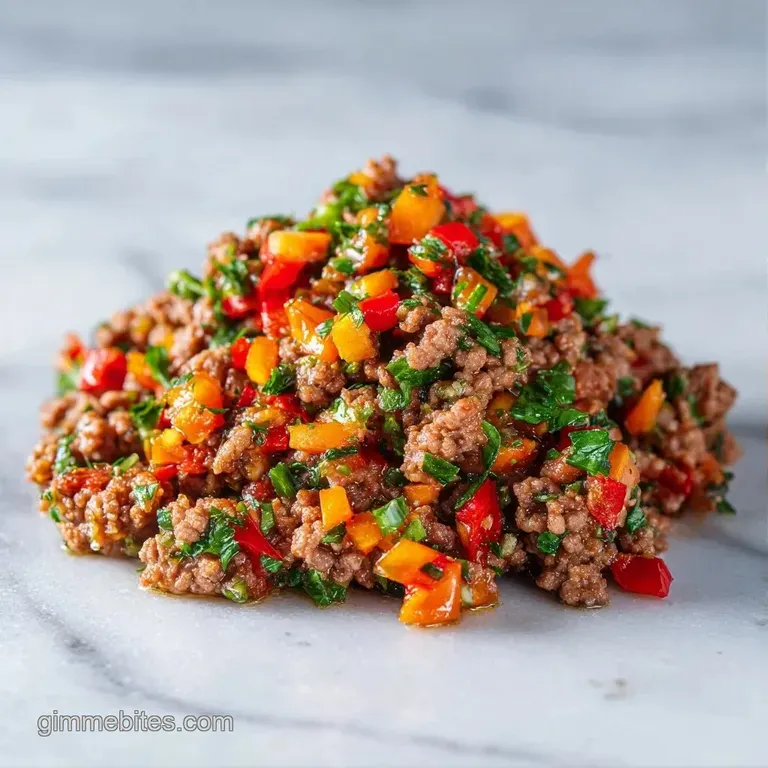
Even with a Basic Beef Skillet Recipe, things can occasionally go sideways. Usually, it's a matter of heat management or liquid ratios.
Troubleshooting Common Issues
| Issue | Solution |
|---|---|
| Why Your Beef Is Gray | If your meat looks gray instead of brown, you've likely overcrowded the pan or stirred too early. This causes the beef to release moisture and boil in its own juices rather than searing. |
| Why Your Sauce Is Too Thin | A watery sauce usually happens if the broth didn't have enough time to reduce or if you added too many watery vegetables. |
| Why Your Veggies Are Mushy | Adding the spinach or peas too early is the most common culprit. These vegetables only need a minute or two of heat. If you cook them for the full 20 minutes, they'll lose their color and structure. |
Common Mistakes Checklist:
- ✓ Avoid stirring the beef immediately after it hits the pan.
- ✓ Ensure you scrape the bottom of the pan after adding broth.
- ✓ Do not overcook the spinach; fold it in at the very end.
- ✓ Use a medium high heat to ensure the vegetables sauté rather than steam.
- ✓ Drain the beef fat before adding the olive oil and onions.
Adjusting the Portion Size
Whether you're cooking for a solo night or a crowd, this Basic Beef Skillet Recipe is pretty flexible. However, you can't just double everything blindly.
Scaling Down (Half Batch): If you're making a half portion, use a smaller skillet (about 10 inches). Because there's less meat in the pan, it will brown faster, so reduce your searing time by about 20%.
Be careful with the broth; you might need slightly less than half (about 1/4 cup) because evaporation happens faster in smaller quantities.
Scaling Up (Double or Triple Batch): When doubling the recipe, do not simply double the salt and spices. Start with 1.5x the amount of smoked paprika and oregano, then taste and adjust at the end. The biggest risk here is overcrowding. If you put 2 lbs of beef in one pan, it will steam and turn gray.
Work in batches: brown the beef in two turns, remove it from the pan, and then cook your vegetables before combining everything at the end.
A Quick Decision Shortcut: If you want a thicker, heartier meal, serve it over mashed potatoes. If you want it lighter, replace the carrots with diced zucchini. If you want a kick, add 1/2 tsp of red pepper flakes with the garlic.
Debunking Skillet Myths
There are a few things people say about ground beef that just aren't true. Let's set the record straight for this Basic Beef Skillet Recipe.
Myth: Searing "seals in" the juices. You'll hear this a lot, but it's a lie. Searing doesn't create a waterproof barrier. In fact, meat loses more moisture when seared at high heat. We sear for the flavor and the crust, not to keep the meat "juicy."
Myth: You must use the leanest beef possible. While 90% lean is great for this recipe to avoid a grease slicked pan, going 99% lean can make the meat dry and crumbly. A little bit of fat is necessary for the mouthfeel and for sautéing the vegetables.
Myth: You can't freeze a skillet meal. Actually, this recipe freezes beautifully. Since the vegetables are cooked but not pulverized, they hold up well. Just be sure to let it cool completely before sealing.
Storage Guidelines
To keep your Basic Beef Skillet Recipe fresh, store it in an airtight container in the fridge for up to 4 days. When reheating, I recommend adding a tablespoon of water or beef broth to the pan over medium heat. This loosens the sauce and prevents the beef from drying out.
For the freezer, this lasts about 3 months. Place it in a freezer safe bag, squeezing out as much air as possible to avoid freezer burn. Thaw it in the fridge overnight before reheating on the stovetop.
Zero Waste Tips: Don't throw away your vegetable scraps! Keep your onion skins, carrot peelings, and the ends of your bell peppers in a bag in the freezer. Once the bag is full, simmer them with water for a few hours to make a homemade vegetable stock.
You can use that stock as a replacement for the beef broth in this recipe for a slightly lighter, garden fresh taste.
Serving Suggestions
The way you present this Basic Beef Skillet Recipe can change the whole vibe of the meal. Since it's a one pan dish, you can actually serve it right out of the skillet for a rustic, family style feel. Just make sure your skillet has a nice handle and a trivet for the table.
I love serving this alongside some toasted sourdough buns to soak up the savory sauce. The crunch of the toasted bread pairs beautifully with the velvety texture of the beef. If you want a fresher side, a simple arugula salad with a lemon vinaigrette cuts through the richness of the meat perfectly.
For a more filling version, you can stir in a cup of cooked brown rice or quinoa at the very end. This turns the skillet into a complete bowl meal that's even more satisfying. Just remember to add an extra splash of broth if the rice absorbs too much of the sauce.
Whatever you choose, the heartiness of the beef ensures no one leaves the table hungry.
Recipe FAQs
What dinner can I make with ground beef?
This Basic Beef Skillet is a perfect option. It is a fast, one-pan meal using lean beef and fresh vegetables that is ready in 30 minutes.
Why is my ground beef gray instead of brown?
You likely overcrowded the pan or stirred too early. This causes the beef to release moisture and boil in its own juices rather than searing.
How to prevent the vegetables from becoming mushy?
Add the spinach and peas at the final second. These vegetables only need a minute or two of heat to remain glossy and avoid overcooking.
Can I vary the seasonings for a different flavor?
Yes, you can easily swap the herbs and spices. If you enjoyed the fast searing technique here, try it in our Korean ground beef for a savory, ginger soy profile.
How to store and reheat the leftovers?
Store in an airtight container in the fridge for up to 4 days. Reheat in a pan over medium heat with a tablespoon of beef broth to keep the meat moist.
How to prevent the sauce from being too thin?
Simmer the mixture longer to allow the beef broth to reduce. A watery sauce usually happens when the liquid isn't reduced enough or too many watery vegetables are used.
Is it true that stirring the beef immediately after adding it to the pan is best?
No, this is a common misconception. Let the meat sit undisturbed for 3-4 minutes to form a brown crust, which creates the essential depth of flavor for the dish.
Basic Beef Skillet Recipe