Flaky Halibut Taco Recipe with Adobo Cream
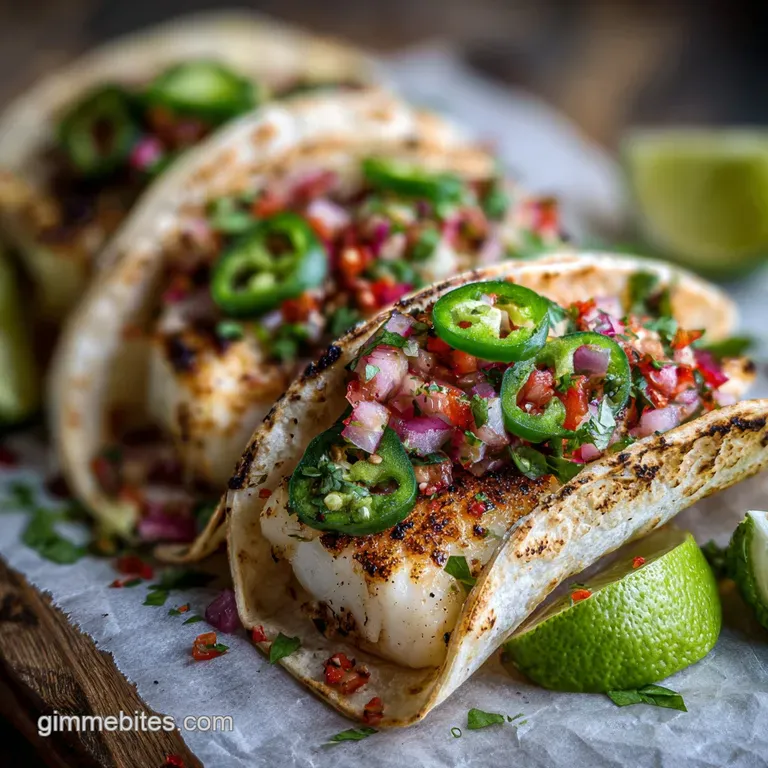
- Time: Active 15 minutes, Passive 8 minutes, Total 23 minutes
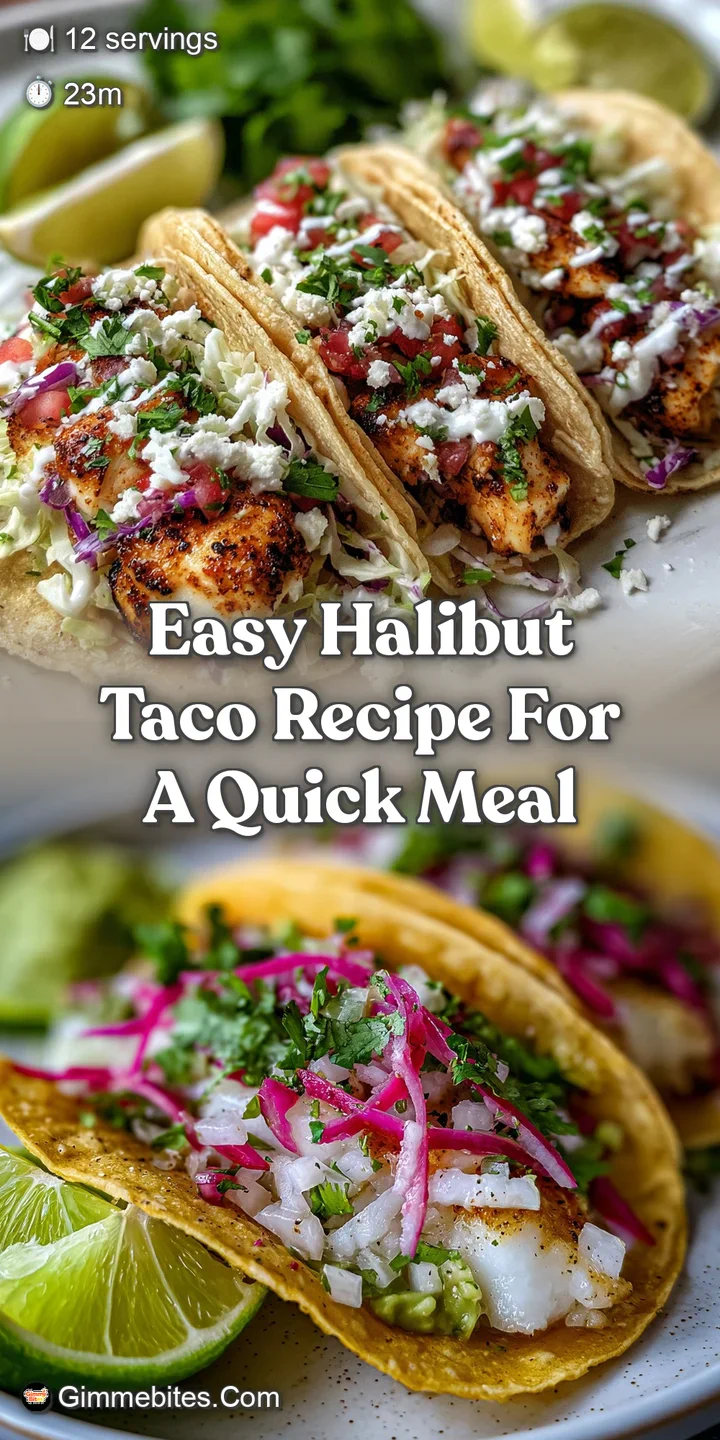
- Flavor/Texture Hook: Flaky, sizzled halibut paired with a velvety adobo cream and shattering cabbage crunch
- Perfect for: Busy weeknights where you need a healthy, stick to your ribs meal that feels like a coastal treat
- Hearty and Reliable Halibut Taco Recipe
- The Science of Searing Fresh Fish
- Stovetop Versus Oven Cook Methods
- Analyzing Key Components and Roles
- Choosing Fresh Ingredients and Substitutes
- Necessary Tools for Better Results
- Clear Instructions for Perfect Tacos
- Fixing Common Fish Cooking Mistakes
- Simple Ways to Vary Flavor
- Smart Storage and Reheating Guidelines
- Reliable Sides and Pairings
- Recipe FAQs
- 📝 Recipe Card
Hearty and Reliable Halibut Taco Recipe
The first time I tried making a halibut taco recipe at home, I was terrified of ruining such a beautiful, pricey piece of fish. I remember standing over the pan, watching the white fillets sizzle in the oil, and praying they wouldn't turn into a rubbery mess.
But once that aroma of smoked paprika and cumin hit the air, I knew I was onto something special. The halibut eventually yielded to my spatula, flaking into big, meaty chunks that looked exactly like the ones from my favorite seaside shack.
It's a meal that has now become a staple in our house because it's reliable. You don't need a deep fryer or a complicated setup to get that restaurant quality finish. We're talking about simple, honest ingredients coming together to make something that feels much more fancy than it actually is.
It's the kind of dinner where everyone builds their own, and the kitchen table gets a bit messy, but the plates always come back empty.
We've learned a few tricks over the years, like how a quick dry brine makes the fish hold its shape or why a dollop of honey in the slaw changes everything. This isn't just another fish taco; it's a balanced, hearty meal that satisfies that craving for something fresh yet filling.
Trust me on this, once you hear that fish hit the hot pan and smell the spices blooming, you'll realize why this is our go to for a quick weeknight win.
The Science of Searing Fresh Fish
Understanding how fish reacts to heat is the secret to getting those perfect, flaky results every single time you cook.
- Maillard Reaction: High heat transforms the proteins and sugars on the surface of the halibut, creating a savory brown crust that adds depth without needing a heavy batter.
- Protein Denaturation: As the halibut reaches 130°F, the connective tissues break down, allowing the muscle fibers to separate into those signature thick flakes.
- Osmotic Balance: Adding salt to the slaw draws out excess moisture from the cabbage, ensuring the taco stays crunchy rather than turning into a soggy mess.
Stovetop Versus Oven Cook Methods
Choosing the right method depends on how much time you have and how many people you are feeding. While the stovetop gives the best crust, the oven is much more reliable for larger groups.
| Method | Time | Texture | Best For |
|---|---|---|---|
| Stovetop | 8 minutes | Golden, crispy edges | Quick weeknight dinners for four |
| Oven | 12 minutes | Evenly moist and tender | Feeding a crowd or meal prep |
| Air Fryer | 10 minutes | Very firm and "fried" feel | Small batches with minimal cleanup |
Cooking fish on the stove is my personal favorite because I love that initial sizzle. If you find yourself cooking for more than four people, though, the oven is the way to go so you aren't standing over the stove in batches. For a side that pairs beautifully with either method, you might want to try a recipe for crack green beans to add even more color to the plate.
Analyzing Key Components and Roles
Every ingredient in this dish serves a specific purpose, from providing structural integrity to balancing the heavy fats with bright acidity.
| Ingredient | Science Role | Pro Secret |
|---|---|---|
| Halibut Fillets | Main Protein | Pat completely dry to prevent steaming in the pan. |
| Avocado Oil | Heat Transfer | Use this for its high smoke point to get a better sear. |
| Lime Juice | Protein Denaturant | Adds brightness and helps "cook" the surface of the fish. |
| Greek Yogurt | Emulsifier | Provides a creamy base for the sauce without the heavy fat of mayo. |
Using a high-quality oil is non negotiable here. I usually reach for avocado oil because it can handle the high heat required to get that halibut taco recipe crust without smoking up the whole kitchen. It keeps the flavor of the fish clean and doesn't leave a greasy aftertaste.
Choosing Fresh Ingredients and Substitutes
Finding the right fish is half the battle, but don't worry if your local market is out of halibut. There are plenty of reliable swaps that still feel hearty.
- 1.5 lbs Fresh Halibut fillets: The star of the show, known for its mild flavor and firm texture. Why this? It holds its shape better than thinner white fish during a over high heat sear.
- Substitute: Cod or Mahi Mahi. Note: Cod is more delicate and may flake more easily.
- 1 tbsp Avocado oil: A neutral oil that won't burn at high temperatures. Why this? Essential for achieving the Maillard reaction without bitter burnt flavors.
- Substitute: Grapeseed oil or light olive oil.
- 0.5 cup Plain Non fat Greek Yogurt: The base for our zesty sauce. Why this? Offers a tang that cuts through the richness of the avocado.
- Substitute: Sour cream or Mexican Crema. Note: Crema is thinner and more decadent.
- 12 Small corn tortillas: The traditional vessel for any good taco. Why this? Provides a sturdy, earthy base that complements the mild fish.
- Substitute: Flour tortillas. Note: Flour is softer but lacks that classic corn aroma.
- 1 tsp Adobo sauce: Adds smoke and a hint of heat. Why this? It provides a deep, "cooked all-day" flavor in seconds.
- Substitute: Smoked paprika mixed with a little water.
If you find that the adobo sauce isn't giving you enough of a kick, you can actually use a spoonful of a Cajun Cream Sauce recipe as a topping instead. It brings a completely different, spicy profile to the dish that works surprisingly well with the halibut.
Necessary Tools for Better Results
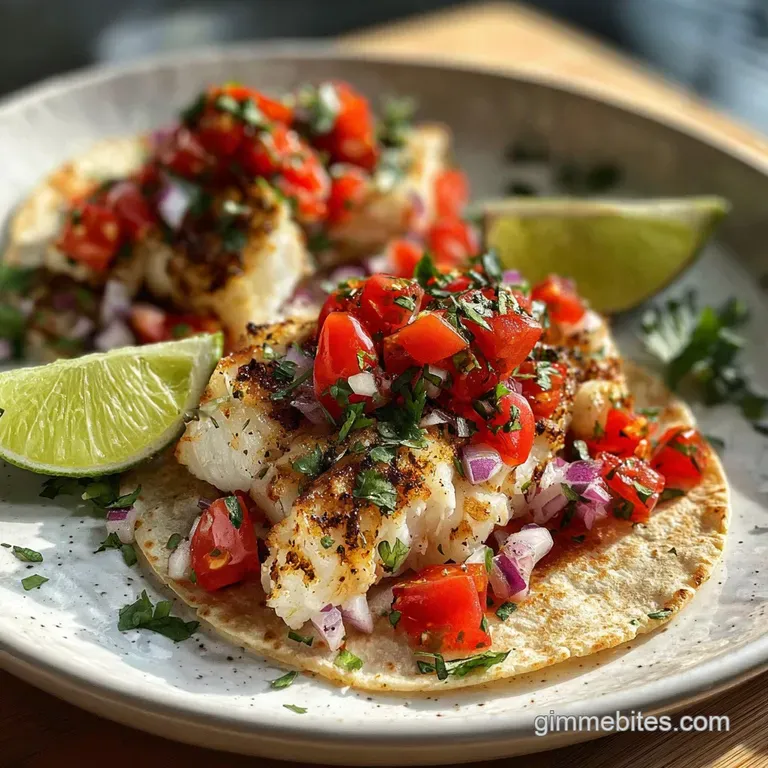
You don't need a professional kitchen, but a few specific tools make this halibut taco recipe much easier to manage.
- Cast Iron Skillet: This is my go to for getting that reliable crust. It holds heat better than stainless steel, meaning the temperature won't drop when you add the cold fish.
- Fish Spatula: These are thinner and more flexible than regular spatulas. It allows you to get under the delicate halibut without tearing the flesh.
- Mandoline Slicer: If you want that restaurant thin cabbage and radish, this is the tool. Just be careful with your fingers!
- Small Whisk: Essential for getting the Greek yogurt and adobo sauce perfectly smooth and velvety.
Chef's Tip: If you don't have a cast iron skillet, use the heaviest stainless steel pan you own. Avoid thin non stick pans for the fish, as they often don't get hot enough to create a true sear.
Clear Instructions for Perfect Tacos
Step 1: Prep and Season
Pat the 1.5 lbs of halibut fillets completely dry with paper towels. Note: Moisture is the enemy of a good sear. Combine 1 tsp smoked paprika, 1 tsp ground cumin, 0.5 tsp garlic powder, 0.5 tsp sea salt, and 0.25 tsp cayenne pepper in a small bowl.
Rub the spice blend evenly over both sides of the fish.
Step 2: Prepare the Slaw
In a large bowl, toss 3 cups of shredded cabbage with 0.25 cup chopped cilantro, 2 tbsp lime juice, 1 tbsp apple cider vinegar, and 0.5 tsp honey. Wait 10 minutes to let the flavors meld and the cabbage soften slightly.
Step 3: Mix the Sauce
Whisk together 0.5 cup Greek yogurt, 1 tbsp lime juice, 1 tsp adobo sauce, and 1 minced garlic clove until velvety and smooth. Set this aside in the fridge so it stays cold and refreshing.
Step 4: Heat the Skillet
Place your skillet over medium high heat and add 1 tbsp avocado oil. Heat until the oil shimmers and barely begins to smoke.
Step 5: Sear the Halibut
Carefully lay the halibut fillets into the hot oil. Cook for 4 minutes until a dark golden crust forms on the bottom.
Step 6: Flip and Finish
Gently flip the fish using a flexible spatula. Cook for another 3-4 minutes until the fish is opaque and flakes easily with a fork.
Step 7: Rest the Fish
Remove the halibut from the pan and let it rest on a cutting board for 2 minutes. Note: This allows the juices to redistribute so the fish stays moist. Break the fish into large, bite sized chunks.
Step 8: Warm the Tortillas
Heat the 12 corn tortillas in a dry pan over medium heat for 30 seconds per side. Cook until they are soft and slightly charred.
Step 9: Assemble
Layer the warm tortillas with a generous portion of cabbage slaw, followed by several chunks of seared halibut. Top with sliced avocado and radishes.
Step 10: Final Drizzle
Finish each taco with a spoonful of the adobo yogurt sauce and an extra squeeze of fresh lime. Serve immediately while the fish is still hot and the slaw is crisp.
Fixing Common Fish Cooking Mistakes
Cooking fish can be finicky, but most problems have very simple roots. Usually, it comes down to temperature control or patience.
Why Your Fish Sticks
If the fish won't budge when you try to flip it, it's likely not ready yet or the pan wasn't hot enough. Fish naturally "releases" from the pan once the crust has fully formed. If you force it, you'll leave half the fish stuck to the metal.
How to Stop Tortilla Tearing
Corn tortillas are notorious for cracking. This happens because they are dry. Warming them with a tiny bit of steam or directly over a flame hydrates the corn starches, making them pliable enough to hold all those heavy toppings.
| Problem | Root Cause | Solution |
|---|---|---|
| Rubbery texture | Overcooking | Remove fish at 130-135°F internal temp. |
| Soggy tacos | Too much slaw liquid | Use a slotted spoon to serve the slaw. |
| Bland flavor | Under seasoning | Season the fish immediately before it hits the pan. |
Common Mistakes Checklist: ✓ Never skip patting the fish dry; wet fish will steam, not sear. ✓ Don't overcrowd the pan; give the fillets at least an inch of space. ✓ Avoid moving the fish once it hits the oil; let it sit for the full 4 minutes.
✓ Don't skip the rest time; 2 minutes makes a massive difference in juiciness. ✓ Use fresh lime juice rather than the bottled stuff for the best acidity.
Simple Ways to Vary Flavor
One of the best things about a halibut taco recipe is how easily it adapts to what you have in the pantry. You can shift the flavor profile from smoky to spicy with just one or two changes.
Blackened Halibut Style
If you want a more intense crust, double the smoked paprika and add a teaspoon of dried oregano and onion powder to the spice rub. Use a cast iron skillet and a slightly higher heat to get that characteristic dark, flavorful exterior.
This version is fantastic if you like a bit more "stick to your ribs" intensity in your seafood.
Trying Air Fryer Method
For a version that uses even less oil, you can cook the seasoned halibut in the air fryer. Set it to 400°F and cook for about 8-10 minutes. It won't have the same deep sear as the stovetop, but it's incredibly reliable and keeps the fish very moist.
It's a great "hands off" way to get dinner on the table.
Grilled Halibut Variation
During the summer, I love taking this recipe outside. Use thick cut fillets and oil the grill grates heavily. The charcoal adds a reliable smokiness that complements the adobo sauce perfectly. Just make sure the grill is screaming hot before you start.
Smart Storage and Reheating Guidelines
Halibut is best eaten fresh, but you can definitely save leftovers for a hearty lunch the next day. The key is keeping the components separate so nothing gets mushy.
Fridge Storage: Store the cooked fish in an airtight container for up to 2 days. Keep the slaw and the sauce in separate containers; the slaw will actually stay crunchy for about 24 hours. The corn tortillas should stay in their original packaging or a sealed bag at room temperature.
Reheating: To keep the fish from getting rubbery, avoid the microwave if possible. Instead, reheat the chunks in a dry skillet over medium low heat just until warmed through. Alternatively, you can eat the leftover halibut cold in a "taco salad" style bowl with the extra slaw and avocado.
Zero Waste Tip: If you have leftover cabbage and radish scraps, don't toss them! You can quick pickle them in a mixture of equal parts white vinegar and water with a pinch of salt. They'll last a week in the fridge and make a great topping for sandwiches or grilled chicken.
Reliable Sides and Pairings
When I serve these tacos, I like to keep the sides simple so the fresh fish remains the star of the show. A big bowl of cilantro lime rice is a reliable choice that helps stretch the meal further for a hungry family. The rice soaks up any extra adobo sauce and makes the whole plate feel very complete.
If you want something a bit lighter, a simple corn salad with cotija cheese and a sprinkle of chili powder works wonders. The sweetness of the corn balances the heat from the cayenne in the fish seasoning. And honestly, you can't go wrong with some extra tortilla chips and a chunky salsa on the side. It turns a standard weeknight dinner into something that feels like a celebration. For those who want a truly hearty feast, serving these alongside a Braised Mock Tenderloin recipe during a multi course family gathering ensures there is something for everyone on the table.
Recipe FAQs
What is the best oil to use for searing the halibut fillets?
Use an oil with a high smoke point like avocado or grapeseed oil. This allows you to reach the necessary high heat for a proper sear without the oil breaking down and burning.
How can I ensure my corn tortillas don't tear when I fill them?
Warm the tortillas in a dry skillet over medium heat. Heating them hydrates the starches, making them pliable and strong enough to hold the fish and slaw.
How long should I cook the halibut on the first side before flipping?
Cook for 4 minutes until a deep golden crust forms. The fish will naturally release from the pan once the sear is complete; never force it.
Is it true that I must rest the fish after cooking for tacos?
Yes, rest the fish for 2 minutes after searing. This brief rest allows the internal juices to redistribute, ensuring the fish remains moist after you break it into chunks.
How to substitute halibut if it is not available at the market?
Substitute with Cod or Mahi Mahi for reliable results. Both hold up reasonably well to high heat, though Cod is more delicate and may flake more easily, similar to how you might carefully handle ingredients in a Healthy Little Bites recipe.
How can I make the slaw crispier and less watery?
Dress the slaw 10 minutes before serving, then use a slotted spoon. The acid in the dressing draws out excess moisture, but serving it with a slotted spoon leaves excess liquid behind.
How to adapt the spice rub to achieve a heavily blackened flavor?
Double the smoked paprika and add oregano and onion powder to the rub. Use a heavy cast iron skillet on high heat to achieve that dark, intense crust, using the same high temperature searing principles you'd use for our Olive Garden Chicken recipe.
Flaky Halibut Taco Recipe
Ingredients:
Instructions:
Nutrition Facts:
| Calories | 468 calories |
|---|---|
| Protein | 41.5 g |
| Fat | 14.2 g |
| Carbs | 44.8 g |
| Fiber | 8.6 g |
| Sugar | 4.2 g |
| Sodium | 485 mg |
