Quick Pickle De Gallo Recipe
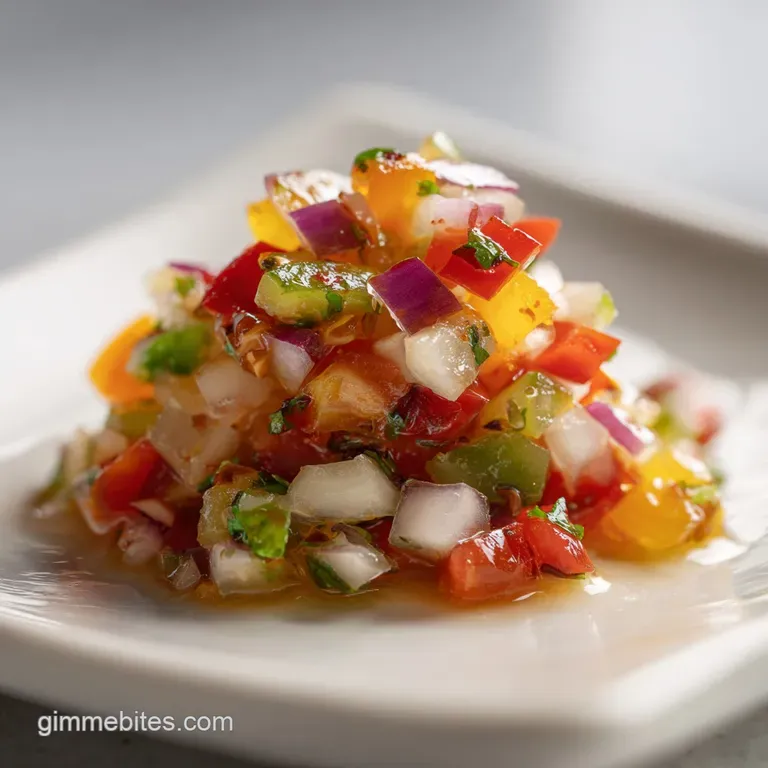
- Time: Active 10 minutes, Passive 0 minutes, Total 10 minutes
- Flavor/Texture Hook: Tangy, briny shatter with a zesty herb finish
- Perfect for: Backyard hosting, taco night topper, or a savory snack
- The Cold Cure Crunch Factor
- Vital Statistics And Timing
- Component Analysis Deep Dive
- Essential Hosting Kitchen Gear
- Creating The Flavor Layers
- Troubleshooting Your Dip Quality
- Smart Scaling For Crowds
- Substitution Guide For Flavor Flexibility
- Debunking Pickle Preparation Myths
- Preservation And Zero Waste
- Perfect Complements For Hosting
- Recipe FAQs
- 📝 Recipe Card
You know that feeling when you set out a beautiful bowl of pico de gallo, only to watch it turn into a literal puddle within twenty minutes? It is frustrating. I once hosted a taco night where the salsa was so watery it turned the chips into mush before the first guest even finished their drink.
I needed something with more backbone, something that could stand up to a salty chip without weeping all over the platter.
That is how I fell in love with this pickle de gallo recipe. The first time I tried it, the room went quiet except for the sound of serious crunching. It has that punchy, savory soul that traditional tomato versions sometimes lack, especially in the winter when tomatoes taste like cardboard.
By using cold cured pickles as the base, you get this incredible texture that stays firm and zippy until the very last scoop.
We are talking about layers of flavor here. You get the initial hit of vinegar, followed by the garden freshness of cucumber and bell pepper, and then a slow, humming heat from the jalapeño. It is not just a dip; it is a total vibe for anyone who obsesses over pickles.
If you have ever felt like your appetizers needed more "zing," this is the answer you have been waiting for.
The Cold Cure Crunch Factor
Osmotic Stability: Pickles have already undergone a cellular breakdown during curing, meaning they won't release excess water like raw tomatoes do when salted. This ensures the dip maintains its structural integrity and "shatter" for hours on end.
Acidity Balance: The lactic acid from the brine acts as a natural flavor carrier, which brightens the aromatics of the garlic and fresh dill instantly. It creates a savory depth that lingers on the palate without being overly sharp.
Comparison Of Preparation Styles
| Method | Time | Texture | Best For |
|---|---|---|---|
| Hand Diced | 10 minutes | Uniform, chunky "shatter" | Hosting and dipping |
| Food Processor | 2 minutes | Saucy, relish like consistency | Burger or hot dog topping |
| Mandoline | 5 minutes | Paper thin, translucent layers | Topping a Halibut Taco Recipe |
Choosing the right preparation method changes how the flavor hits your tongue. A hand diced version feels more like a substantial salad, while the food processor version blends the flavors into a more cohesive, spreadable condiment.
Vital Statistics And Timing
This recipe is built for speed without sacrificing the bold, savory profile we crave. Because there is no cooking involved, the focus is entirely on the quality of your knife work and the freshness of your garden additions.
You can technically eat this the second it is mixed, but letting it sit for just five minutes allows the brine to marry with the red onion and garlic.
Since we are aiming for a shared plate experience, the yield is generous. You’ll end up with about three cups of dip, which is plenty for a group of six. If you are prepping for a larger party, this scales beautifully, but I always suggest keeping the batches separate to maintain that fresh, vibrant green color that makes people want to dive in immediately.
Component Analysis Deep Dive
| Ingredient | Science Role | Pro Secret |
|---|---|---|
| Cold Cured Pickles | Provides the structural base | Use refrigerated brands (like Grillo's) for maximum crispness |
| Pickle Brine | Emulsifies the "dressing" | Use the reserve liquid to re hydrate the minced garlic |
| English Cucumber | Adds hydration and freshness | Keep the skin on for a darker green color contrast |
| Lemon Juice | Brightens the top notes | Zest the lemon into the bowl first for extra citrus oils |
For Long Lasting Crunch
The choice of pickle is the most important decision you will make. Always look for "cold cured" or "refrigerated" pickles. Unlike shelf stable jars that are heat processed (which softens the cell walls), cold cured pickles remain firm and provide that signature snap.
For Balanced Brine
The brine is your seasoning. Instead of just dumping it in, taste it first. If it is exceptionally salty, you might want to pull back on any extra salt. If it is heavy on the garlic, adjust your fresh garlic accordingly to avoid an overwhelming bite.
Essential Hosting Kitchen Gear
You don't need a pantry full of gadgets, but a sharp chef's knife is non negotiable here. Since the "pico" style relies on small, uniform cubes, a dull blade will bruise the herbs and smash the pickles rather than slicing through them cleanly.
A large glass or stainless steel mixing bowl is also vital. Avoid plastic bowls if possible, as they can sometimes retain odors from previous meals, and you want the dill and garlic to shine through purely.
A fine mesh strainer is handy if you find your dicing produced a bit too much moisture from the cucumber, though using an English cucumber usually solves that problem.
Creating The Flavor Layers
Follow these steps for the most vibrant result.
- Prep the pickles. Dice 2 cups cold cured dill pickles (300g) into 1cm cubes. Note: Consistent sizing ensures you get every flavor in one bite.
- Collect the brine. Measure 2 tbsp reserve pickle brine (30ml) and set aside. Note: This acts as your "salt" and "acid" source.
- Chop the pepper. Finely dice 0.5 cup red bell pepper (75g). Cook until the colors pop against the green pickles.
- Prepare the cucumber. Finely dice 0.5 cup English cucumber (75g), leaving the skin on. Note: The skin adds a lovely "shatter" to the texture.
- Mince the heat. Seed and mince 1 small jalapeño (15g). Wait until you smell the spicy oils before adding to the bowl.
- Soften the onion. Finely mince 0.25 cup red onion (40g). Note: If the onion is too sharp, rinse it under cold water for 10 seconds.
- Paste the garlic. Mash 1 clove garlic (3g) into a paste with the back of your knife. Note: Pasting the garlic prevents anyone from biting into a raw chunk.
- Combine the base. Toss the pickles, peppers, cucumber, onion, and jalapeño together in a large bowl.
- Dress the mix. Whisk the brine, 1 tbsp fresh lemon juice (15ml), and 0.25 tsp cracked black pepper (0.5g) together, then pour over the vegetables.
- Add the finish. Fold in 2 tbsp fresh dill (2g) gently until the aroma is heady and fresh.
If you are looking for a savory companion for this dip, try serving it alongside a batch of Turkey Jerky Recipe. The saltiness of the jerky and the brine of the pickle de gallo make for an incredible snack board.
Troubleshooting Your Dip Quality
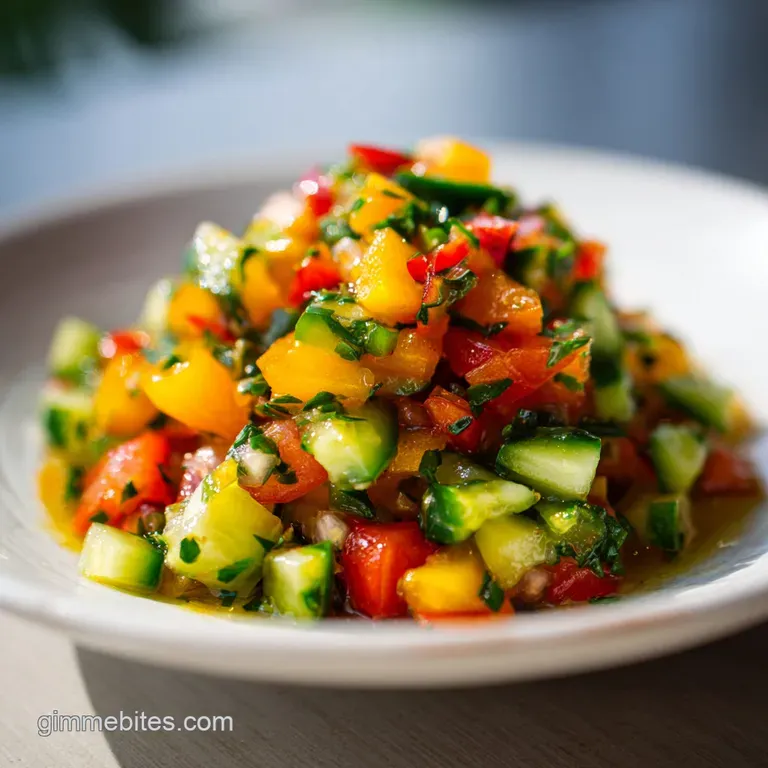
Why Your Pico Is Watery
If your dip looks like a soup after an hour, the culprit is usually the cucumber or the onion. Even English cucumbers hold a lot of water in their centers.
| Problem | Root Cause | Solution |
|---|---|---|
| Excessive Liquid | Cucumber seeds releasing water | Scoop out the watery center of the cucumber before dicing |
| Muted Flavors | Not enough acidity or salt | Add an extra teaspoon of brine or a squeeze of lemon |
| Overpowering Onion | Onion was too "hot" | Soak minced onions in ice water for 5 minutes before mixing |
Common Mistakes Checklist
- ✓ Never use bread and butter pickles; the sugar ruins the savory profile.
- ✓ Pat the pickles dry with a paper towel before dicing to control moisture.
- ✓ Use fresh dill only; dried dill will taste dusty in a fresh application like this.
- ✓ Dice the jalapeño extra small so the heat is a background note, not a punch.
- ✓ Let the garlic paste sit in the lemon juice for a minute to "mellow" its bite.
Smart Scaling For Crowds
Scaling Down (½ batch): This is easy. Just use half of everything. Since you can't really use half a garlic clove easily, just use a very small one or a pinch of garlic powder if you're in a pinch. Use a small cereal bowl for mixing to keep the ingredients tightly packed so they marinate better.
Scaling Up (2x-4x): When making a massive batch for a party, don't just quadruple the brine. Start with double the brine and taste. You don't want the veggies swimming. Also, work in batches for the dicing; if you pile too many diced pickles together, the ones at the bottom will get smashed.
Hosting Tip: If you are serving this at a large event, keep the main bowl on ice. It keeps the "shatter" of the pickles alive and ensures the flavor stays crisp and refreshing.
Substitution Guide For Flavor Flexibility
| Original Ingredient | Substitute | Why It Works |
|---|---|---|
| Red Bell Pepper | Yellow or Orange Pepper | Same sweetness and crunch; just changes the visual vibe. |
| Lemon Juice | Lime Juice | Adds a more traditional "salsa" citrus note. |
| Fresh Dill | Fresh Cilantro | Changes the profile from "dill pickle" to "Mexican inspired." |
Adding these swaps is a great way to customize the dish based on what you have in the garden. Just remember that changing the herb will significantly alter the soul of the dish.
Debunking Pickle Preparation Myths
One major myth is that "any pickle in a jar will work." This is simply not true. If you use those shelf stable pickles found in the warm aisle of the grocery store, your pickle de gallo will be soft and limp. The heat treated canning process breaks down the pectin in the vegetables.
Always go for the refrigerated section.
Another misconception is that you need to add salt. Between the pickles themselves and the reserve brine, there is usually more than enough sodium to season the entire bowl. Always taste a full spoonful with a chip before you even think about reaching for the salt shaker.
Preservation And Zero Waste
Storage: Keep this in an airtight glass jar in the fridge for up to 3 days. It actually tastes quite good on day two as the garlic mellows, but the cucumber will lose some of its "snap." Do not freeze this; the cell walls of the cucumber and pepper will collapse, and you'll wake up to a bowl of mush.
Zero Waste: Don't toss the leftover liquid once the dip is gone! That "double brine" (pickle juice mixed with lemon and onion flavor) is liquid gold. Use it as a marinade for chicken breasts or splash it into a Bloody Mary for a savory kick.
You can even toss some sliced hard boiled eggs into the leftover liquid for a quick pickled egg snack.
Perfect Complements For Hosting
This pickle de gallo recipe is incredibly versatile. While it is bold enough to stand alone with a bag of thick cut tortilla chips, it shines as a component of a larger spread. I love putting it on top of grilled bratwurst or hot dogs for a sophisticated twist on relish.
For a shared plate experience, serve it alongside a bowl of whipped feta or a smoky hummus. The acidity of the pickles cuts right through the richness of the cheese or beans. It also makes a killer topping for avocado toast if you want a savory, zippy breakfast that will wake up your taste buds.
For a Spicy Kick
If the jalapeño isn't doing it for you, add a teaspoon of red chili flakes or a dash of hot sauce into the brine before mixing. The vinegar in the hot sauce plays perfectly with the pickle base.
For a Protein Packed Topping
Fold in half a cup of canned black beans (rinsed and dried). It adds a creamy texture that contrasts beautifully with the crispy pickles and makes the dip feel more like a meal. This is a great trick for a quick lunch!
Recipe FAQs
What ingredients are in pickle de gallo?
Cold cured dill pickles, cucumber, red bell pepper, red onion, jalapeño, fresh dill, garlic, lemon juice, and black pepper. This combination swaps tomatoes for crunchy pickles, resulting in a dip that maintains its structure and tanginess much longer.
How to make your own pickle de gallo?
Dice all vegetables and pickles uniformly into 1cm cubes first. Combine the diced ingredients, then whisk together the reserved pickle brine, lemon juice, and pepper to create the dressing, which you then gently fold into the solids.
What kind of pickles are best for pickle de gallo?
Refrigerated, cold cured dill pickles are essential for the best results. The shelf stable, heat processed pickles found in warm aisles are too soft and will result in a watery dip.
What is the 3 2 1 rule for pickles?
No, there is no standard 3-2-1 rule universally recognized for this specific recipe. The fundamental ratios here rely on balancing the acidity from the brine against the freshness of the cucumber and pepper.
Can I use jarred pickle brine instead of fresh lemon juice?
Yes, you can substitute some of the lemon juice with brine, but taste first. The brine provides the necessary salt and vinegar base, similar to how acid balances richness in recipes like our Cajun Cream Sauce recipe.
Why is my pickle de gallo watery after 30 minutes?
The excess water is likely leaching from the cucumber or the pickles themselves. Ensure you scoop out the seedy, watery center of the cucumber before dicing it to maintain maximum crispness.
Can I prepare the vegetables ahead of time to save time?
Chop everything up to 24 hours ahead, but wait to toss with brine until serving. Dice your vegetables and store them separately from the brine mixture; if you apply the liquid too early, the cucumbers will start to soften.
Quick Pickle De Gallo Recipe
Ingredients:
Instructions:
Nutrition Facts:
| Calories | 17 kcal |
|---|---|
| Protein | 0.6 g |
| Fat | 0.2 g |
| Carbs | 3.6 g |
| Fiber | 1 g |
| Sugar | 0.8 g |
| Sodium | 452 mg |
