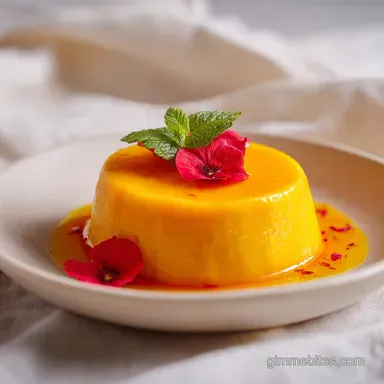
Sweet Potato Pudding: Silky and Spiced
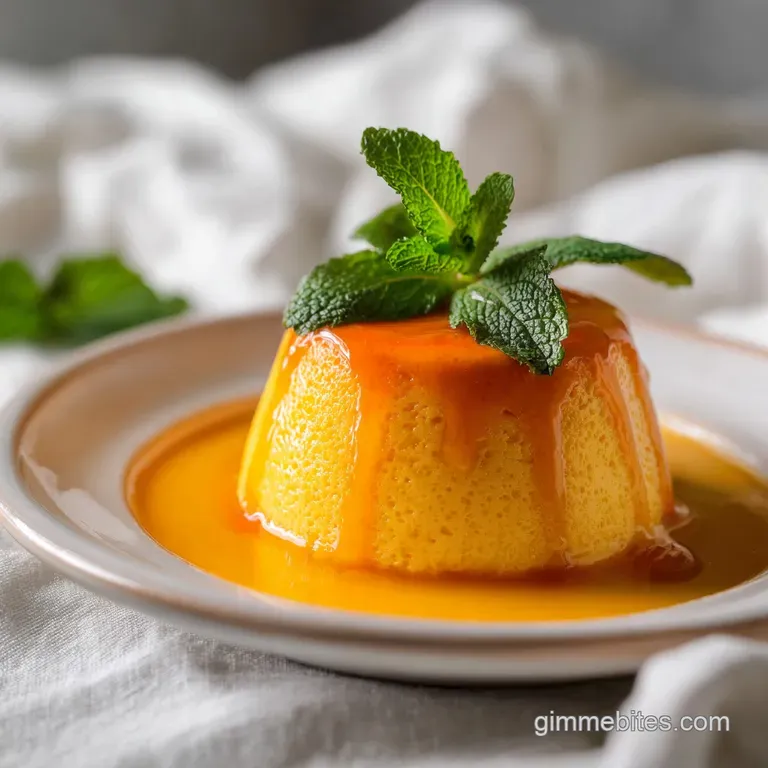
- Time: Active 15 minutes, Passive 50 minutes, Total 65 minutes
- Flavor/Texture Hook: Silky, spice warmed, and buttery mahogany custard
- Perfect for: Holiday gatherings, Sunday dinners, or satisfying a massive sweet tooth
- Mastering The Ultimate Sweet Potato Pudding Recipe
- Essential Specs For Pudding Success
- Selecting Quality Ingredients For Flavor
- Equipment For A Smooth Result
- Moving From Prep To Plate
- Fixing Common Texture And Bake Issues
- Smart Substitutions For Every Kitchen
- Storing And Reheating Your Leftovers
- Presentation Ideas To Make Your Pudding Look Amazing
- Myths About Sweet Potato Pudding
- Recipe FAQs
- 📝 Recipe Card
Mastering The Ultimate Sweet Potato Pudding Recipe
We have all been there, haven't we? You're expecting a lush, velvety slice of heaven, but you end up with a stringy, watery mess that feels more like a side dish than a dessert. I used to think boiling the potatoes was the shortcut to success, but honestly, it is the fastest way to ruin your bake.
Boiling invites too much water to the party, leaving you with a bland, soggy texture that no amount of sugar can save. It was a total kitchen heartbreak for me until I realized the secret was in the roast.
The aroma of this sweet potato pudding recipe hitting the oven is something I genuinely wish I could bottle up. It starts with the earthy, sugary scent of the roasting skins and finishes with a heavy, spicy cloud of cinnamon and nutmeg that fills every corner of the house.
If you are looking for that classic, deep orange slice with a slight jiggle and a rich, buttery finish, you have found it. Trust me, once you smell that ginger and vanilla mingling with the light brown sugar, there is no going back to the boxed stuff.
We are aiming for a specific kind of magic here: a texture that is dense enough to hold its shape but soft enough to melt the second it hits your tongue. I’m a sweets fanatic, and this recipe is my absolute go to because it is virtually foolproof if you follow the roasting method.
We’re going to skip the shortcuts and focus on what actually makes this dish viral ready. Right then, let’s crack on and get these potatoes in the oven.
Essential Specs For Pudding Success
Starch Concentration: Roasting the potatoes whole allows the moisture to evaporate, which concentrates the natural sugars and creates a much denser, more flavorful base.
Fat Stabilization: Melted butter and evaporated milk work together to coat the starch molecules, ensuring the pudding stays velvety rather than becoming a rubbery block.
Protein Network: The eggs provide the structural "set" by coagulating during the bake, which is why we look for that signature slight jiggle in the center.
Spice Infusion: Heat from the oven blooms the volatile oils in the cinnamon, nutmeg, and ginger, making the flavor profile much more complex than just "sweet."
| Method | Time | Texture | Best For |
|---|---|---|---|
| Roasting (Classic) | 65 minutes | Dense, Silky, Rich | Authentic results |
| Boiling (Fast) | 45 minutes | Watery, Stringy, Soft | Quick infant purees |
| Microwaving (Emergency) | 35 minutes | Spongy, Uneven | Single servings only |
Roasting is the undisputed king for this recipe. If you try to speed it up by boiling, you’ll lose that deep, caramelized flavor that makes people ask for seconds. But if you're really in a pinch for time, roasting the potatoes the night before is a brilliant move that saves you a massive amount of effort on the day you want to serve it.
Ingredient Science Deep Dive
| Ingredient | Science Role | Pro Secret |
|---|---|---|
| Sweet Potatoes | Provides starch and bulk | Use Garnet or Jewel for the highest sugar content and best color. |
| Evaporated Milk | Adds creamy density | It has less water than regular milk, which prevents the pudding from breaking. |
| Large Eggs | Creates the custard set | Use room temperature eggs so they emulsify perfectly into the warm puree. |
| Light Brown Sugar | Adds moisture and caramel | The molasses in the sugar reacts with the heat to create those dark, chewy edges. |
Selecting Quality Ingredients For Flavor
When it comes to the heart of this dish, the 2 lbs of sweet potatoes you pick will make or break the outcome. I always reach for the ones with the darkest skin usually labeled as Jewel or Garnet. They have a higher moisture content and a much more vibrant orange flesh, which is exactly what we want for that "wow" factor. If you're looking for ways to use up smaller tubers, you might find my Sweet Potato Recipe for Infants helpful for those leftover scraps.
The 12 oz of evaporated milk is another non negotiable for me. I’ve seen people try to swap this for regular 2% milk, and it’s a disaster; the pudding ends up thin and the flavor is totally washed out.
Evaporated milk has 60% of the water removed, so it’s basically a concentrated hit of creamy goodness. Combine that with 1/2 cup of melted unsalted butter, and you’ve got a fat to starch ratio that guarantees a luxurious mouthfeel.
Don't skimp on the spices, either. That 1.5 tsp of cinnamon and 1/2 tsp of nutmeg might seem like a lot, but sweet potatoes are heavy hitters they need those big flavors to stand up to them.
I also add 1/4 tsp of ground ginger for a tiny bit of "zing" that cuts through the richness of the 1 cup of light brown sugar. It’s that balance of sweet and spice that makes this pudding so incredibly addictive.
Equipment For A Smooth Result
You don't need a professional kitchen to pull this off, but a high speed blender or a food processor is your best friend here. I’ve tried mashing these by hand with a fork, and no matter how much elbow grease I put in, there were always those pesky little strings.
A blender such as a Vitamix or a standard food processor will whip that 2 lbs of roasted potato flesh into a vibrant orange cloud in seconds.
You’ll also need a solid 9x9 inch baking dish. I prefer ceramic or glass because they distribute heat more evenly than metal pans, which can sometimes scorch the bottom of a custard based dessert.
A large mixing bowl and a sturdy rubber spatula are essential for folding the puree into the egg mixture without deflating all that lovely air we whisked in.
Chef's Tip: Freeze your butter for 10 minutes before melting it. It sounds weird, but it helps the butter stay slightly more stable when you're blending it into the warm potatoes, preventing it from separating and becoming oily.
Moving From Prep To Plate
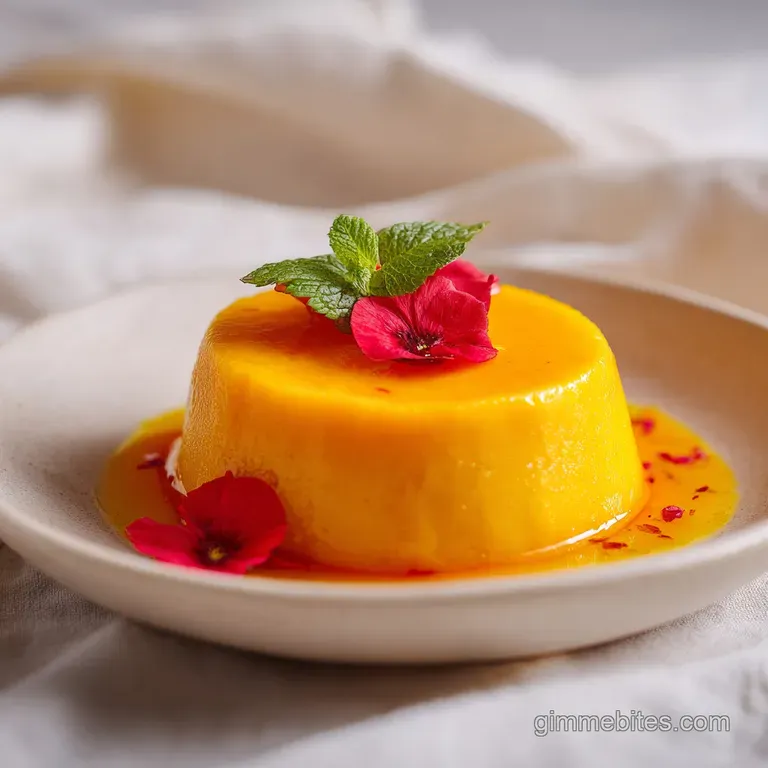
Preheat your oven to 400°F (200°C). Pierce the 2 lbs of sweet potatoes with a fork and roast them whole on a baking sheet for 40–45 minutes until the skins look shriveled and the sugar starts to ooze out.
Note: Roasting whole traps the steam inside, making peeling a breeze.
Remove potatoes from the oven and peel off the skins while they are still warm. Lower the oven temperature to 350°F (175°C).
Place the warm potato flesh into a high speed blender along with 1/2 cup melted unsalted butter and 12 oz evaporated milk. Pulse until the mixture is a completely smooth, velvety orange puree. Note: If you smell a rich, caramelized aroma, you're doing it right.
In a separate large mixing bowl, whisk 3 large eggs, 1 cup light brown sugar, 1 tbsp vanilla, 1.5 tsp cinnamon, 1/2 tsp nutmeg, 1/4 tsp ginger, and 1/2 tsp salt until the mixture is frothy and pale.
Fold the smooth sweet potato puree into the egg and spice mixture using a rubber spatula until fully incorporated. Watch for a consistent, streak free color.
Pour the batter into a greased 9x9 inch baking dish and smooth the top with your spatula.
Bake for 45–50 minutes until the edges are slightly puffed and mahogany gold, and the center has a slight jiggle. Note: The smell of toasted sugar will let you know it's nearly done.
Allow the pudding to cool and set completely at room temperature for at least 30 minutes before slicing. This is when the texture firms up into that perfect slice.
Fixing Common Texture And Bake Issues
The most common issue I hear about is the "center won't set" problem. Usually, this happens if the potatoes were boiled and retained too much water, or if the oven temperature wasn't consistent. If your pudding looks like a soup after 50 minutes, don't panic.
You can tent it with foil and give it another 10 minutes, but the real fix is ensuring your potatoes are roasted dry from the start.
Another headache is a grainy texture. This usually means the eggs were added to the potatoes while they were piping hot, which partially "scrambles" them. Always ensure you whisk your eggs with the sugar first to create a buffer, and let the potato puree sit for just a minute or two before folding it in. If you want to see how to handle similar textures in other bakes, check out my Healthy Smash Cake guide for tips on moisture control.
| Problem | Root Cause | Solution |
|---|---|---|
| Watery Pudding | Potatoes were boiled or steamed | Always roast whole in skins to dehydrate and concentrate sugar. |
| Rubbery Texture | Over mixing the eggs and sugar | Whisk until frothy, then gently fold don't beat the life out of it. |
| Burnt Edges | Oven too hot or pan too thin | Use a ceramic dish and move to the center rack for even heat. |
Common Mistakes Checklist
- ✓ Never skip the roasting step; it's the only way to get that deep, concentrated flavor.
- ✓ Use room temperature eggs to ensure they emulsify properly with the fats.
- ✓ Don't over blend the mixture once the eggs are in, as this can lead to a tough bake.
- ✓ Let the pudding rest! Cutting it too early will result in a messy, slumped slice.
- ✓ Grease your baking dish thoroughly with butter to get those delicious, chewy edges.
Smart Substitutions For Every Kitchen
If you're out of evaporated milk, don't just reach for the carton of whole milk. A better swap is a mix of heavy cream and whole milk, or even a full fat coconut milk if you want a tropical twist. The goal is to maintain that high fat and protein content that evaporated milk provides.
If you need to scale this down for just two people, use half of everything, beat one egg in a cup, and use exactly half of it.
For my friends who prefer a bit more "crunch," you can definitely add a handful of chopped pecans or walnuts to the batter at the very last second. It breaks the silky texture in a way that is totally delightful. Just remember that adding extras can slightly change the bake time, so keep an eye on that center jiggle!
| Original Ingredient | Substitute | Why It Works |
|---|---|---|
| Evaporated Milk (12 oz) | Full fat Coconut Milk (12 oz) | Similar fat content. Note: Adds a subtle tropical flavor and nutty aroma. |
| Light Brown Sugar (1 cup) | Dark Brown Sugar (1 cup) | Same moisture level. Note: Resulting pudding will be darker with a stronger molasses taste. |
| Unsalted Butter (1/2 cup) | Coconut Oil (1/2 cup, melted) | Provides necessary fat. Note: The texture will be slightly softer at room temperature. |
Storing And Reheating Your Leftovers
This pudding actually tastes even better the next day once the spices have had more time to mingle. You can keep it in the fridge for up to 4 days just make sure it’s covered tightly with plastic wrap or stored in an airtight container so it doesn't soak up any "fridge smells." I actually prefer a cold slice straight from the refrigerator for breakfast sometimes.
For freezing, you can wrap individual slices in parchment paper and then foil. They will stay good for up to 3 months. When you're ready to eat, let them thaw in the fridge overnight.
To reheat, a quick 30 second blast in the microwave usually does the trick, but if you want that "just baked" feel, pop a slice into a 350°F oven for about 10 minutes until it’s warmed through and the edges regain a bit of their sizzle.
Presentation Ideas To Make Your Pudding Look Amazing
If you want to go for that viral, high end look, a simple dollop of homemade whipped cream is the way to go. I like to add a tiny pinch of cinnamon on top of the cream to tie everything back to the pudding.
For a more traditional look, serving it warm with a tiny drizzle of maple syrup or a scoop of vanilla bean ice cream creates a beautiful contrast between the hot pudding and the melting cream.
If you're feeling fancy, you can garnish with thin curls of orange zest. The citrus aroma cuts right through the heavy sweetness of the potatoes and makes the whole dish feel a bit lighter and more sophisticated.
Whether you're eating it on a paper plate or a fancy ceramic dish, the vibrant orange color and the mahogany edges are going to do most of the work for you. Honestly, just get it to the table it won't last long anyway!
Myths About Sweet Potato Pudding
Many people believe that you must use marshmallows to make this a "real" dessert. That is a total myth! A proper pudding relies on the custard base of eggs and milk to provide richness, not a layer of melted sugar on top.
While marshmallows are great for a casserole, they often distract from the silky texture we worked so hard to achieve here.
Another common misconception is that "yams" and "sweet potatoes" are interchangeable. In the U.S., most "yams" in the grocery store are actually just sweet potatoes with orange flesh. True yams are starchy, bark like tubers from Africa or Asia and will not work in this recipe at all.
Stick to the orange fleshed sweet potatoes for that classic flavor.
Finally,, some think you need a stand mixer to get it smooth. While a mixer helps, it can actually incorporate too much air, leading to a "soufflé" effect where the pudding rises and then collapses.
A blender or food processor is far superior because it shears the fibers without whipping in excessive air, keeping the pudding dense and fudgy.
Recipe FAQs
What are the ingredients in sweet potato pudding?
This recipe combines 2 lbs of sweet potatoes, 1/2 cup melted unsalted butter, and 12 oz of evaporated milk for the base. You will also need 3 large room temperature eggs, 1 cup packed light brown sugar, 1 tbsp pure vanilla extract, 1.5 tsp cinnamon, 1/2 tsp nutmeg, 1/4 tsp ginger, and 1/2 tsp fine sea
Salt.
Is sweet potato good for diabetic patients?
Consult your doctor before making this a staple of your diet. While sweet potatoes provide fiber and vitamins, the added brown sugar in this pudding recipe impacts blood glucose levels significantly.
Why is my sweet potato pudding soft?
It likely needs more resting time. The pudding must cool completely to set properly; slicing it while warm will always result in a softer, looser texture.
How to cook a sweet potato for diabetics?
Roast the potatoes whole at 400°F (200°C) for 40 45 minutes until soft. This method intensifies the natural sweetness without requiring additional sugars, similar to how we maximize flavor in our healthy pumpkin dessert using aromatic spices.
Can I speed up the baking process?
No, avoid increasing the oven temperature beyond 350°F (175°C). The 45 50 minute bake time is necessary to ensure the center sets with the correct jiggle while the edges achieve their signature mahogany gold finish.
How to store leftovers?
Cover the dish tightly with plastic wrap or transfer to an airtight container. It keeps well in the refrigerator for up to 4 days, and the flavor often improves as the spices mingle over time.
Is it true I must boil the potatoes instead of roasting?
No, this is a common misconception. Roasting the potatoes whole is the only way to concentrate the natural potato sugars for the best flavor; boiling introduces too much excess moisture into the pudding batter.
Classic Sweet Potato Pudding