Edible Cookie Dough Recipe for One: Quick & No Egg

- Time: Active 4 minutes, Passive 1 minute, Total 5 minutes
- Flavor/Texture Hook: Fudgy, buttery base with a sandy sweet crunch and melting chocolate
- Perfect for: Late night cravings, portion controlled snacking, or a quick viral inspired dessert
- Master This Quick Edible Cookie Dough Recipe For One
- The Science Of No Bake Success
- Component Analysis Deep Dive
- Essential Specs For Your Personal Dessert
- Scouting The Pantry For Dough Components
- The Minimal Tools Needed For Success
- Step By Step Guide To Dough Perfection
- Professional Advice To Avoid Grainy Mishaps
- Swaps For A Healthy Dough Alternative
- Keeping Your Single Serving Dough Fresh
- Fun Ways To Enjoy Your Treat
- Recipe FAQs
- 📝 Recipe Card
Master This Quick Edible Cookie Dough Recipe For One
Imagine it’s 10:00 PM, you’re halfway through a movie, and that specific, nagging craving hits the one only raw cookie dough can satisfy. We’ve all been there, standing in front of the fridge, debating if we should risk the raw eggs or commit to baking a full batch of two dozen cookies just to steal a few spoonfuls of the batter.
Honestly, don't even bother with the oven or the risk. This version is designed for that exact moment of "I need this right now," providing all the fudgy, sugary comfort without the stomach ache inducing gamble.
The magic starts with the scent of toasted flour a nutty, popcorn like aroma that fills the kitchen as you sanitize your base. Then comes the rhythmic sound of a fork whisking butter and brown sugar until they transform from separate lumps into a pale, velvety paste.
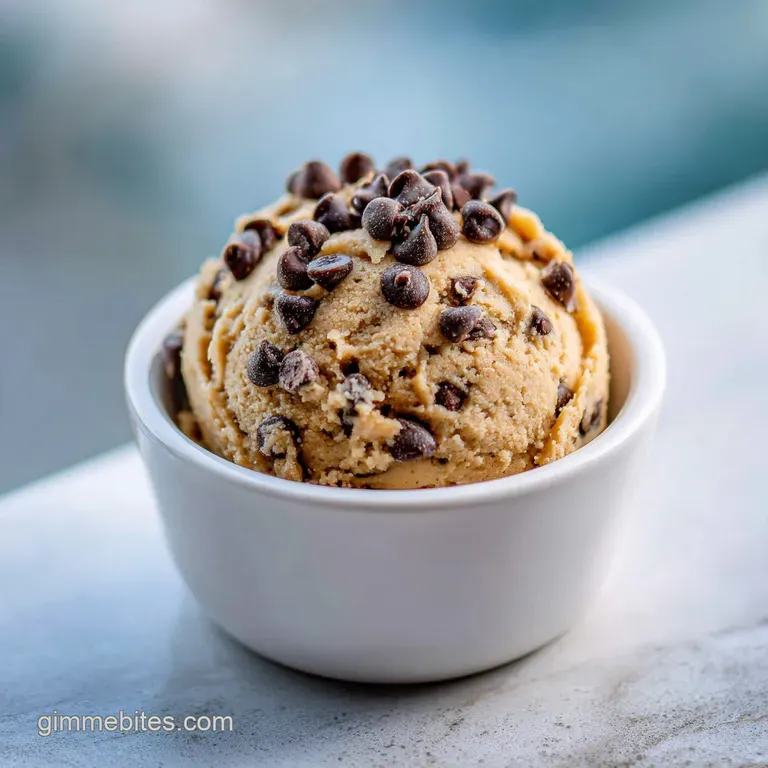
It’s a sensory ritual that’s just as satisfying as the first bite. We're looking for that specific mouthfeel: a base that yields like soft fudge but carries the slight, crystalline crunch of granulated sugar against the smooth melt of mini chocolate chips.
Right then, let's get into the nitty gritty. This isn't just about mixing stuff in a bowl; it’s about understanding why we skip the eggs and how to keep the flour from tasting like literal dust. We’ve moved past the days of mediocre mug cakes.
This is the real deal a single serving edible cookie dough that tastes exactly like the stuff you used to sneak out of your grandma’s mixing bowl, only better because you don't have to share a single morsel.
The Science Of No Bake Success
Pathogen Elimination: Heating flour to 160°F-165°F denatures proteins and kills potential bacteria like E. coli or Salmonella. This process also toasts the starch, adding a subtle depth of flavor that raw flour lacks.
Molecular Binding: Since we lack eggs, the combination of milk and softened butter creates a stable emulsion that holds the flour in suspension. The fat coats the flour particles, preventing them from feeling chalky on the tongue.
Hygroscopic Balance: Brown sugar contains molasses, which attracts moisture and keeps the dough fudgy. Using a mix of sugars ensures a balance between that classic "cookie" flavor and a smooth, scoopable texture.
| Method | Time | Texture | Best For |
|---|---|---|---|
| Microwave | 60 seconds | Soft/Fluffy | Quick cravings |
| Oven Toasting | 5 minutes | Nutty/Crispy | Deep flavor fans |
| Stovetop Skillet | 3 minutes | Toasted/Sandy | Avoiding microwaves |
Choosing your heat treatment method changes the soul of the dough. While the microwave is king for speed, a quick toast in a dry skillet can give your edible cookie dough recipe for one a sophisticated, browned butter vibe that feels truly gourmet.
Component Analysis Deep Dive
| Ingredient | Science Role | Pro Secret |
|---|---|---|
| All Purpose Flour | Structure | Sift it twice after heating to remove the "heat clumps" created by moisture. |
| Unsalted Butter | Emulsifier | Use European style butter for a higher fat content and silkier mouthfeel. |
| Brown Sugar | Moisture | Pack it tightly to ensure the molasses ratio is high enough for chewiness. |
| Mini Chocolate Chips | Texture | Use "mini" versions so you get chocolate in every single tiny bite. |
Each ingredient plays a specific role in mimicking the texture of bakeable dough. Without the leavening agents like baking soda, we rely entirely on the ratio of fat to sugar to provide that signature "give" when you press your spoon into the bowl.
Essential Specs For Your Personal Dessert
When you're making a single serving, precision is your best friend. Because we aren't dealing with a giant batch, being off by even half a teaspoon of milk can turn your dough into a puddle or a brick. Stick to these exact measurements for the best results.
- 5 tablespoons all purpose flour (65g): Why this? The structural base that provides the chewy, doughy body we crave.
- 2 tablespoons unsalted butter, softened (28g): Why this? Provides the rich, velvety fat that carries all other flavors.
- 1 tablespoon granulated sugar (12g): Why this? Adds the classic sweet "snap" and helps with the grainy sweet texture.
- 2 tablespoons packed brown sugar (25g): Why this? Essential for that deep, toffee like flavor and fudgy moisture.
- 2 teaspoons milk (10g): Why this? Replaces the moisture from the egg to bind the dough together.
- 1/4 teaspoon vanilla extract (1g): Why this? Acts as a flavor bridge between the butter and the sugar.
- 1 pinch fine sea salt (0.1g): Why this? Crucial for cutting through the heavy sweetness and enhancing chocolate.
- 2 tablespoons mini semi sweet chocolate chips (30g): Why this? Better distribution than large chips in such a small portion.
Scouting The Pantry For Dough Components
If you’re looking to tweak this into a healthy edible cookie dough for one, or if you’ve realized you’re out of butter, don't panic. There are ways to pivot without losing that dessert first energy.
| Original Ingredient | Substitute | Why It Works |
|---|---|---|
| Unsalted Butter | Coconut Oil (Solid) | High fat content; adds a tropical note. Note: Texture will be softer. |
| All Purpose Flour | Almond Flour | High protein and moisture. Note: Does not require heat treating. |
| Whole Milk | Oat Milk | Similar viscosity and naturally sweet. Note: Excellent for vegan versions. |
| Brown Sugar | Coconut Sugar | Deep caramel flavor with a lower glycemic index. Note: Slightly grittier. |
Using almond flour is a fantastic shortcut if you're in a hurry because it is safe to eat raw. However, it will yield a much denser, nuttier crumb than the classic all purpose flour version.
The Minimal Tools Needed For Success
One of the best things about making edible cookie dough for one quick is that you don't need to drag out the heavy stand mixer. In fact, a mixer would probably just smear the small amount of butter all over the bowl, leaving you with nothing to eat!
Grab a small ceramic bowl something that can handle a bit of heat if you're using the microwave for the flour. A standard dinner fork is actually better than a whisk here because it allows you to mash the butter and sugar together effectively, mimicking the "creaming" process used in professional bakeries.
You’ll also want a small sieve or fine mesh strainer. When flour gets hot, it tends to clump up. If you skip sifting, you'll end up with little pockets of dry, raw flour in your dough, which is a total mood killer. Finally, a rubber spatula helps you scrape every last bit of that buttery goodness into your mouth.
Trust me, you won't want to leave a single gram behind.
step-by-step Guide To Dough Perfection
Sanitizing The Raw Flour
Heat treat the 5 tablespoons of all purpose flour by placing it in a microwave safe bowl. Microwave on high in 30 second bursts for about 1 minute until the flour reaches 160°F and smells slightly nutty. Note: Stir between bursts to prevent scorching the edges.
Creaming The Buttery Foundation
In a separate small bowl, combine the 2 tablespoons of softened butter, 1 tablespoon of granulated sugar, and 2 tablespoons of packed brown sugar. Use a fork to mash and stir until the mixture is pale and no large butter lumps remain.
Note: The butter should be soft enough that a finger leaves an indent, but not melted.
Incorporating The Dry Ingredients
Sift the cooled, heat treated flour into the butter mixture. Add the pinch of sea salt. Stir with your fork until the mixture looks like coarse, sandy crumbs.
Adding The Liquid Binder
Pour in the 2 teaspoons of milk and 1/4 teaspoon of vanilla extract. Stir vigorously until the dough pulls away from the sides and forms a cohesive ball. Note: If it feels too dry, add milk half a teaspoon at a time.
Folding In The Gems
Add the 2 tablespoons of mini semi sweet chocolate chips. Use a spatula or spoon to fold them in until they are evenly distributed through the velvety dough.
Chilling and Serving
Let the dough sit for 1 minute at room temperature, or pop it in the fridge for 5 minutes. Eat it directly from the bowl until the last bit of fudgy goodness is gone.
Professional Advice To Avoid Grainy Mishaps
Avoiding The Gritty Texture
The most common complaint with a no egg edible cookie dough for one is a "grainy" feel. This happens because there is no oven heat to melt the sugar crystals. If your dough feels too sandy, let it rest for 5 to 10 minutes before eating.
This gives the moisture in the milk and butter time to partially dissolve the sugar, resulting in a much smoother, professional finish.
Mastering The Butter Temperature
If your butter is too cold, it won't emulsify with the sugar, and you'll end up with greasy lumps. If it’s melted (liquid), the dough will be oily and won't hold its shape. The sweet spot is "pliable room temperature." If you forgot to take the butter out of the fridge, grate it with a cheese grater the small shreds will reach the perfect temperature in just a couple of minutes.
Troubleshooting Table
| Problem | Root Cause | Solution |
|---|---|---|
| Dry/Crumbly Dough | Too much flour or old flour | Add milk 1/2 tsp at a time until it binds. |
| Oily/Greasy Finish | Butter was too hot or melted | Chill the dough for 15 minutes to reset the fats. |
| Flour Tastes Bitter | Flour was scorched in microwave | Sift out burnt bits and reduce heat time next time. |
Common Mistakes Checklist
- ✓ Always sift your flour after heating to ensure a velvety texture.
- ✓ Use mini chips; regular chips are too large for this single portion scale.
- ✓ Don't skip the salt it’s the secret to making it taste like "real" dough.
- ✓ Ensure your bowl is completely dry before starting to prevent sugar seizing.
- ✓ Wait for the flour to cool slightly before adding to the butter to avoid melting it.
Swaps For A Healthy Dough Alternative
If you're looking for an edible cookie dough for one no butter version, you can lean into the world of nut butters. Swapping the butter for almond butter or peanut butter creates a protein packed snack that still hits those dessert notes.
Just keep in mind that nut butters are more viscous than dairy butter, so you might need an extra teaspoon of milk to get the right consistency.
For a gluten-free option, heat treated oat flour is a dream. It has a natural sweetness that complements the brown sugar perfectly. If you are watching your sugar intake, monk fruit sweetener or erythritol can replace the granulated sugar at a 1:1 ratio, though the "cooling" effect of some sweeteners might be more noticeable in a raw dough than in a baked cookie.
Chef's Tip: For an extra layer of flavor, try browning your butter in a pan first, then letting it solidify back to a soft room temperature state before mixing. This adds a "shatter" of toasted flavor that pairs beautifully with dark chocolate chips.
Keeping Your Single Serving Dough Fresh
While this recipe for one is designed to be inhaled immediately, sometimes you want to save half for later (who are we kidding? But just in case!).
Storage: Keep any leftovers in an airtight container in the fridge for up to 5 days. Because there are no eggs, it’s much more stable than standard dough. The texture will firm up significantly when cold, so let it sit on the counter for 10 minutes before you dive back in.
Freezing: You can actually roll this dough into small "truffles" and freeze them. They stay good for up to 3 months. These frozen dough balls are incredible when dropped into a bowl of vanilla ice cream or used as a topping for brownies.
Zero Waste: If you find yourself with a tiny bit of leftover dough that you can't finish, crumble it over your morning oatmeal or yogurt. The residual heat from the oats will melt the chocolate slightly, turning a boring breakfast into something viral worthy.
Fun Ways To Enjoy Your Treat
Eating this straight out of the bowl with a spoon is the classic move, but you can definitely get more creative. Try sandwiching a scoop of this no egg edible cookie dough for one between two salty pretzels.
The contrast between the velvety, sweet dough and the sharp, crunchy salt of the pretzel is a total game changer.
If you’re feeling fancy, press the dough into a small ramekin and top it with a drizzle of salted caramel or a dollop of whipped cream. Because this recipe is so fast, it’s the perfect base for experimentation.
I've even been known to mix in a pinch of espresso powder to deepen the chocolate notes it makes the whole experience feel less like a late night snack and more like a high end bistro dessert. Trust me on this: once you master the basic ratio, you'll never go back to the store-bought tubs again.
| Feature | Quick Version | Classic Dough Style |
|---|---|---|
| Prep Effort | 4 mins | 15 mins |
| Safety | 100% (No Egg) | Risk of Bacteria |
| Clean Up | 1 Bowl | 3 Bowls + Trays |
Ultimately, this homemade edible cookie dough for one is about reclaiming that childhood joy without the adult consequences. It’s fast, it’s safe, and it’s exactly the kind of sweet tooth satisfaction we deserve at the end of a long day. Right then, grab your favorite spoon and get mixing!

Recipe FAQs
What are the three primary ingredients in edible cookie dough?
Flour, butter, and sugar. The flour provides the structure, the butter acts as the primary fat and emulsifier, and the sugars (brown and white) provide sweetness and moisture retention.
Is homemade edible cookie dough safe to eat?
Yes, provided you heat treat the flour. Heating raw flour to 160°F kills potential pathogens like E. coli, and omitting the raw egg removes the primary contamination risk associated with traditional cookie batter.
How do I prevent the dough from tasting chalky or gritty?
Let the dough rest for 5 to 10 minutes before eating. This short resting period allows the moisture from the butter and milk to start dissolving the sugar crystals, smoothing out the texture.
How to heat treat the flour for safety?
Microwave the flour in short bursts until it reaches 160°F. Place it in a microwave safe bowl and heat in 30-second intervals, stirring well between each blast, until a food thermometer confirms the temperature.
What can I substitute for the butter if I need a vegan version?
Use solid coconut oil as a direct substitute for the butter. Ensure the coconut oil is softened (not melted) so it can properly cream with the sugars to form the necessary emulsion.
Is it true I must use a stand mixer for this single serving recipe?
No, a fork and a small bowl are better tools for this small batch. A large mixer will often smear the small quantity of butter around the sides of the bowl, preventing proper creaming.
How long can I store leftover edible cookie dough?
Refrigerate leftovers in an airtight container for up to 5 days. The dough will firm up considerably when cold, so allow it to warm up slightly on the counter before serving.
Cookie Dough Recipe For One

Ingredients:
Instructions:
Nutrition Facts:
| Calories | 729 kcal |
|---|---|
| Protein | 8 g |
| Fat | 32 g |
| Carbs | 106 g |
| Fiber | 4 g |
| Sugar | 56 g |
| Sodium | 55 mg |
