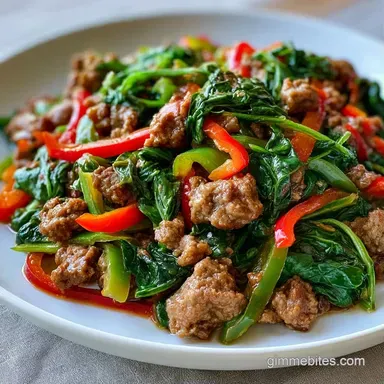
Beef Skillet: High Protein and Hearty
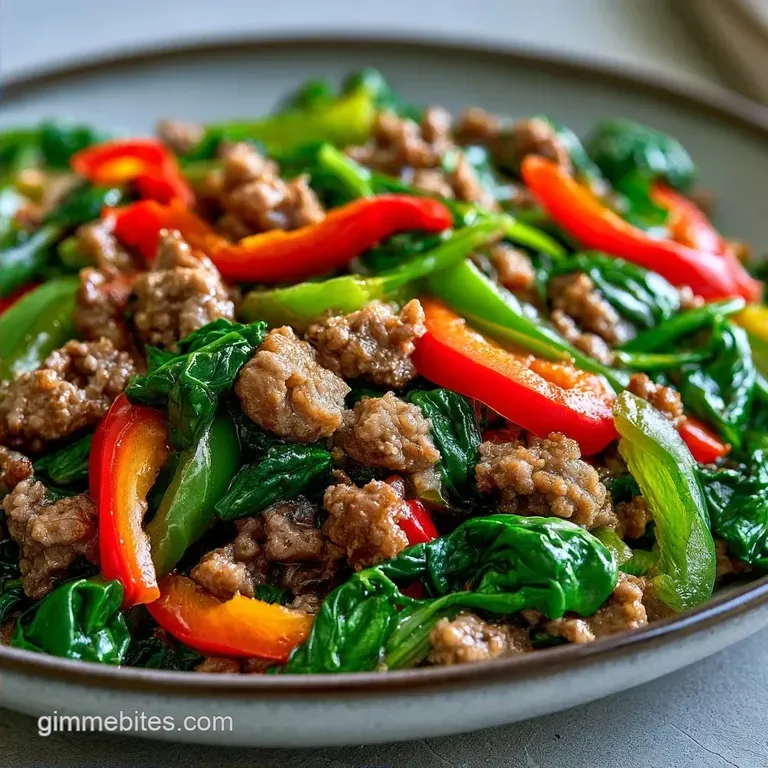
- Time: 10 min prep + 20 min cook
- Flavor/Texture Hook: Mahogany beef crust with crisp tender peppers
- Perfect for: Busy weeknight dinners and family meal prep
Easy One Pan Beef Skillet
Imagine it's a Tuesday. The kids are fighting over a toy, the dog is barking at a leaf, and you have exactly thirty minutes before everything descends into total chaos. You need something that sticks to your ribs, smells like a home cooked meal, and doesn't leave you with a sink full of pots.
That's where this recipe comes in.
I used to just toss meat in a pan and stir it constantly, but the result was always a grey, steamed mess. It tasted fine, but it lacked that deep, charred quality you get at a steakhouse. Once I stopped messing with the meat and let it actually sit, everything changed.
This Beef Skillet is about balance. You get the richness of the beef, the sweetness of the corn and peppers, and a hit of smokiness from the paprika. It's simple, budget friendly, and honestly, it's the kind of meal that makes a chaotic evening feel a bit more under control.
What Makes It Work
The trick to a great Beef Skillet isn't some fancy technique, but just respecting the heat.
- The Hard Sear: Leaving the beef undisturbed for a few minutes creates a brown crust. This adds a layer of flavor that stirring too early just destroys.
- Pan Deglazing: Using bone broth to lift the browned bits from the bottom of the pan ensures none of that flavor goes to waste.
- Layered Veggies: Adding the peppers and onions after the meat means they soften without turning into mush.
Whether you're making this for a quick Tuesday night or prepping for the week, the method remains the same. It's about building flavor in stages rather than throwing everything in at once.
| Method | Time | Texture | Best For |
|---|---|---|---|
| Fast Sear (This) | 30 mins | Crispy edges, tender veg | Weeknights |
| Classic Stew | 3 hours | Soft, integrated, thick | Sunday lunch |
Most people gravitate toward the classic slow cook method for beef, but when you're short on time, the fast sear gives you a more distinct contrast in textures.
Ingredient Deep Dive
Not every ingredient is just a filler. In a Beef Skillet, each part plays a role in balancing the heaviness of the meat.
| Ingredient | What It Does | Best Swap |
|---|---|---|
| Lean Ground Beef | Provides the hearty base | Ground turkey (leaner, milder) |
| Beef Bone Broth | Adds depth and deglazes | Beef stock or water with a splash of soy sauce |
| Bell Peppers | Adds sweetness and color | Zucchini or diced carrots |
I prefer using bone broth over standard stock because it has a bit more body. It helps the flavors cling to the beef instead of just pooling at the bottom of the pan.
Shopping List Breakdown
When you're heading to the store, keep it simple. You don't need organic, fancy labeled items to make this work. Just get the basics.
- 1 lb lean ground beef (93% lean) Why this? Less grease to drain means more flavor stays in the pan.
- 1 tbsp avocado oil Why this? High smoke point so it won't burn during the sear.
- 1 medium yellow onion, diced Why this? Classic base flavor that browns well.
- 2 cloves garlic, minced Why this? Fresh garlic hits different than the jarred stuff.
- 2 medium bell peppers (red and green), diced Why this? Adds a bright, sweet contrast.
- 2 cups fresh baby spinach, packed Why this? Wilts quickly and adds a bit of earthy freshness.
- 1 cup frozen corn Why this? Adds a pop of sweetness and texture.
- 1 tsp smoked paprika Why this? Gives it a grilled, outdoor flavor.
- 1 tsp ground cumin Why this? Adds warmth and earthiness.
- 1/2 tsp garlic powder Why this? Reinforces the fresh garlic.
- 1 tsp kosher salt Why this? Coarser grains make it easier to control.
- 1/2 tsp cracked black pepper Why this? Adds a subtle heat.
- 1/2 cup beef bone broth Why this? Ties everything together and adds richness.
The Gear You Need
You can use a variety of pans, but for this Beef Skillet, the material matters. A 12 inch cast iron skillet is my first choice. It holds heat better than almost anything else, which is what you need for that mahogany crust on the beef.
If you don't have cast iron, a heavy stainless steel pan works too. Just be careful with the heat so the meat doesn't stick too aggressively. Avoid non stick pans if you can. They don't get hot enough to create a real sear, and you'll end up with meat that looks grey and boiled.
Finally, get a sturdy spatula. You'll need something that can scrape the bottom of the pan effectively during the deglazing step. A silicone spatula is too soft for this.
Step-by-step Cooking
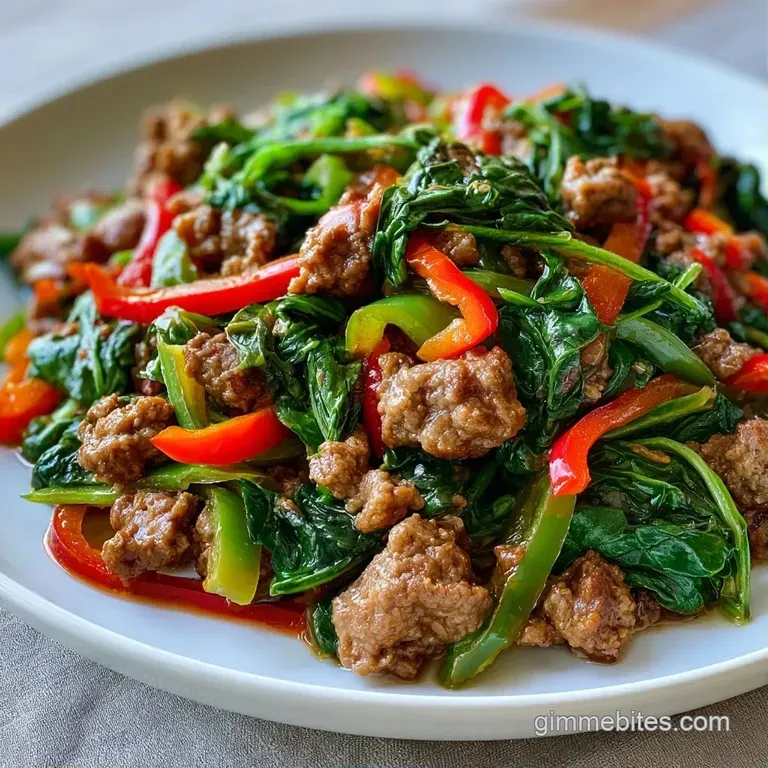
Right then, let's get into the actual cooking. Follow these steps and pay attention to the cues.
- Heat the avocado oil in your skillet over medium high heat. Wait until the oil shimmers, which tells you it's hot enough to sear.
- Add the ground beef in a flat layer. Do not stir for 3-4 minutes until a mahogany colored crust forms on the bottom. Then, break the meat into chunks and cook until browned. Drain any excess liquid if the pan looks too greasy.
- Lower the heat to medium. Push the beef to the sides of the pan. Add the diced onion and bell peppers to the center. Sauté for 5 minutes until onions are translucent and peppers have softened.
- Stir in the minced garlic. Cook for 60 seconds until you smell that fragrant, nutty aroma.
- Add the smoked paprika, cumin, garlic powder, salt, and pepper. Stir everything together for a minute until the beef and vegetables are evenly coated in spices.
- Pour in the beef bone broth. Scrape the bottom of the pan with your spatula to lift all those browned bits (the fond) into the sauce.
- Stir in the frozen corn and baby spinach. Fold them in for 2-3 minutes until the spinach has wilted and the corn is heated through.
Chef's Note: If you want a bit more depth, try adding a teaspoon of Worcestershire sauce along with the broth. It doesn't change the dish entirely, but it adds a subtle, salty punch that works well with the beef.
Fixing Common Issues
Even with a simple Beef Skillet, things can go sideways. Usually, it's a temperature or timing issue.
Grey Beef Issues
If your meat looks grey instead of brown, you likely crowded the pan or stirred too soon. When you add too much meat or move it around, the temperature drops and the beef releases moisture. Instead of searing, the meat boils in its own juices. To fix this, cook the beef in two smaller batches if your pan is small.
Soggy Veggie Syndrome
Vegetables can turn into mush if they're cooked too long or added too early. The trick is to add them after the beef is mostly done. If you find your peppers are too soft, reduce the sauté time to 3 minutes and add them just before the spices.
Over Salted Beef
It's easy to overdo the salt, especially with bone broth which is already salty. If the dish tastes too salty, add a squeeze of fresh lime juice or a tablespoon of apple cider vinegar. The acid cuts through the salt and brightens the overall flavor.
| Problem | Root Cause | Solution |
|---|---|---|
| Meat is grey | Pan too crowded / stir too early | Cook in batches / leave meat alone |
| Mushy veggies | Overcooked / added too early | Reduce sauté time / add late |
| Too salty | Excess broth salt / too much shaker salt | Add lime juice or vinegar |
Dietary Adaptations
This Beef Skillet is naturally quite flexible. If you're watching your carbs, you can easily modify it without losing the heartiness.
For a low carb high protein beef skillet, simply omit the corn. The corn adds sweetness, but you can replace it with diced cauliflower or extra bell peppers to keep the volume high.
If you want to lean into the "Healthy Ground Beef Dinner Recipes" vibe, use 95% lean beef or ground turkey, though you may need an extra teaspoon of oil to get a good sear.
If you're looking for more variations, you can swap the paprika and cumin for taco seasoning to make a high protein beef taco skillet. I've found that using a few different spice blends can make this a different meal every night of the week. For those who prefer a lighter version, my healthy ground beef skillet is a great choice for meal prep.
High Protein Beef and Rice Skillet
To turn this into a fuller meal, serve it over a bed of brown rice or quinoa. The broth from the pan soaks into the grains, making the whole dish feel more cohesive.
High Protein Beef and Sweet Potato Skillet
Instead of corn, toss in some small, pre roasted cubes of sweet potato. The sweetness of the potato pairs perfectly with the smoked paprika.
Adjusting the Portion Size
Scaling a Beef Skillet is straightforward, but you have to be careful with the pan size and seasonings.
Scaling Down (Half Batch): If you're cooking for two, use a smaller 8 inch or 10 inch skillet. Reduce the cooking time for the vegetables by about 20% because they'll heat through faster in a smaller volume. For the egg or binder (if you're adding one), beat it in a bowl first and then use half.
Scaling Up (Double or Triple Batch): Don't try to double the recipe in one pan unless you have a massive commercial skillet. If you crowd the pan, you'll get that grey, boiled meat we talked about. Work in batches.
Brown the beef in two separate rounds, then combine everything in a large pot for the final integration.
One important note on spices: don't just double the salt and spices. Start at 1.5x the original amount, taste it at the end, and add more if needed. Liquids usually reduce a bit more in larger batches, so you might need a splash more broth to keep it from drying out.
Common Beliefs Debunked
There are a few things people always say about cooking beef that aren't actually true.
First, the idea that searing meat "seals in the juices" is a myth. Moisture loss happens regardless of whether you sear the meat or not. The reason we sear is for the flavor. The brown crust creates a complex taste that you just can't get from boiling or steaming.
Second, some think that lean beef is tasteless. While fat does carry flavor, the "taste" of a Beef Skillet comes from the seasoning and the sear. By using smoked paprika and cumin, you're adding the depth that the lean meat might lack.
Finally, don't believe the claim that you need to "rest" ground beef. Resting is for steaks and roasts where the muscle fibers need to relax. With ground beef, you can serve it the second it's done.
Storage Guidelines
Once you've finished your Beef Skillet, you'll likely have leftovers. Store them in an airtight container in the fridge for up to 4 days.
For the freezer, this dish holds up surprisingly well. Let it cool completely before putting it in a freezer safe bag. It'll stay good for about 3 months. When you're ready to eat it, thaw it in the fridge overnight and reheat it in a pan over medium heat with a tablespoon of water or broth to bring back the moisture.
To avoid waste, use any leftover onion or pepper scraps to start a vegetable stock. If you have a bit of beef and veg left over that's not enough for a meal, toss it into an omelet the next morning. It's a great way to get an early dose of protein.
Best Ways to Serve
The beauty of this Beef Skillet is that it can be the star of the show or a component of a bigger meal.
For a quick lunch, eat it as is in a bowl. The spinach and corn provide enough veg that you don't really need a side. But if you're serving this for a family dinner, I recommend pairing it with something that can soak up the sauce. This pairs great with Beef Skillet with Rice recipe for a fuller meal that feels more like a traditional dinner.
You can also serve it over cauliflower rice for a low carb option, or even inside warm corn tortillas for a taco style feast. To add a bit of brightness, top the finished dish with a dollop of Greek yogurt, some sliced avocado, or a sprinkle of fresh cilantro.
If you want to go the extra mile, serve it with a side of steamed broccoli or a simple green salad. The richness of the beef is balanced out by the crispness of fresh greens, making the whole meal feel a bit more balanced. Trust me, a squeeze of fresh lime right before serving changes the whole profile.
Recipe FAQs
Is this ground beef skillet recipe a healthy option for weight loss?
Yes, because it uses 93% lean beef and nutrient dense vegetables. At 285 calories per serving, it provides high protein and volume to keep you full without excessive fats.
Why is it important to let the beef sear without stirring for 3-4 minutes?
This creates a mahogany colored crust. Searing the meat undisturbed develops a deep, savory flavor through the Maillard reaction that constant stirring would prevent.
How to prevent the baby spinach from becoming mushy?
Fold it in for only 2-3 minutes at the very end. Stir just until the leaves have wilted to maintain their bright color and nutritional value.
How long does this beef skillet last in the refrigerator?
Store it in an airtight container for up to 4 days. For longer storage, you can freeze the dish for 3 months and thaw it in the fridge overnight.
Is it true that you must stir ground beef constantly to brown it evenly?
No, this is a common misconception. Adding the beef in a flat layer and leaving it untouched for several minutes produces a superior crust and better flavor.
What is the purpose of adding beef bone broth to the skillet?
It deglazes the pan to capture the fond. Scraping up the browned bits from the bottom of the pan incorporates concentrated savory flavors back into the meat and vegetables.
Can I use this recipe for high protein meal prep?
Yes, it reheats exceptionally well in a pan over medium heat. If you are planning your week, our protein packed dinner is another excellent choice for batch cooking.
High Protein Beef Skillet