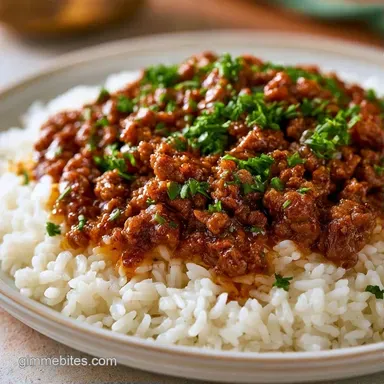
Quick Korean Beef Rice Bowl
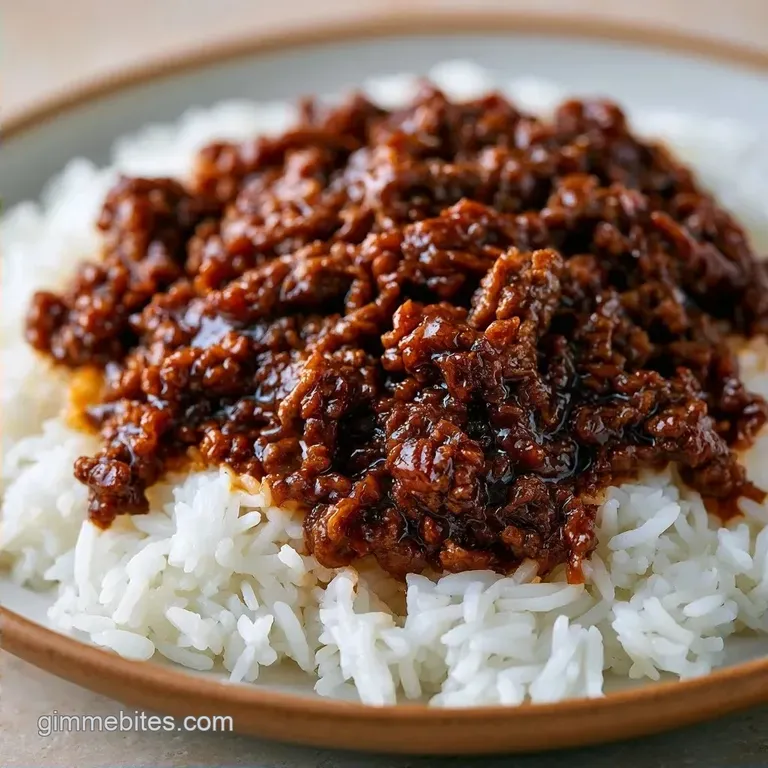
- Time: 10 min active + 15 min cooking
- Flavor/Texture Hook: Sweet, salty glaze with crisp, vinegary cucumbers
- Perfect for: Weeknight dinner, family meals, or meal prep
That smell of toasted sesame oil hitting a hot pan always takes me back to the first time I tried to make a quick dinner for my kids on a rainy Monday. I remember staring at a pound of ground beef and wanting something that felt like a treat but took almost no effort.
I just wanted something hearty that would actually stick to their ribs.
This meal is exactly that. It's a Korean Beef Rice Bowl that tastes like you spent way more time on it than you actually did. You get the deep, savory notes of soy and ginger, balanced by the bright snap of pickled cucumbers.
Expect a meal that's sweet, salty, and slightly spicy. It's the kind of dinner where everyone actually cleans their plate, and you're not left with a mountain of pots to scrub.
Korean Beef Rice Bowl
Why the Flavors Hit
Sugar Glaze: The brown sugar melts and binds with the soy sauce to create a thick coating. This ensures every bite of beef is coated rather than sitting in a puddle of liquid.
Contrast: The chilled, pickled cucumbers cut right through the richness of the beef. It keeps the dish from feeling too heavy.
Right then, let's look at how the fresh stuff compares to the shortcuts. If you're in a rush, some swaps work, but they change the vibe.
| Item | Fresh Version | Shortcut Version | Impact |
|---|---|---|---|
| Ginger | Freshly grated | Ground powder | Less zing, more woody |
| Garlic | Fresh cloves | Garlic powder | Lacks the aromatic punch |
| Rice | Steamed Jasmine | Microwave pouch | Slightly less fluffy |
And just a heads up, according to Serious Eats, the key to that deep brown color on your beef is not overcrowding the pan. If you dump too much meat in at once, it steams instead of searing.
The Ingredient Breakdown
The balance here is all about salt and acid. The soy provides the salt, the vinegar provides the acid, and the sugar ties them together.
| Ingredient | What It Does | Best Swap |
|---|---|---|
| Soy Sauce | Adds salt and umami | Coconut aminos (slightly sweeter) |
| Brown Sugar | Creates the glaze | Honey or maple syrup |
| Sesame Oil | Adds nutty aroma | Toasted walnut oil |
Shopping List Guide
Grab these from your local store. I usually get the 80/20 lean ground beef because that bit of extra fat helps the sauce emulsify better. Honestly, don't even bother with super lean beef here or the meat can get dry.
- 1 lb lean ground beef Why this? Quick cooking and absorbs sauce well
- 3 cloves garlic, minced
- 1 tbsp fresh ginger, grated Why this? Adds a fresh, peppery bite
- 1/4 cup soy sauce
- 3 tbsp brown sugar, packed
- 1 tbsp toasted sesame oil
- 1 tsp rice vinegar
- 1/2 tsp crushed red pepper flakes
- 3 cups cooked jasmine rice
- 2 cups shredded carrots
- 1 large cucumber, thinly sliced
- 2 tbsp rice vinegar (for the cucumbers)
- 1 tsp sugar (for the cucumbers)
- 2 stalks green onions, thinly sliced
- 1 tbsp toasted sesame seeds
If you're looking for a lighter version, you can swap the jasmine rice for cauliflower rice, though you'll miss that classic sticky texture.
Basic Tools Required
You don't need a fancy kitchen for this. A single large skillet and a couple of bowls are all it takes. I prefer a stainless steel or cast iron pan because they hold heat better, which helps the beef brown faster.
- 12 inch skillet
- Spatula or wooden spoon
- Small mixing bowl (for the pickles)
- Grater (for the ginger)
- Measuring spoons and cups
The Cooking Steps
Let's crack on with the actual cooking. The trick is timing the rice so it's hot right when the beef finishes.
The Quick Pickle Prep
- Toss the sliced cucumbers with 2 tbsp rice vinegar and 1 tsp sugar in a bowl. Note: This lets the flavors soak in while you cook the meat.
- Set them aside in the fridge to macerate.
Searing the Protein
- Heat your skillet over medium high heat.
- Add the ground beef and break it apart with your spatula.
- Cook 5-7 mins until no longer pink and a deep brown crust has developed.
- Drain excess fat if the pan looks too greasy.
Infusing the Aromatics
- Lower the heat to medium.
- Stir in the minced garlic and grated ginger.
- Sauté 60 90 seconds until it smells fragrant. Note: Don't let the garlic turn dark brown or it'll taste bitter.
The Glazing Reduction
- Pour in the soy sauce, brown sugar, sesame oil, rice vinegar, and red pepper flakes.
- Stir constantly 2–3 mins until the sauce bubbles and glazes the beef.
Final Bowl Assembly
- Spoon cooked rice into bowls.
- Top with the glazed beef, shredded carrots, and chilled pickled cucumbers.
- Garnish with sesame seeds and sliced green onions.
Avoiding Common Pitfalls
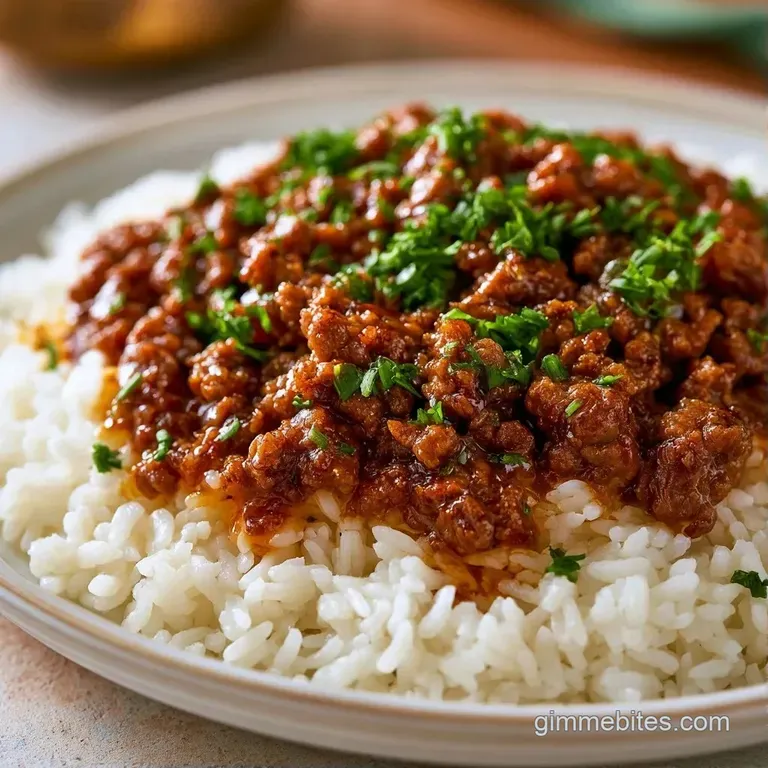
Even simple recipes can go sideways. I've definitely had days where my beef looked grey or my sauce was more like a soup than a glaze.
Why Beef Stays Grey
If you put too much meat in a cold pan, the temperature drops. The meat releases water and boils instead of searing. This leaves you with grey meat and no flavor. Heat the pan first and cook in batches if you're doubling the recipe.
Fixing Watery Sauce
This usually happens if you don't let the sauce reduce enough. If it looks too thin, keep it on the heat for another 2 minutes. The sugar needs to bubble and thicken to coat the meat properly.
Preventing Burnt Garlic
Garlic burns in seconds over high heat. Always lower the temperature before adding your aromatics.
| Problem | Root Cause | Solution |
|---|---|---|
| Sauce is too salty | Too much soy/too little sugar | Add a pinch more brown sugar or a squeeze of lime |
| Beef is tough | Overcooked the meat | Pull from heat as soon as the glaze thickens |
| Cucumbers are bland | Not enough soaking time | Let them sit for at least 10 mins in vinegar |
Customizing Your Bowl
The beauty of a Korean Beef Rice Bowl is that it's very forgiving. You can lean into the heat or keep it mild for the kids.
- For a Spicy Kick: Add 1 tbsp of Gochujang (Korean chili paste) into the sauce. It adds a fermented depth that's brilliant.
- For a Healthy Version: Swap the beef for ground turkey or chicken. Since these are leaner, you might need an extra teaspoon of sesame oil to keep it moist.
- For a Protein Swap: If you're not feeling ground beef, you can use thinly sliced flank steak. Just sear it quickly on high heat before adding the sauce.
If you want something even faster, my Beef in 15 Minutes recipe is a great alternative for those truly chaotic nights.
Adjusting the Portion Size
If you're cooking for just yourself or a crowd, don't just multiply everything blindly.
Scaling Down (1/2 batch): Use a smaller skillet to prevent the sauce from evaporating too quickly. Reduce the cooking time for the glaze by about 1 minute.
Scaling Up (2x batch): Work in batches for the beef. If you crowd the pan, you'll lose that crust. I only increase the salt and spices to 1.5x the original amount, as they can become overwhelming in large volumes. Reduce the total liquid by about 10% to ensure the glaze still thickens.
Kitchen Myths Debunked
There's a lot of bad advice out there. Let's clear a few things up.
Searing meat does not "seal in juices." That's a total myth. Moisture loss happens regardless of how you start the cook. The brown crust is about flavor, not about locking in liquid.
Using "low-fat" beef doesn't make the dish healthier in a meaningful way here. Most of the flavor comes from the fat reacting with the sugar and soy. If you use too lean meat, you just end up with a dry bowl.
Storage and Reheating
This Korean Beef Rice Bowl is great for meal prep. The flavors actually get better after a day in the fridge.
In the Fridge: Store the beef and rice together in airtight containers for up to 4 days. Keep the pickled cucumbers and fresh carrots in a separate container so they stay crisp.
In the Freezer: The beef and rice freeze well for up to 2 months. Avoid freezing the fresh vegetables.
The Best Reheating Method: Microwave the beef and rice with a teaspoon of water on top. This creates steam that prevents the rice from getting hard. Heat for 2 minutes, then top with your cold veggies.
Zero Waste Tip: Don't throw away the ends of your green onions. Chop them up and freeze them in a small bag to use as a starter for your next stir fry.
Pairing Suggestions
To make this a complete meal, you need something green and fresh. A side of steamed bok choy or some kimchi works brilliantly.
If you're looking for other hearty ideas, you might like this Bowl in 30 Minutes recipe for a different flavor profile.
For a full family spread, I suggest: - Sliced pears or apples (the sweetness pairs well with the soy) - Steamed broccoli with a squeeze of lemon - A simple miso soup to start the meal
This Korean Beef Rice Bowl is the kind of reliable dinner that makes you feel like you've got your life together, even when the house is a mess. Give it a shot tonight your family will love it.
High in Sodium
980 mg 980 mg of sodium per serving (43% 43% of daily value)
The American Heart Association recommends a limit of 2,300 mg of sodium per day to maintain heart health and reduce the risk of hypertension.
Tips to Reduce Sodium
-
Swap Soy Sauce-30%
Replace the regular soy sauce with low-sodium soy sauce or coconut aminos to significantly decrease the primary salt source.
-
Dilute the Sauce-15%
Mix the soy sauce with water or additional rice vinegar to maintain the liquid volume while reducing the total salt used.
-
Increase Vegetable Volume-10%
Add extra shredded carrots, cucumbers, or fresh greens to the bowls to lower the sodium concentration per serving.
-
Enhance Aromatics
Increase the amount of fresh garlic, ginger, and red pepper flakes to add punchy flavor without adding any sodium.
Recipe FAQs
What is a quick dinner I can make with ground beef?
Try a Korean beef rice bowl. It takes only 25 minutes from start to finish and balances sweet, salty, and spicy flavors.
What should I make for dinner with hamburger meat that isn't a burger?
A Korean style glazed beef bowl is an excellent alternative. If you enjoy this fast paced skillet method, the same principle works in our beef skillet.
What are some different, but good recipes for ground beef?
Korean beef bowls offer a fresh departure from tacos or meatloaf. This recipe uses a sesame soy glaze and pickled cucumbers for a unique flavor profile.
How to make a Korean beef rice bowl?
Brown ground beef over medium high heat until a deep crust forms. Sauté garlic and ginger, then stir in soy sauce, brown sugar, sesame oil, rice vinegar, and red pepper flakes until the sauce glazes the meat.
Does this Korean beef rice bowl require gochujang?
No, this version does not use gochujang. The heat comes from crushed red pepper flakes, making it easier to prepare with common pantry staples.
Is this a Japanese beef rice bowl?
No, this is a Korean inspired dish. While both cuisines use rice and soy, the specific combination of ginger, sesame oil, and red pepper flakes is characteristic of Korean flavors.
How to reheat leftover Korean beef and rice?
Microwave with a teaspoon of water on top. This creates steam that prevents the rice from getting hard during the 2-minute heating process.
Korean Beef Rice Bowl